If you are selling a home on the Buffalo waterfront, you are not just putting a property on the market. You are selling a lifestyle, a view, and in many cases a scarce set of features that buyers cannot easily find elsewhere in Buffalo. That creates real opportunity, but it also means pricing, timing, and presentation need to be more precise than they would for a typical city listing. In this guide, you will learn what drives value on the waterfront, when to list, what buyers focus on, and how to position your home for a stronger result. Let’s dive in.
Why Buffalo waterfront homes stand apart
The Buffalo Niagara market has remained relatively affordable overall, with the Buffalo Niagara Association of REALTORS reporting a median sales price of $285,000, 18 days on market, and 2.0 months of supply in July 2025. But the waterfront operates differently from the broader market.
In Waterfront Village, pricing has been much higher and inventory much tighter. Redfin’s Waterfront Village housing market data showed a February 2026 median sale price of $632,000 and a 101.5% sale-to-list ratio, while BNAR’s July 2025 market report provides the broader regional context. Realtor.com also reported only 13 active listings in December 2025, which shows how limited supply can be in this niche.
That small sample size matters. Waterfront prices can swing more sharply from month to month, so a citywide average rarely tells the full story. If you want to sell well, your home needs to be valued against the right waterfront competition, not against Buffalo as a whole.
What drives waterfront value
Not every waterfront property offers the same appeal. On Buffalo’s waterfront, buyers often pay more for a specific mix of views, access, convenience, and building or property amenities.
Water views and outdoor living
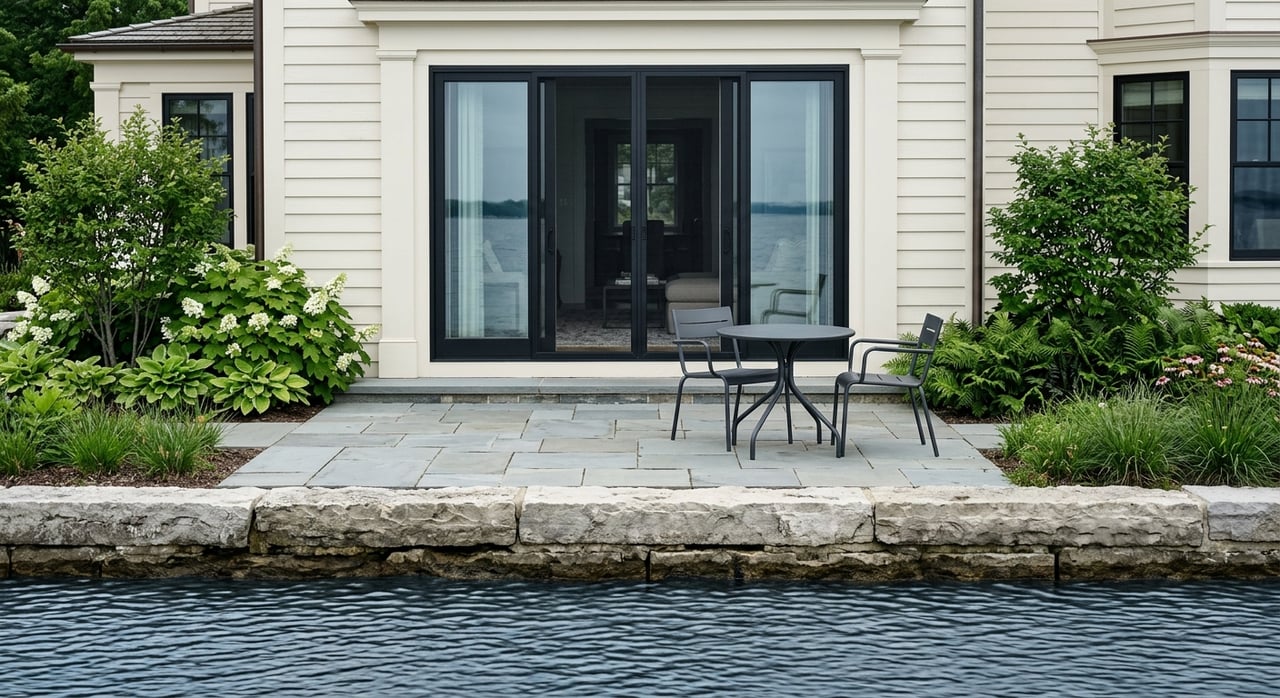
For many buyers, the first question is simple: what do you see from the home? Open lake, harbor, or city-water views can shape both demand and price. Outdoor spaces such as wraparound decks, balconies, terraces, and patios often strengthen that appeal because they let buyers enjoy the setting in a tangible way.
This is why presentation matters so much on the waterfront. Buffalo Waterfront’s destination guide highlights sunset views, boardwalks, and open-air gathering spaces, which reinforces how much the area is marketed around experience and atmosphere.
Docking and boat access
Actual water access is a major differentiator. A private dock, boat slip, or launch can make your property stand out because nearby docking is limited in some areas.
For example, Canalside boating information notes that docking is limited, space is not guaranteed, and rafting may be required. That scarcity can make a deeded slip, direct dock access, or marina-adjacent location especially marketable.
Walkability, transit, and downtown access
Buffalo waterfront buyers are not all boaters. Some are drawn to the neighborhood because they want to live near downtown with strong access to entertainment, trails, transit, and year-round activity.
Redfin describes Waterfront Village as very walkable, good for transit, and very bikeable. That broadens the buyer pool and gives you more than one story to tell when marketing your home.
Nearby attractions and amenities
The waterfront is a cluster of destinations, not one single amenity. That is important when you are positioning your home.
Buyers may value proximity to:
- Canalside, known for concerts, festivals, skating, and family programming
- Outer Harbor, with trails, green space, rentals, and water views
- Buffalo Harbor State Park, which includes a 1,100-slip marina, boat launch, pier, boardwalk, and boating amenities
- Public parking and transit access, including Erie Canal Harbor Station
When your home is close to one or more of these features, that convenience should be part of your pricing and marketing strategy.
Best time to list a waterfront home
Timing matters in any market, but it matters even more when your home’s appeal is tied to views, outdoor living, and seasonal activity.
According to NAR’s seasonal housing market guidance, the busiest buying season typically runs from April through June, stays active through July to September, and slows from December through February. NAR also notes that prices often post their strongest gains in summer.
For Buffalo waterfront sellers, that pattern fits the local lifestyle. The Queen City Bike Ferry runs from Memorial Day to Labor Day, the waterfront shuttle operates during spring, summer, and fall windows, and many outdoor waterfront experiences are easiest to appreciate in warmer months.
When spring through early fall works best
If your home’s strongest features are:
- sunset views
- private or semi-private outdoor space
- a balcony, terrace, or deck
- marina or boating access
- walkable access to waterfront events
then late spring through early fall is often the most natural listing window. Buyers can fully experience what makes the location special.
When winter can still work
A winter listing is not automatically a bad idea. It can still make sense if your home shows beautifully indoors and offers features that feel valuable year-round, such as:
- large windows with water views
- a strong interior layout
- easy building access and parking
- low-maintenance living
- proximity to winter programming at Canalside
Buffalo Waterfront markets the district as a four-season destination, so your strategy should reflect the property itself, not just the calendar.
How to prepare your home for sale
Waterfront buyers tend to compare details closely. They are not only asking whether a home is attractive. They are asking whether it delivers the experience they expect at the price point.
Lead with the view
Your photography should showcase the water first, but not in a way that hides the rest of the property. Buyers want to understand the view corridor, the privacy level, the orientation, and how the indoor and outdoor spaces connect.
In practical terms, that means your listing should clearly show:
- the main water view
- sightlines from primary living spaces
- balconies, terraces, or decks
- whether outdoor space is private or shared
- the relationship between the home and parking, entry, and common areas
Highlight functional features
Lifestyle sells, but functionality closes the gap between interest and action. Buyers often compare details like elevator access, parking, slip access, storage, and ease of entry, especially in higher-end or low-maintenance waterfront properties.
Those details can be just as important as finishes or decor. A well-marketed waterfront listing should help buyers quickly understand not only what feels special, but also what makes daily life easier.
Use staging to support the setting
The goal of staging is not to distract from the waterfront. It is to frame it. Clean lines, uncluttered surfaces, and furniture placement that protects sightlines can make your home feel calmer, brighter, and more connected to the water.
For many sellers, this is where experienced pre-sale guidance pays off. Thoughtful staging and small preparation decisions can help your home feel more polished and more valuable without overwhelming the space.
Pricing requires a niche strategy
One of the biggest mistakes waterfront sellers make is assuming that all waterfront homes should command the same premium. They should not. Buyers are usually paying for a specific set of features, and those features are not evenly distributed across the market.
A tailored valuation should account for:
- direct water views versus partial views
- private dock, slip, or launch access
- proximity to Canalside, Outer Harbor, or marina amenities
- building or HOA features, if applicable
- transit and parking convenience
- privacy and outdoor space
- flood exposure and insurance considerations
Because the spread between the broader Buffalo market and the waterfront submarket is so wide, careful segmentation matters. The right pricing strategy helps you attract serious buyers without leaving value on the table.
Be ready for flood and insurance questions
Waterfront buyers often move quickly to risk-related questions. If you are prepared with clear information, you can build confidence early in the process.
Redfin’s Waterfront Village market page includes First Street data that flags the area as having a moderate flood risk, with 7% of properties likely to be severely affected by flooding over the next 30 years. That does not mean every property is the same, but it does mean buyers may ask detailed questions.
You should be ready to discuss:
- the property’s exact location and parcel details
- whether the home sits in a FEMA flood zone
- current or past flood insurance information, if applicable
- HOA or condo documents related to insurance or maintenance
- any relevant building or site details that affect buyer understanding
The cleaner and more organized this information is, the easier it is for buyers to evaluate the property with confidence.
Why local waterfront expertise matters
Selling on the Buffalo waterfront is not a plug-and-play process. It takes neighborhood-level pricing judgment, strong presentation, and the ability to explain the property’s value in a way that fits this very specific buyer pool.
That is where local experience can make a real difference. A waterfront home often needs a more customized plan around timing, staging, marketing, and negotiation than a typical listing in the broader market.
If you are thinking about selling, the best first step is a pricing and positioning strategy built around your exact property, your timeline, and the features buyers value most. When you are ready, Susan Lenahan can help you create a smart plan for the Buffalo waterfront market.
FAQs
What makes selling a home on the Buffalo waterfront different from selling elsewhere in Buffalo?
- Waterfront homes are part of a smaller, premium niche market where pricing is driven by views, water access, amenities, transit convenience, and property-specific features rather than citywide averages.
When is the best time to sell a Buffalo waterfront home?
- Late spring through early fall is often the strongest window because buyers can best experience views, outdoor spaces, boating access, and nearby waterfront activity.
How should you price a home on the Buffalo waterfront?
- Your home should be priced using comparable waterfront properties and adjusted for features like view quality, dock or slip access, outdoor space, building amenities, parking, and flood exposure.
What features help a Buffalo waterfront home sell for more?
- Strong water views, private or well-positioned outdoor space, dock or slip access, marina proximity, parking convenience, and a polished presentation can all support stronger buyer interest.
Do buyers ask about flood risk when buying on the Buffalo waterfront?
- Yes. Buyers may review flood maps, insurance details, and HOA or condo documents, so it helps to have organized, property-specific information ready before listing.
Can you sell a Buffalo waterfront home in winter?
- Yes. Winter can still work if the home shows well indoors, offers strong year-round comfort and views, and benefits from nearby four-season waterfront destinations like Canalside.