If your Starin Central home draws more than one offer, it can feel exciting and overwhelming at the same time. You want the best price, but you also want a buyer who can actually get to the closing table on your timeline. In a neighborhood that can move faster than the broader 14214 market, knowing how to compare offers can protect both your bottom line and your peace of mind. Let’s dive in.
Why multiple offers happen in Starin Central
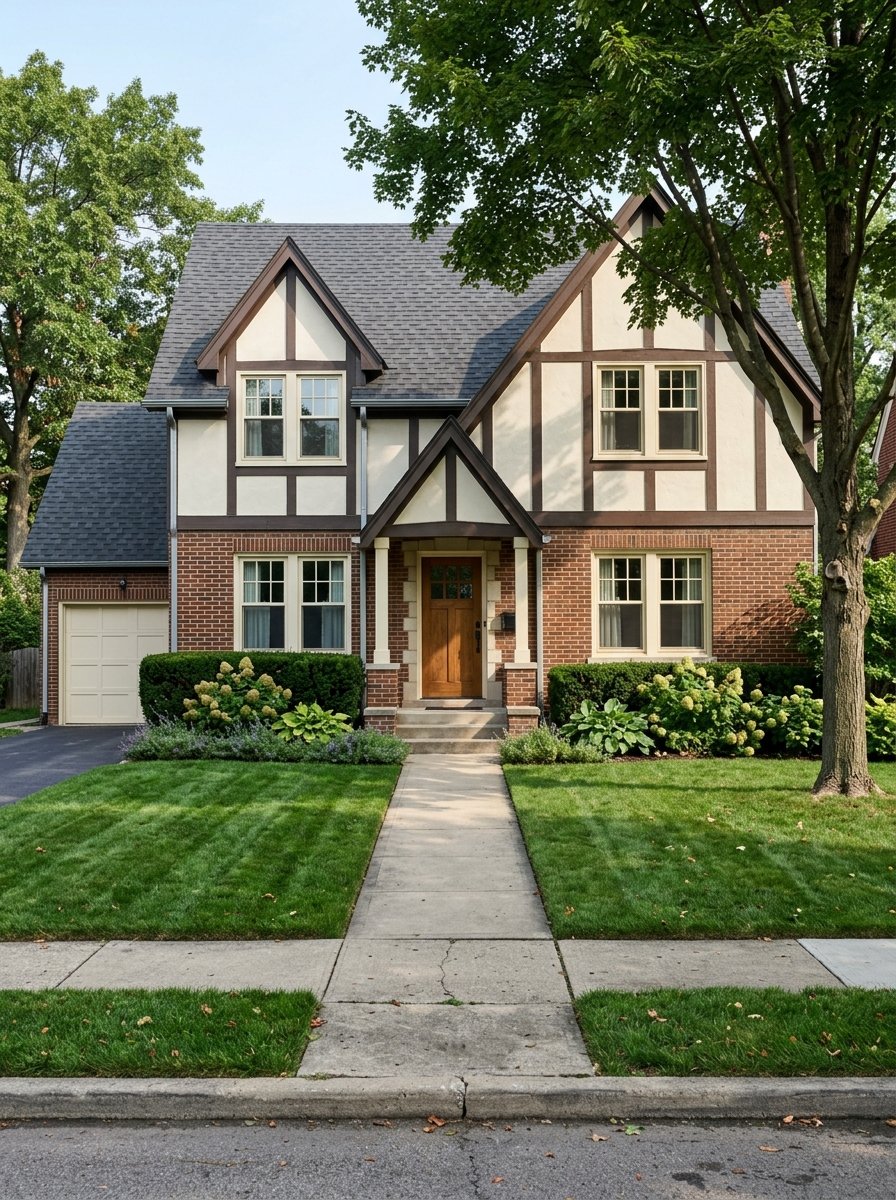
Starin Central sits in North Buffalo, about five miles from downtown, with access to Delaware Park, the Buffalo Zoo, the University at Buffalo, and Main Street. The area is known for tree-lined streets, walkability, bike access, and a housing mix made up largely of single-family homes. That neighborhood identity can create strong buyer demand when a well-prepared home comes to market.
The broader 14214 ZIP code looked more balanced in March 2026, with 39 homes for sale, a median listing price of $199,450, a 99% sale-to-list ratio, and 51 median days on market. Buffalo overall was also described as balanced, with about 1,600 homes for sale, a 100% sale-to-list ratio, and 30 median days on market. But Starin Central itself has been described as very competitive, with homes selling in about 12 days, many receiving multiple offers, and some selling around 5% above list price.
That difference matters. If you are selling in Starin Central, you should not rely only on citywide or ZIP-level averages when evaluating your strategy. This is a micro-market, and micro-markets often reward careful pricing, strong presentation, and smart negotiation.
Look beyond the highest price
A multiple-offer situation is not just a price contest. The strongest offer is often the one that gives you the best mix of price, certainty, and timing. That is why experienced sellers compare the full package, not just the headline number.
When you review offers, focus on how likely each buyer is to close with minimal surprises. A slightly lower offer may be stronger if the financing is more solid, the contingency periods are shorter, or the buyer can match your ideal closing date. In real life, the cleanest path to closing often wins.
Terms to compare carefully
Here are the details that deserve your attention:
- Offer price: Important, but not the whole story.
- Proof of funds or pre-approval: Shows whether the buyer has the financial ability to move forward.
- Earnest money deposit: A larger deposit can show stronger commitment.
- Financing type: Cash can reduce mortgage-related risk.
- Contingencies: Inspection, financing, appraisal, or home-sale contingencies can affect certainty.
- Closing timeline: A buyer who can meet your schedule may be more attractive.
- Requested concessions: Repair credits or closing-cost help can reduce your net proceeds.
- Need to sell another home: This can add risk and delay.
If two offers are close, these details often become the deciding factor. That is where neighborhood-level market knowledge and careful negotiation can make a meaningful difference.
Why earnest money matters
Earnest money is a good-faith deposit, and in a competitive setting it can help an offer stand out. For you as a seller, it can signal that a buyer is serious about moving forward. It is not a guarantee of closing, but it does show commitment.
In some cases, a larger earnest money deposit, a faster release schedule, or shorter contingency periods can make an offer more appealing. If you are sorting through several offers with similar pricing, earnest money can help you gauge which buyer is most confident and prepared. That can be especially useful in a fast-moving Starin Central sale.
Contingencies can change the whole picture
A contingency is a condition that must be met before closing. These clauses are common, and they can protect the buyer, but they also affect how secure the deal feels for you. In a multiple-offer situation, fewer or tighter contingencies may make an offer more attractive.
Common contingencies include inspection, financing, appraisal, title, and the buyer’s need to sell or close on another home. Each one can create another point where the transaction may stall, be renegotiated, or fall apart. That does not mean every contingent offer is weak, but it does mean you should understand the risk profile before accepting one.
Inspection and appraisal issues
Inspection and appraisal are two of the biggest pressure points in a competitive market. A home inspection should happen as soon as possible after the buyer chooses the property, and it serves a different purpose than the appraisal. If the buyer has an inspection contingency, they may be able to cancel without penalty if they are not satisfied.
A low appraisal can create a different problem. If the property appraises below the contract price, the deal may need to be renegotiated unless the buyer can cover the gap. That is one reason a high offer is not always the best offer, especially if it seems unlikely to appraise or if the buyer has limited flexibility.
Should you ask for highest and best?
In Starin Central, where multiple offers are a realistic possibility, a highest-and-best round can be a smart way to create structure. It gives all serious buyers one clear chance to improve their terms. That can help you compare offers more fairly and avoid getting locked into a back-and-forth with one buyer too soon.
There is also a practical reason to be careful with counters. When a seller counters an offer, the original offer is voided. If you want to preserve flexibility across several strong offers, asking for highest and best may be better than negotiating with one party before reviewing the full field.
This approach can also reduce confusion and keep the process moving. In a neighborhood where homes can sell quickly, clarity matters.
How to handle escalation clauses
An escalation clause allows a buyer to increase an original offer if a higher competing offer exists, up to a stated maximum. These clauses can look attractive on paper, but they are not always the best fit for every seller or every situation. In New York, sellers are not required to accept the highest offer, and they can decide not to use escalation clauses at all.
That gives you room to choose the process that works best for your goals. Sometimes a clean highest-and-best round is simpler than sorting through competing escalation terms. The right move depends on the strength of the offers, the level of competition, and how much certainty you want before making a decision.
Do not overlook backup offers
Even after you accept an offer, the job is not always done. Deals can fall apart over financing, inspection findings, appraisal issues, or missed deadlines. That is why backup offers can be so valuable.
If your first contract includes a buyer home-sale or home-close contingency, you may still be able to continue showing the home. In some cases, a kick-out clause can help protect your position by allowing you to move to a stronger backup buyer if the first buyer cannot perform. Keeping backup bidders engaged can give you leverage and reduce stress if the first deal starts to wobble.
New York sellers need to prepare disclosures early
In New York, the Property Condition Disclosure Act requires a seller of residential real property to provide the disclosure statement, or a copy, to the buyer or the buyer’s agent before the buyer signs a binding contract of sale. The form is not a warranty, and it does not replace inspections or tests. Still, it is a required part of the process and should be handled carefully.
If you later learn that a disclosure was materially inaccurate before transfer or occupancy, a revised statement is required. In a multiple-offer setting, delays can cost momentum. Getting your paperwork in order early helps your sale move faster and reduces the risk of avoidable problems once offers start coming in.
A smart seller strategy for Starin Central
If you are preparing to sell in Starin Central, the goal is not simply to collect offers. The goal is to create the kind of listing that attracts serious buyers and gives you strong choices. That starts with thoughtful pricing, polished presentation, and a plan for how offers will be reviewed.
It also helps to know what matters most to you before the first offer arrives. Do you want the highest possible price, the fastest closing, fewer contingencies, or more certainty? When your priorities are clear, it becomes much easier to choose the right buyer.
Susan Lenahan’s approach is built for exactly this kind of decision-making. With decades of Buffalo neighborhood experience, full-service listing support, and personalized negotiation, she helps sellers weigh the details that affect both price and closing strength. If you are considering a sale in Starin Central, start with a local strategy and a realistic read on how your home may perform. Connect with Susan Lenahan for a free home valuation and neighborhood strategy.
FAQs
How competitive is the Starin Central housing market for sellers?
- Starin Central has been described as more competitive than the broader 14214 ZIP code, with homes selling in about 12 days, many receiving multiple offers, and some selling above list price.
What should Starin Central sellers compare in multiple offers?
- You should compare price, proof of funds or pre-approval, earnest money, contingencies, concessions, closing timeline, financing strength, and whether the buyer needs to sell another home.
Why is the highest offer not always the best offer for a Starin Central home?
- A higher price can be less attractive if the buyer has weak financing, long contingency periods, or requests that reduce your net proceeds or increase the chance of the deal falling apart.
What is earnest money in a Starin Central home sale?
- Earnest money is a good-faith deposit that shows buyer commitment, and a stronger deposit can help an offer stand out in a competitive situation.
Should a Starin Central seller accept an offer with contingencies?
- Not always, because contingencies like inspection, financing, appraisal, or a buyer home sale can add risk, delay, or lead to renegotiation.
Can a Starin Central seller ask for highest and best offers?
- Yes, asking for highest and best can help you compare buyers more clearly and avoid voiding an original offer by countering too early.
Are Starin Central sellers required to take the highest offer?
- No, New York sellers are not required to accept the highest offer and can choose the offer that best fits their goals and risk tolerance.
What disclosure is required when selling a home in Starin Central, NY?
- New York sellers must provide the Property Condition Disclosure Statement, or a copy, to the buyer or buyer’s agent before the buyer signs a binding contract of sale.