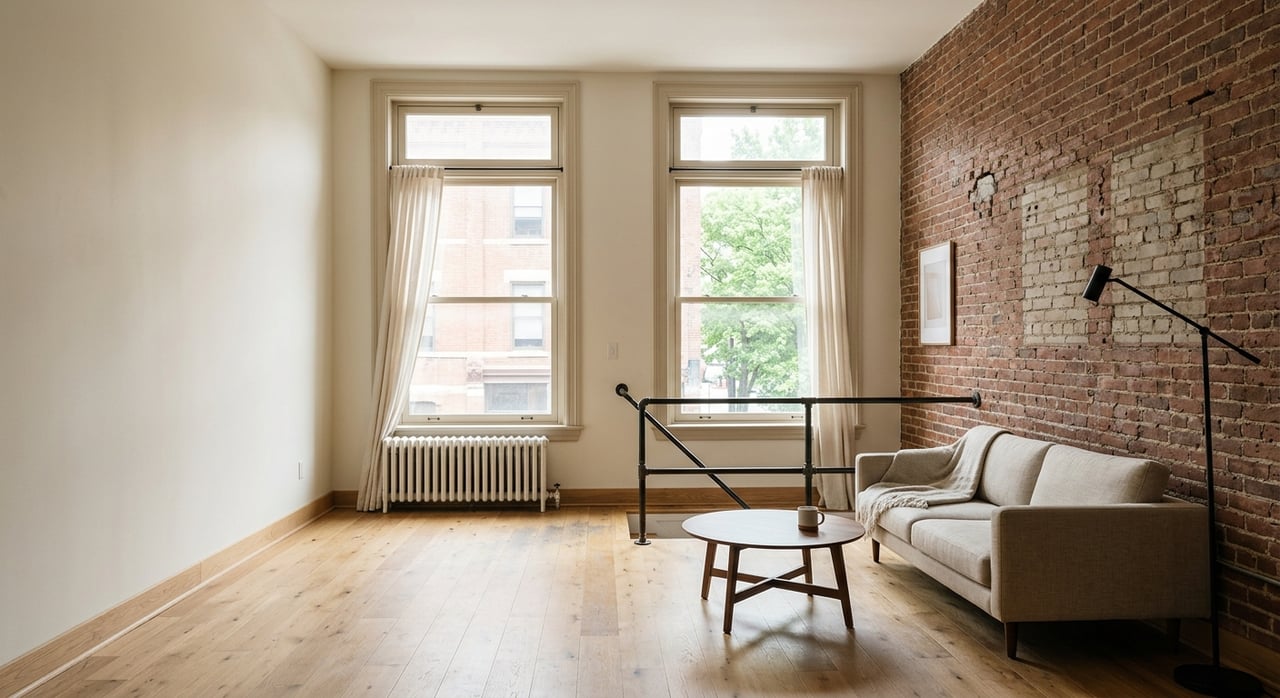
If you are drawn to Allentown, you are probably not looking for a cookie-cutter apartment experience. You are looking for character, walkability, and that hard-to-define feeling of living in a real Buffalo neighborhood with history on every block. The good news is that loft and upper-flat living in Allentown can absolutely deliver that, but it also comes with tradeoffs you should understand before you make a move. Let’s dive in.
Allentown feels historic and urban
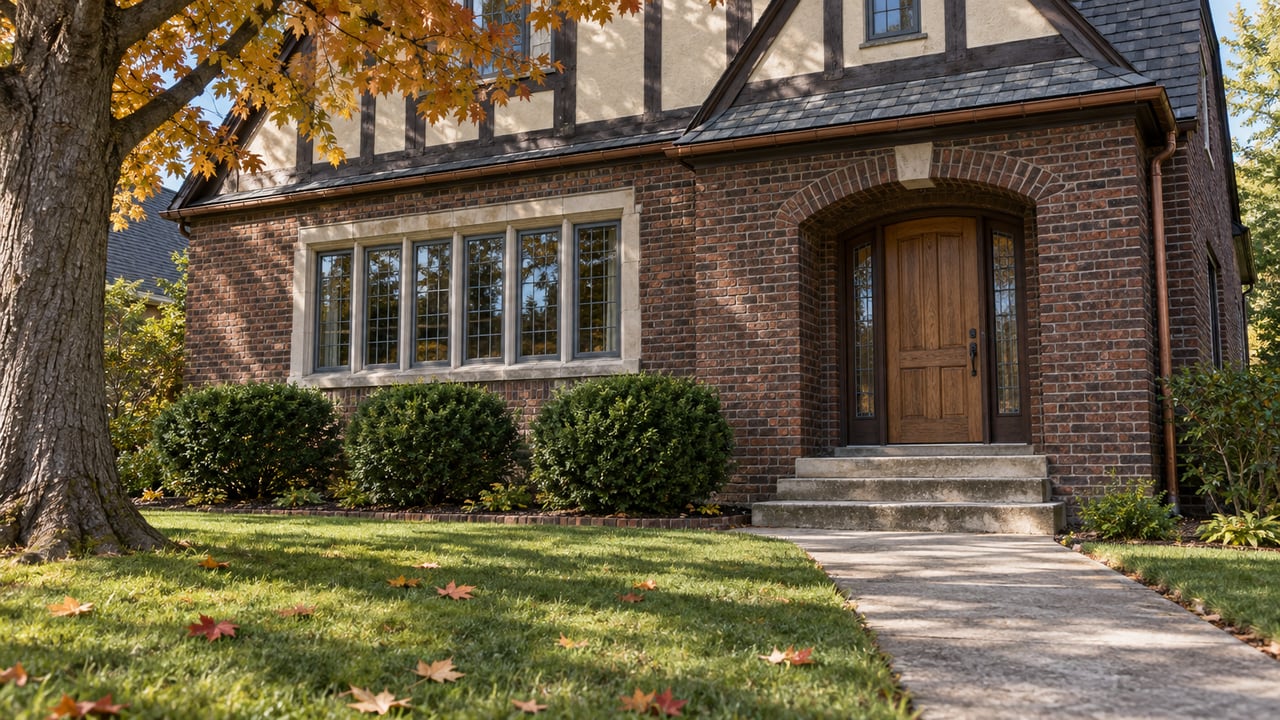
Allentown sits just north of downtown Buffalo and is both a locally designated historic district and part of the National Register of Historic Places. That matters because much of the housing stock comes from older brick mixed-use buildings, converted houses, and historic apartment houses rather than newer high-rise development.
In practical terms, that usually means your home may feel more individual than standardized. You may find details like older staircases, unusual room shapes, and layouts that reflect the building’s original use rather than a modern template.
Loft living is not one single style
One of the biggest surprises for buyers and renters is how varied Allentown housing can be. Two homes in the same area can offer completely different living experiences.
Some renovated loft-style properties feature open layouts, exposed brick, oversized factory windows, and high ceilings. Others feel more like classic turn-of-the-century apartments, with updated systems and windows but a more traditional floor plan and less open space.
That variety is part of the appeal, especially if you love homes with personality. It also means you should look closely at each specific property instead of assuming every loft or upper flat will offer the same features.
Day-to-day life is active and social
If you choose Allentown, you are choosing a neighborhood with energy. The area is known for its restaurants, galleries, live music, murals, shops, and a strong pedestrian rhythm that gives the streets a lived-in, social feel.
That atmosphere is a big reason people love living here. You can step outside and feel connected to the neighborhood instead of separated from it.
For many residents, that is the entire point. Allentown offers a more urban lifestyle where going out for dinner, visiting a gallery, or meeting friends nearby can feel like part of your normal routine.
Noise depends on your block and floor
Here is the honest version: Allentown is not quiet in the same way a purely residential area may be. Sound levels can vary a lot depending on where your unit sits.
Homes closer to Allen Street, bar and restaurant patios, and major event routes are more likely to experience foot traffic and evening activity. Side streets and upper-floor units may feel calmer, even though they are still part of the same neighborhood fabric.
The Allentown Art Festival, held each June, is one example of how the neighborhood can shift into a busier, more festive mode. For some people, that kind of buzz is a major benefit. For others, it is something to weigh carefully.
Light and space can vary dramatically
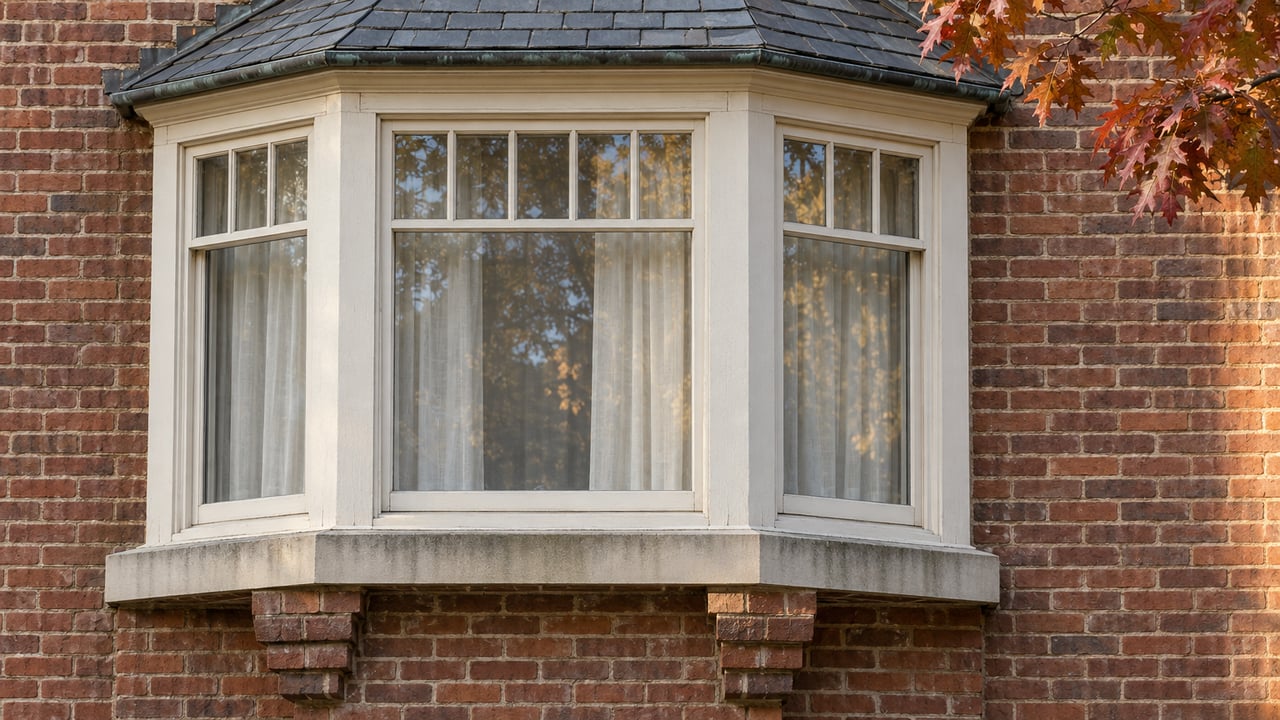
Natural light is another feature that changes from building to building. Some loft-style residences offer oversized windows and tall ceilings that make the interior feel bright and airy.
Other historic apartments have more traditional window sizes and compartmentalized layouts, which can make them feel more compact. Floor level and unit exposure matter a lot, so it is worth paying close attention during showings.
This is one of the reasons Allentown homes can be so memorable. The best spaces often feel visually distinctive, but they do not all perform the same way when it comes to daylight, openness, or room flow.
Convenience is highly address-specific
Amenities in Allentown are not one-size-fits-all. Some renovated properties advertise features such as rooftop decks, indoor parking, secured access, elevator service, and in-unit laundry.
Others may offer off-street parking, shared or first-floor laundry, or no elevator at all. If stairs, laundry setup, parking, or secure access are important to you, confirm those details early.
This is especially important because the neighborhood’s charm can make it easy to fall in love with a building before you have fully thought through the practical side. Character matters, but daily convenience matters too.
Parking deserves extra attention
In Allentown, parking can be one of the biggest differences from one address to the next. Some buildings include indoor, gated, or off-street parking, while others do not.
That can affect your routine more than you expect, especially if you commute by car, entertain guests often, or simply want a predictable setup. It is smart to ask specific questions about where you will park, what guest parking looks like, and whether the arrangement is on-site or off-site.
For the right buyer or renter, this is just part of city living. Still, it is much better to know the answer before you commit than after move-in day.
Car-light living is realistic for some residents
One of Allentown’s strongest lifestyle advantages is location. The neighborhood is about half a mile north of downtown Buffalo, and the Allen-Medical Campus Metro Rail stop serves the Buffalo Niagara Medical Campus.
Because of that, some residents can manage a more car-light routine. If you work downtown, near the Medical Campus, or simply enjoy walking to neighborhood destinations, Allentown can make daily life feel more connected and less car-dependent.
That does not mean every household will want to go car-free. It does mean the location can support more flexibility than many other areas.
What you gain and what you give up
Allentown loft and upper-flat living often means trading uniformity and private yard space for location, architecture, and street life. You are choosing preserved buildings, mixed-use blocks, and a neighborhood that feels visually layered and active.
For many people, that is exactly the appeal. You get texture, convenience, and a strong sense of place that newer housing can struggle to replicate.
But it is not the perfect fit for everyone. If you want silence, guaranteed elevator access, abundant private outdoor space, or a more standardized amenity package, some Allentown properties may feel less predictable than you want.
Who tends to love Allentown living
Allentown often appeals to people who value neighborhood energy, historic character, and close access to dining, arts activity, downtown, or the Medical Campus. The appeal is rarely just the apartment itself.
It is the combination of old-building charm, walkable surroundings, and a daily routine that feels more urban and connected. For some buyers and renters, that creates a lifestyle that feels exciting and deeply local.
The key is matching the property to your priorities. In Allentown, the right fit usually comes from understanding both the unit and the block it sits on.
How to shop smart in Allentown
If you are considering a loft or upper flat here, try to evaluate each property with both charm and practicality in mind. A quick checklist can help.
- Check whether the building has an elevator
- Ask about parking for residents and guests
- Confirm whether laundry is in-unit, shared, or off-site
- Pay attention to window size, light, and floor level
- Visit at different times of day if possible
- Notice nearby restaurants, patios, and event activity
- Think about whether you want a lively block or a quieter side street
That kind of street-level evaluation matters in Allentown. It is one of Buffalo’s most distinctive neighborhoods, and the details can shape your experience more than the listing photos alone.
If you want help sorting through those details, local guidance makes a real difference. A neighborhood like Allentown rewards buyers and renters who look beyond the surface and choose with clear expectations. When you are ready to talk through the lifestyle, building stock, or what makes one block feel different from another, Susan Lenahan can help you make a smart move with confidence.
FAQs
What is loft living like in Allentown, Buffalo?
- Loft living in Allentown often feels historic, urban, and highly individual, with some homes offering exposed brick, high ceilings, and large windows, while others feel more like classic older apartments.
Are Allentown upper flats usually quiet?
- Noise levels vary by location, with homes closer to Allen Street, nightlife spots, and event routes often seeing more activity than side streets or upper-floor units.
Do Allentown buildings usually have elevators?
- No, elevator access is not standard in every building, so it is important to confirm this feature for any specific property you are considering.
Is parking easy at Allentown lofts and apartments?
- Parking depends on the address, since some buildings offer indoor, gated, or off-street parking and others may require a different arrangement.
Can you live in Allentown without driving everywhere?
- For some residents, yes, since Allentown is close to downtown Buffalo and the Allen-Medical Campus Metro Rail stop, making walking and transit more realistic.
What should you check before renting or buying in Allentown?
- Focus on building-specific details like stairs, elevator access, laundry, parking, light, and how busy the block feels at different times of day.