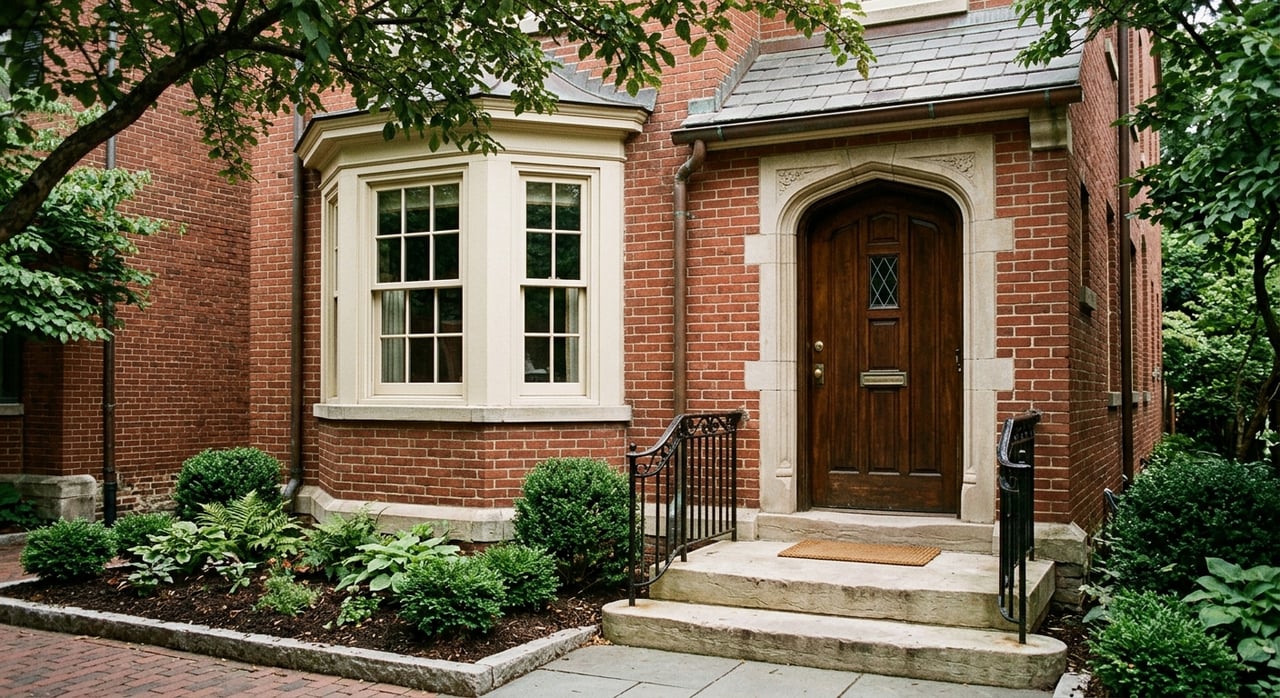
Selling a historic home in Allentown is rarely a last-minute project. If your house has original windows, detailed woodwork, a porch that needs attention, or exterior updates you have been putting off, your timeline can stretch longer than a typical listing. The good news is that with the right plan, you can protect the character buyers love and avoid preventable delays. Let’s dive in.
Why historic Allentown homes need more lead time
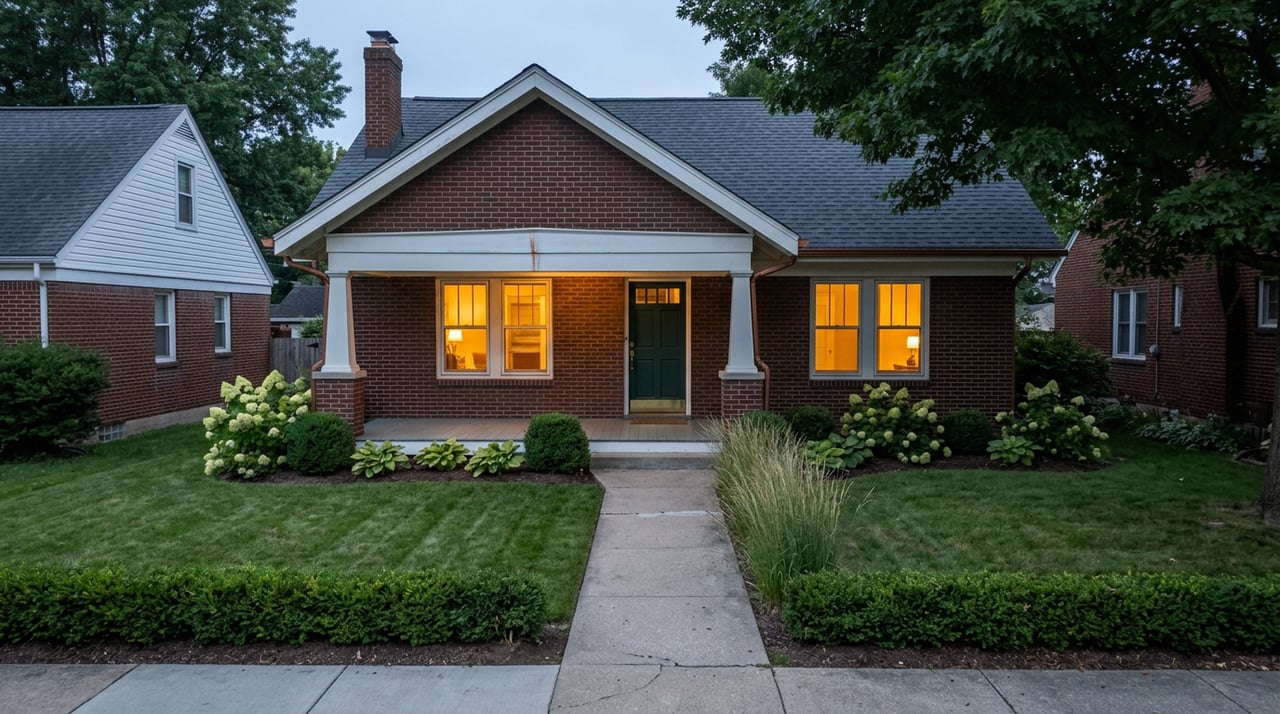
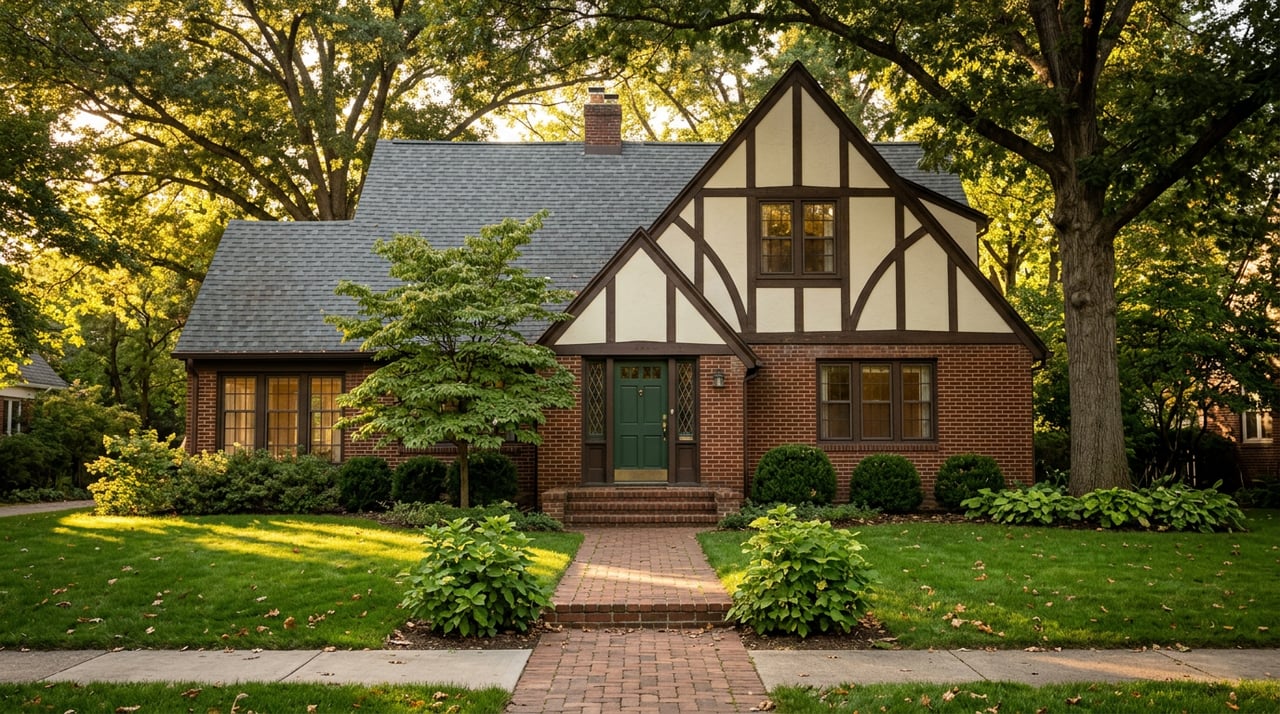
Allentown is both a National Register historic district and a locally certified historic district, with buildings that date from the early 19th century through the early 20th century. That means many homes come with features worth preserving, and prep work is often about thoughtful repair rather than quick cosmetic change. If you are selling one of these properties, timing matters from the start.
In Buffalo, exterior work on properties in local historic districts or designated landmarks may need review by the Preservation Board. The city applies the Secretary of the Interior’s Standards, and depending on the project, work may qualify for staff review or need to go before the board. Since the board meets every two weeks except August, and a complete application for non-in-kind work must be submitted at least nine days before a meeting, planning ahead can save you weeks.
That is why a 60 to 90 day pre-listing window is often the most practical approach for a historic Allentown home. Visible repairs, porch work, window work, and other exterior changes can involve permits, preservation review, and contractor scheduling before your home is ready for photography and showings.
A realistic pre-listing timeline
90 to 75 days before listing
Start with a full property walk-through and a clear repair list. This is the time to identify what is cosmetic, what is structural, and what may draw questions from buyers during showings or inspections. For a historic home, even simple-looking exterior work can affect your schedule.
You should also gather paperwork early. New York’s Property Condition Disclosure Statement asks sellers to answer based on actual knowledge, so it helps to collect permits, invoices, warranties, and records of past work before your home goes on the market.
If you are considering exterior repairs, confirm whether the work is in kind or not. In Buffalo, the historic-preservation certificate application notes that a building permit must be registered before the preservation application can be accepted, unless the work does not normally require a permit. That makes this early planning phase especially important.
If your home was built before 1978, think carefully about any project that may disturb painted surfaces. Federal lead-based paint rules apply to the sale of pre-1978 homes, and if you hire someone to do paint-disturbing work, that contractor must be certified and trained in lead-safe practices.
75 to 45 days before listing
This is usually the main repair and refresh period. Focus first on issues that can affect buyer confidence or show up in an inspection, such as roof leaks, peeling exterior paint, damaged woodwork, drainage problems, or aging mechanical systems.
For Buffalo historic properties, repair or replacement in kind may be reviewed at the staff level, which is often faster than board review. If your exterior work fits that category, you may be able to keep the process moving more smoothly. If it does not, your timeline should allow for formal review.
This is also the best time to book staging and photography. According to the National Association of Realtors’ 2025 survey, many agents reported that staging reduced time on market, and listing photos were rated as especially influential. Even if you do not fully stage every room, cleaning, decluttering, and making thoughtful repairs can make a major difference.
45 to 30 days before listing
As your listing date gets closer, shift from repairs to presentation. Deep cleaning, decluttering, touch-ups, and curb appeal should all be completed before photography.
With a historic Allentown property, the goal is not to strip away the home’s personality. Buyers are often drawn to original details, period materials, and architectural character. Your home should feel polished and well cared for, while still showing the features that make it distinct.
This is also the time to finalize your disclosure packet. New York’s disclosure form covers topics such as foundation issues, exterior walls, chimney condition, floors, heating systems, drainage, flooding, easements, and common-driveway arrangements, so having those details organized early makes the process much smoother.
Key disclosures to handle early
Two disclosure requirements deserve your attention before you list.
First, New York requires the Property Condition Disclosure Statement to be delivered before a binding contract is signed. If a seller does not provide it, the buyer receives a $500 credit at transfer. That makes early preparation more than just a paperwork exercise.
Second, if your home was built before 1978, federal law requires lead-based paint disclosure before sale. Buyers must also be given an opportunity to test for lead hazards. For many historic homes in Allentown, this step is part of the normal transaction timeline.
If you have records related to repairs, permits, or past updates, keep them together in one place. A clean paper trail builds buyer confidence and helps answer questions quickly once the home is on the market.
Preparing historic features for market
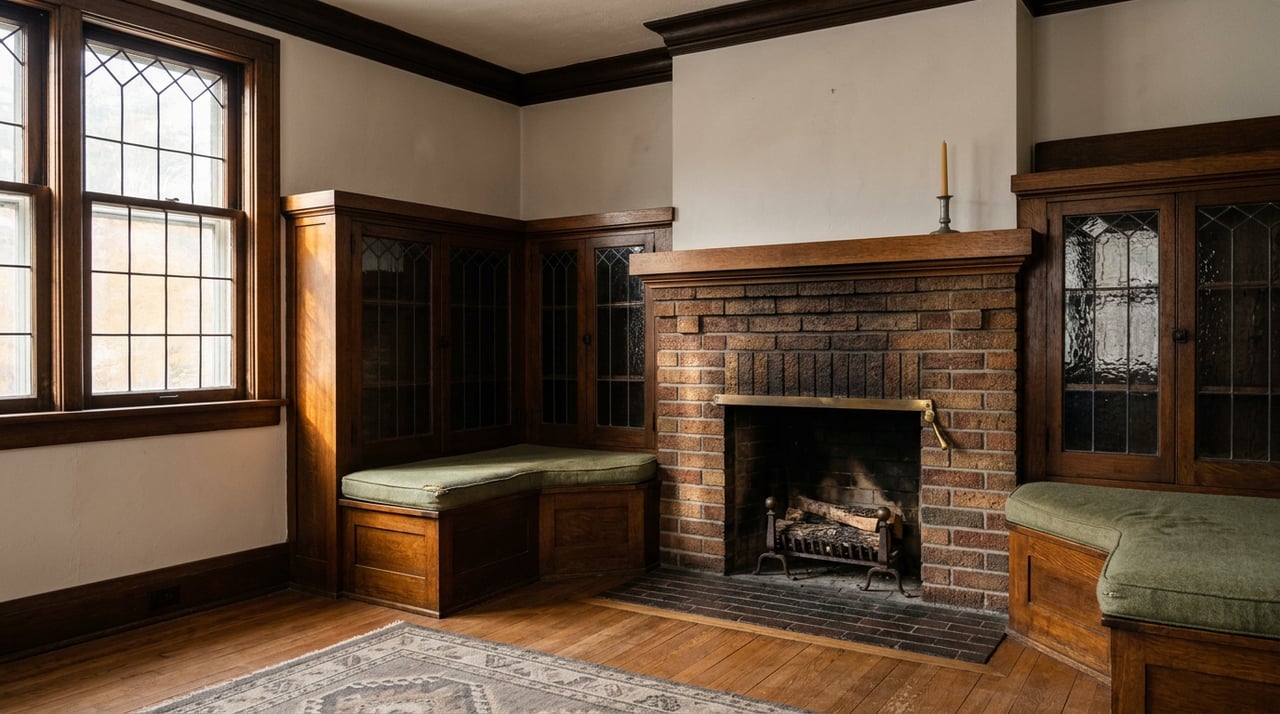
Historic homes often sell best when their character is presented with intention. Original trim, windows, staircases, fireplaces, flooring, and porch details can all be part of the home’s appeal, but buyers still want to feel that the property has been maintained.
That is why prep should focus on repair, cleanliness, and clarity. Address deferred maintenance where possible, clean thoroughly, and make sure buyers can understand what has been updated and what has been preserved.
A strong pre-listing plan may include:
- Repairing visible defects
- Coordinating exterior work early
- Decluttering rooms so architectural details stand out
- Gathering permits, invoices, and warranties
- Finalizing required disclosures before offers arrive
- Scheduling photography only after the home is fully show-ready
For many sellers, this is where concierge-style support matters. Coordinating repairs, staging, and timing can feel like a project in itself, especially if you are balancing a move or downsizing at the same time.
What happens after you accept an offer
Once your home is under contract, the transaction usually moves into due diligence. Buyers often schedule a home inspection first, followed by lender appraisal and title or closing-service work.
The inspection stage matters because findings can lead to repair requests, credits, or further negotiation. If a major issue comes up, the buyer may ask for changes, and in some cases a lender may require repairs before closing or require funds to be held for repairs after closing.
Buyers also work through title services and closing coordination. While much of this happens behind the scenes, sellers benefit when documents, permits, and repair history were organized before listing. That preparation can reduce confusion and keep the deal moving forward.
Closing week and final handoff
As closing approaches, the buyer must receive the Closing Disclosure at least three business days before closing. A final walk-through usually happens before signing so the buyer can confirm that agreed repairs are complete and that included items remain in place.
For financed purchases, the loan closing and home purchase closing typically happen at the same time. Depending on the transaction, the closing may include the buyer, seller, lender, title company or escrow officer, and sometimes attorneys.
From a seller’s perspective, the smoothest closings are usually the ones that were organized early. If exterior work was handled before listing, disclosures were prepared on time, and repair records were easy to produce, you are much less likely to face last-minute surprises.
How to build a smarter listing timeline
If you own a historic home in Allentown, the biggest mistake is assuming you can prep it on the same timeline as a newer property. Historic review, contractor lead times, disclosure documents, and show-ready presentation all take time.
A thoughtful plan gives you room to make the right decisions instead of rushed ones. It also helps you present your home in a way that respects its history while making buyers feel confident about its condition.
If you are thinking about selling, a neighborhood-specific strategy can help you decide what to repair, what to leave alone, and when to start. For guidance on pricing, preparation, staging, and timing for your Allentown home, connect with Susan Lenahan.
FAQs
How long should you plan before listing a historic Allentown home?
- A 60 to 90 day pre-listing window is often helpful because exterior work, preservation review, permits, contractor schedules, and final marketing prep can all add time.
What exterior work on a Buffalo historic home may need review?
- In Buffalo, exterior work on properties in local historic districts or designated landmarks may require Preservation Board review, although some repair or replacement in kind may qualify for staff review.
What disclosures are required when selling a historic home in New York?
- Sellers must provide the New York Property Condition Disclosure Statement before a binding contract is signed, and homes built before 1978 also require lead-based paint disclosure and a buyer opportunity to test for lead hazards.
When should you complete repairs before listing an Allentown home?
- Most repairs and refresh work are best handled about 75 to 45 days before listing, with cleaning, decluttering, and final presentation completed in the last 45 to 30 days.
What happens after an offer is accepted on an Allentown home?
- Buyers typically move into inspection, appraisal, title work, and closing coordination, and inspection findings may lead to repair requests, credits, or further negotiation.