If you have your heart set on Elmwood Village, you already know the challenge: the right home can attract serious attention fast. That can make the process feel exciting and stressful at the same time, especially if you are trying to compete without overpaying or giving up protections you may need. The good news is that you can compete with a smart plan, clear limits, and strong local guidance. Let’s dive in.
Understand the Elmwood Village pace
Elmwood Village remains a competitive market in spring 2026. Redfin reports a median sale price of $448,599 over the prior three months, up 14.1% year over year, with homes selling in about 21 days. Redfin also notes that many homes receive multiple offers and that some buyers waive contingencies.
The broader Buffalo-Niagara market shows a similar pattern. BNAR’s May 2026 MLS report shows 1,642 homes for sale, 1.8 months of supply, 28 days on market, and sellers receiving 104.7% of list price on average. In plain terms, you should expect competition and prepare before you start touring homes, not after.
Get offer-ready before you tour
In a neighborhood where homes can move quickly, preparation is one of your biggest advantages. If you wait until you find the perfect house to sort out financing and budget details, you may already be behind another buyer.
A strong first step is mortgage preapproval. CFPB says sellers frequently require preapproval, and it signals that you are serious and financially prepared. CFPB also advises buyers to ask at least three lenders for preapproval and notes that several preapprovals pulled within a short window should not have a major impact on your credit score.
Preapproval is important, but it is not a blank check. CFPB reminds buyers that preapproval is tentative rather than guaranteed, and only you can decide what monthly payment and overall purchase price feel comfortable for your budget.
Build your real budget
Your budget should cover more than the offer price. CFPB recommends setting aside funds for:
- Your down payment
- Moving costs
- Future repairs
- An emergency cushion
- Property taxes
- Insurance
- Ongoing maintenance
This matters in a bidding war because the highest number is not always the smartest number. If you stretch too far just to win, you may create stress after closing when repairs, taxes, and routine costs show up.
Make your offer strong and clean
In a multiple-offer situation, sellers often compare more than price alone. A competitive offer is usually a mix of strong financial terms, fewer complications, and clear follow-through.
Earnest money can help show commitment. CFPB defines earnest money as a good-faith deposit that may be applied to your closing costs or down payment. It may be returned if the contract ends for a permitted reason, but it can be forfeited if a buyer does not perform in good faith.
That means your offer should be both appealing and realistic. You want to show confidence without promising terms that could put you in a difficult position later.
Focus on the terms sellers notice
When you are competing in Elmwood Village, these offer details can matter:
- A current preapproval letter
- A price that reflects the market, not just the list price
- Meaningful earnest money
- Clean paperwork with clear timelines
- Contingencies that are thoughtful and limited where appropriate
- Flexibility on timing, if that fits your situation
A lower offer can sometimes beat a higher one if the terms are simpler. BNAR’s guidance notes that a higher price can still lose to a lower offer with fewer contingencies or cash financing.
Be careful with escalation clauses
An escalation clause can be useful in the right situation, but it is not automatic. NAR says buyers may include an escalation clause to state how much they are willing to increase their original offer and the highest price they will pay. In theory, this can help you stay competitive without immediately jumping to your top number.
Local Western New York guidance is more cautious. BNAR’s NYSAR-linked article says escalation clauses can be effective in an active seller’s market, but they are not always appropriate. A poorly drafted clause can expose your ceiling and give the seller strategic leverage.
When an escalation clause may help
An escalation clause may make sense when:
- A property is likely to attract multiple strong offers
- You have a firm maximum price in mind
- The clause is clearly written
- You understand the risk of revealing your ceiling
- The language is reviewed carefully before submission
The key is discipline. An escalation clause should support your strategy, not replace it.
Think hard before waiving contingencies
In a hot market, you may hear that waiving contingencies is the only way to win. Sometimes buyers do waive them, and Redfin notes that some offers in Elmwood Village include that approach. Still, waiving protections can create real risk.
NAR identifies waiving contingencies as one of the major risk areas in multiple-offer negotiations. CFPB also draws an important line between an inspection and an appraisal, noting that buyers generally need both.
Inspection planning matters
A home inspection helps you understand the property’s condition. CFPB recommends scheduling an independent home inspection as soon as possible. That is especially important with older homes, where charm and character can come with maintenance needs.
If you are considering limiting an inspection contingency, you should understand exactly what risk you are taking on. Winning the house is one goal. Understanding the house is just as important.
Appraisal gaps can affect your cash
An appraisal protects both you and the lender by comparing the property value to the contract price. CFPB notes that if the appraisal comes in below the sale price, buying above appraised value is risky. Depending on your contract terms, you may need to renegotiate or cancel.
In a bidding war, that means your offer price should connect to your finances, not just your emotions. If you offer well above list, make sure you understand how much cash you could need if the appraisal does not support the number.
Keep emotion from driving the price
Bidding wars can feel personal, but the best decisions are usually the calmest ones. NAR notes that buyers in multiple-offer situations often feel shock, frustration, and disappointment. That is normal, especially if you lose one or two homes before the right one works out.
The most important number in any bidding war is your walkaway number. CFPB reminds buyers that only they can decide how much they are comfortable spending, even if a lender approves more. Once you know your ceiling, you can act quickly without letting the moment push you past your limits.
Set your walkaway number early
Before you write an offer, decide:
- Your maximum purchase price
- Your preferred monthly payment range
- How much cash you want to keep in reserve
- Which contingencies matter most to you
- Where you are willing to be flexible
This kind of clarity helps you compete with confidence. It also helps you recover faster if a seller chooses another offer.
Avoid personal letters
Some buyers think a heartfelt letter will help them stand out. In practice, that approach can create problems.
NAR identifies personal buyer letters as a fair housing risk area in multiple-offer negotiations. In a competitive market, it is usually better to let your financial strength, clean terms, and professionalism speak for you.
Why local strategy matters in Elmwood Village
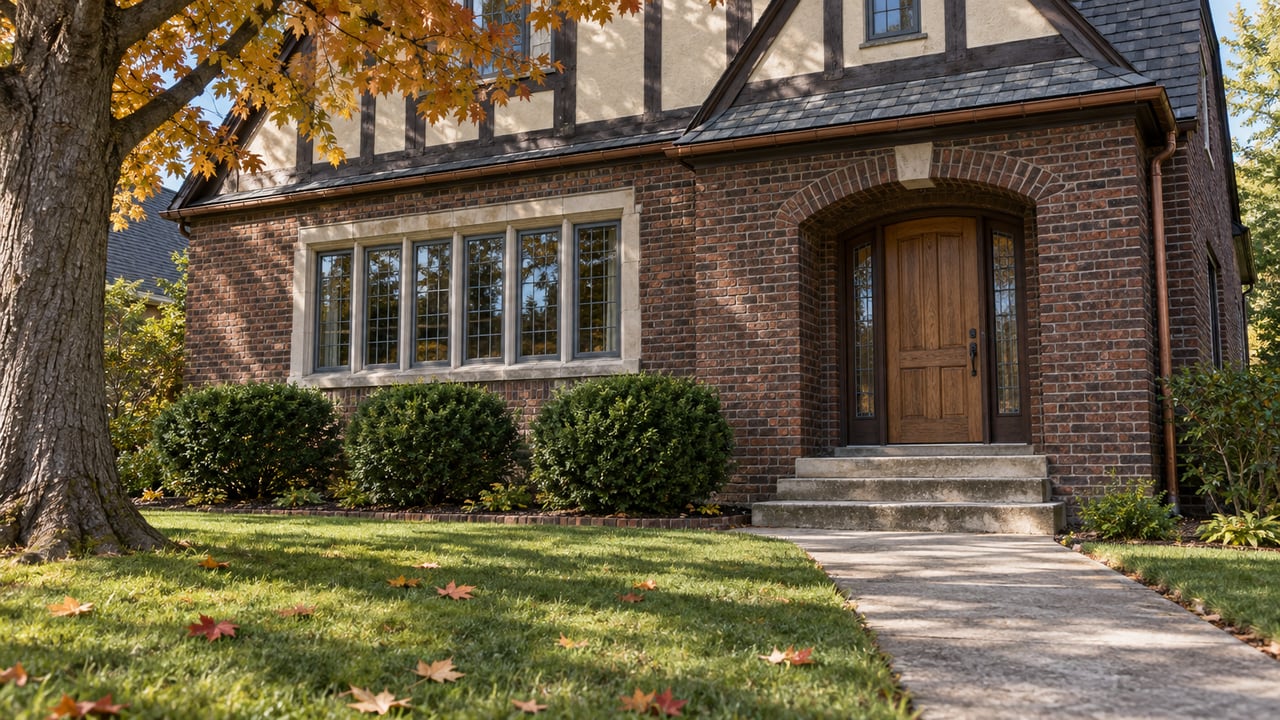
Not every competitive neighborhood behaves the same way. Elmwood Village buyers are often balancing speed, historic housing stock, and strong demand at the same time. That means your strategy should fit the specific property, the likely competition, and your comfort level.
A seasoned local broker can help you compare terms, pressure-test your numbers, and avoid overreacting to list price alone. In a market where some homes receive multiple offers and sellers are averaging more than full price across the region, thoughtful negotiation matters as much as enthusiasm.
A smart bidding-war plan
If you want a practical way to compete, keep this checklist in mind before you submit an offer:
- Get preapproved and compare lenders.
- Set a full budget, not just a max offer price.
- Review cash available for earnest money, closing costs, and possible appraisal gaps.
- Decide in advance which contingencies you need.
- Consider whether an escalation clause fits the situation.
- Keep your offer clean, timely, and easy to understand.
- Stick to your walkaway number.
A hot market does not mean you have to bid recklessly. It means you need to be prepared, fast, and clear about what matters most.
If you are preparing to buy in Elmwood Village, working with someone who knows Buffalo block by block can make the process steadier and more strategic. For local guidance, buyer representation, and thoughtful negotiation support, connect with Susan Lenahan.
FAQs
How competitive is the Elmwood Village housing market in 2026?
- Redfin reports that Elmwood Village had a median sale price of $448,599 in May 2026 over the prior three months, up 14.1% year over year, with homes selling in about 21 days and many receiving multiple offers.
What makes a strong offer in an Elmwood Village bidding war?
- A strong offer usually includes a current preapproval letter, realistic pricing, meaningful earnest money, clear timelines, and terms that reduce complications for the seller.
Should you waive inspection or appraisal contingencies in Elmwood Village?
- Waiving contingencies can make an offer more attractive, but it also increases risk. CFPB notes that buyers generally need both an inspection and an appraisal, so you should weigh any change carefully.
What is an escalation clause in a Buffalo-area bidding war?
- An escalation clause states how much you are willing to raise your offer above another bid and the highest price you will pay, but BNAR warns it should be used carefully because it can reveal your ceiling.
How much should you budget beyond the home price in Elmwood Village?
- CFPB recommends budgeting for your down payment, moving costs, repairs, an emergency cushion, property taxes, insurance, and maintenance, not just the contract price.
Are personal buyer letters a good idea in multiple-offer situations?
- Usually, no. NAR identifies personal buyer letters as a fair housing risk area, so it is often better to focus on price, terms, and preparation instead.