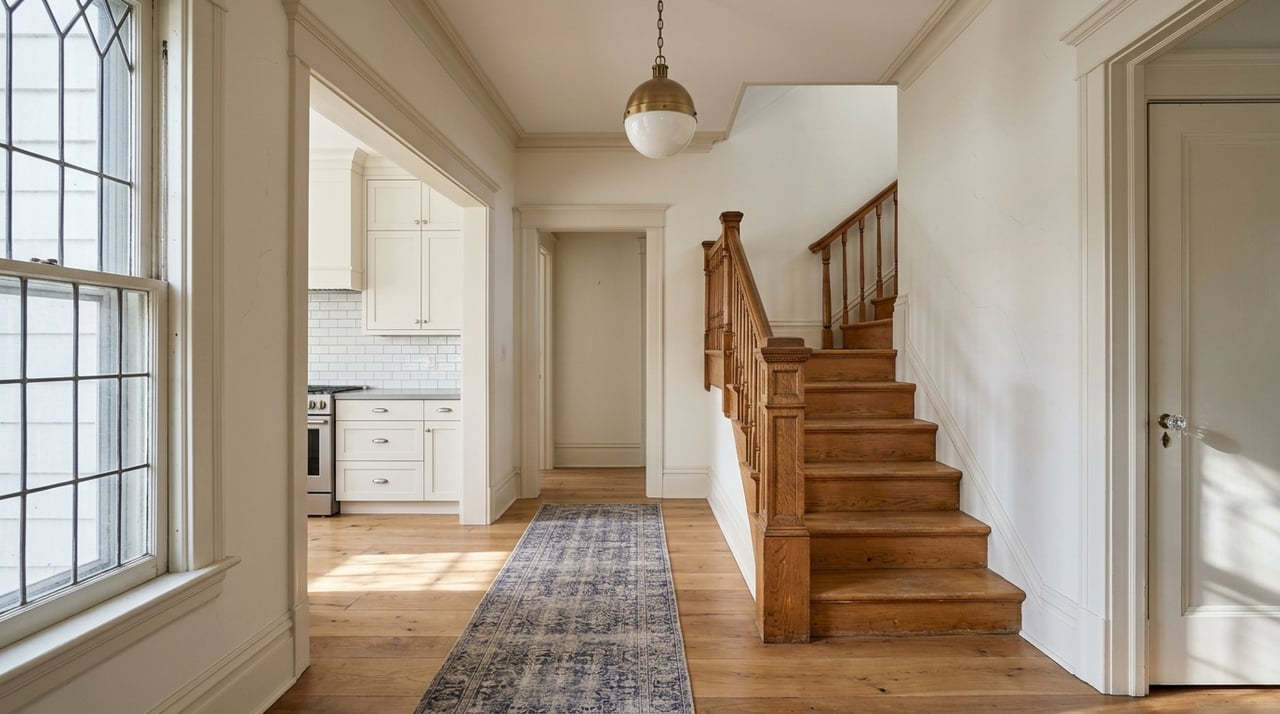
If you are drawn to the streets around Delaware Park, you have probably already noticed that this is not a one-size-fits-all housing market. Here, the choice often comes down to two very different kinds of appeal: the craftsmanship and character of an older home, or the ease and comfort of one that has already been updated. If you are trying to decide which fits your goals, budget, and tolerance for maintenance, this guide will help you weigh the tradeoffs with confidence. Let’s dive in.
Why this choice feels bigger here
Near Delaware Park, a home is often valued for more than square footage and finishes. The park itself is a 350-acre centerpiece of Buffalo’s Olmsted system, and the nearby Parkside neighborhood was planned as Buffalo’s first suburb. That setting shapes how buyers think about the homes around it.
In this part of 14214, many buyers pay close attention to historic details and to how updates fit the original streetscape. That means your decision is not simply about old versus new. It is often about originality versus convenience, and about how much stewardship you want to take on.
What counts as a historic home here
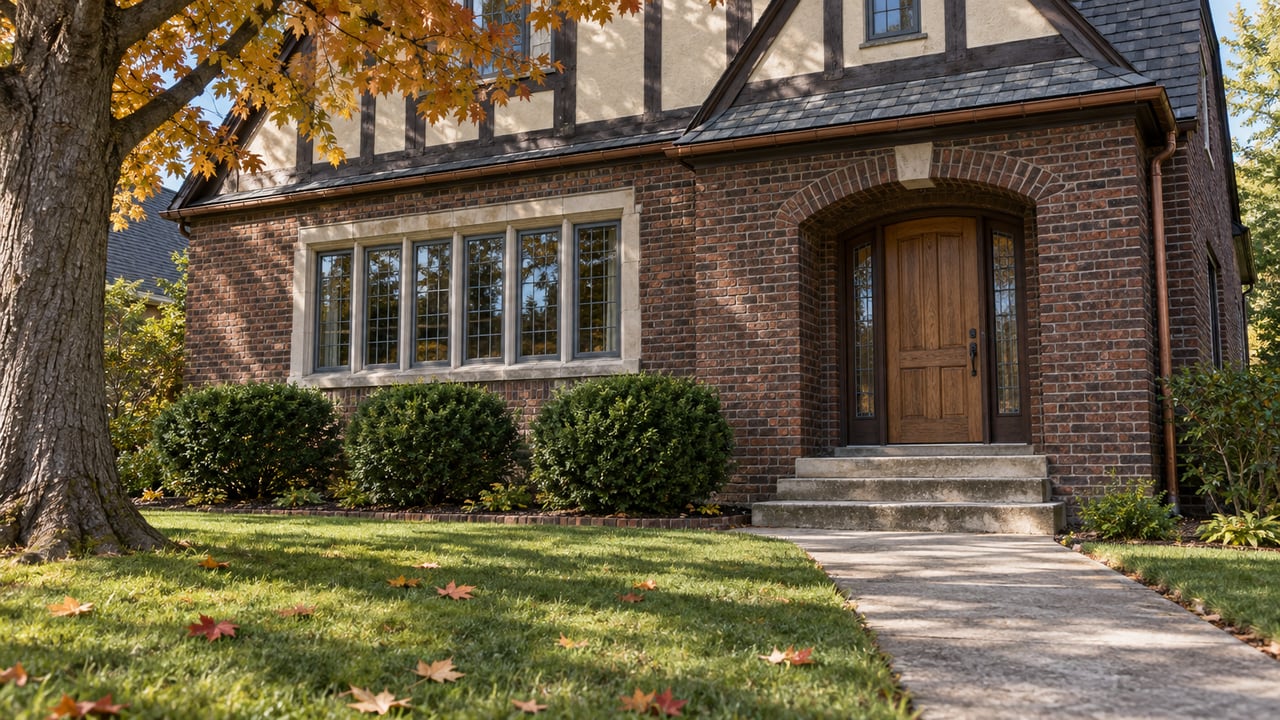
Homes near Delaware Park often date from roughly 1880 to 1930. In Parkside and nearby areas, you will commonly see American Four Square, Victorian, Colonial Revival, Craftsman, and Arts & Crafts bungalow styles, along with broader Buffalo examples like Queen Anne, Romanesque, Shingle, Tudor Revival, Bungalow, and Prairie homes.
If you buy an original house in this area, you are often buying more period materials and more architectural detail. That can mean woodwork, older windows, traditional layouts, and exterior features that help the home feel tied to the neighborhood’s history.
Why buyers love historic homes
Historic homes near Delaware Park offer a sense of place that can be hard to recreate. Many buyers are drawn to original trim, distinctive facades, older masonry, and room proportions that reflect the era in which the house was built.
There is also a long-term appeal to preserving what is already there. National Park Service guidance notes that historic materials are often worth repairing rather than replacing. For example, historic windows can last more than 100 years with maintenance, and storm windows may improve efficiency without removing original features.
For some buyers, that makes an older home feel like both a residence and a stewardship opportunity. If you enjoy restoration, careful maintenance, and living with architecture that has a story, an original home can be deeply rewarding.
What to watch with older houses
The tradeoff is that older homes usually require more attention. Roofs, gutters, downspouts, windows, and doors all play a big role in moisture control, and smaller repairs are often better than waiting until larger replacement is needed.
Moisture is a recurring issue in historic houses. According to National Park Service guidance, clogged gutters and even vines can push moisture into masonry, siding, and roofs. That means a house with wonderful character may still need a disciplined maintenance plan.
You also need to think about common age-related hazards. The EPA says 87% of homes built before 1940 contain some lead-based paint, and any renovation in pre-1978 homes should use lead-safe work practices when paint is disturbed. The EPA also advises that asbestos-containing materials should be repaired or removed by trained, accredited professionals if they are damaged or likely to be disturbed.
What updated homes usually offer
An updated home near Delaware Park often appeals for a simple reason: much of the heavy lifting may already be done. In-demand renovation work reported in 2025 included kitchen upgrades, new roofing, and bathroom renovations. Homeowners also reported high satisfaction with kitchen upgrades, new roofs, and primary suite additions.
For many buyers, that translates into less uncertainty during the first few years of ownership. If the kitchen functions well, the bathrooms feel current, and the roof and building envelope have been improved, you may be able to focus more on settling in and less on immediate projects.
Energy performance is another common reason buyers lean toward updated homes. Department of Energy guidance emphasizes air sealing, insulation, moisture control, and ventilation as starting points for weatherization. DOE also notes that efficient windows, doors, and skylights can improve comfort and lower heating and cooling costs.
The convenience factor of updated homes
Updated homes often fit buyers who want immediate livability. If you are relocating, balancing a busy schedule, or simply do not want to manage contractors right away, a more finished property may feel like the safer choice.
This matters in a market where condition carries real weight. NAR’s 2025 remodeling report found that 46% of buyers are less willing to compromise on a home’s condition. That gives well-updated homes a broader appeal among buyers who want fewer early repairs and more predictability.
The questions to ask about updates
Not all updates add equal value, especially in a historic area. A renovated home may be attractive, but you still want to ask whether the work supports the house and the neighborhood rather than fighting against it.
A few smart questions include:
- Were kitchens and baths updated in a way that fits the home’s scale and style?
- Has the roof been replaced or improved recently?
- Were air sealing, insulation, and moisture control part of the work?
- Were original materials repaired where possible, or removed unnecessarily?
- If the exterior changed, was that work reviewed when required?
In the Delaware Park area, thoughtful updates often hold more lasting appeal than trendy changes that ignore the home’s original character.
Historic district rules can shape your decision
If a property is in one of Buffalo’s local historic districts or has local landmark status, exterior work may be reviewed by the Preservation Board. The city applies the Secretary of the Interior’s Standards, and some repairs or replacement in kind may qualify for staff-level review.
That matters if you are the kind of owner who wants to make major exterior changes over time. Your decision is not only about what the house looks like today. It is also about how much flexibility you want for future projects.
For buyers who value preservation, this review process may feel reassuring because it helps protect neighborhood character. For buyers who want freedom to rework exterior details, it is an important factor to understand before making an offer.
A possible financial upside for qualifying historic homes
Some buyers looking at historic properties should also ask about rehabilitation incentives. New York State says owners who occupy certified historic residential buildings in qualifying census tracts may be eligible for a homeowner historic rehabilitation credit equal to 20% of qualified rehabilitation expenses.
There are specific requirements, including owner occupancy, at least $5,000 in eligible work, and a Certificate of Completion. This will not apply to every home, but for the right property it can help offset part of the cost of appropriate rehabilitation.
How resale works in 14214
Pricing snapshots in 14214 vary depending on the source and metric. As of March 2026, Zillow reported an average home value of $281,701, Redfin reported a median sale price of $283,000, and Realtor.com showed a median listing price around $199,450 to $199,900. These numbers are best used as directional context, not as direct comparisons.
What matters most for resale near Delaware Park is often condition and presentation. A carefully maintained original home can draw strong interest when its historic character remains intact and its maintenance story is clear. An updated home may attract a wider pool of condition-sensitive buyers who prefer fewer unknowns.
In other words, both paths can work. The better investment for you depends on whether you value authenticity, convenience, or a thoughtful blend of both.
How to choose the right fit
If you are deciding between a historic home and an updated one near Delaware Park, start with an honest look at your priorities. The right answer is usually less about design taste and more about how you want to live.
A historic home may be the better fit if you:
- Value original architecture and period detail
- Enjoy restoration and long-term stewardship
- Are comfortable budgeting for ongoing maintenance
- Want to preserve historic materials when possible
An updated home may be the better fit if you:
- Want fewer immediate repairs or projects
- Prefer modern kitchens, baths, and systems
- Prioritize comfort and energy-saving improvements
- Need a home that feels move-in ready from day one
Some of the best opportunities near Delaware Park are homes that sit between these two categories. A property with preserved character and smart, well-matched updates can offer the warmth of an older Buffalo home with less uncertainty in the early years of ownership.
A local strategy matters
Near Delaware Park, your decision is shaped by architecture, maintenance realities, possible preservation review, and buyer expectations in 14214. That is why broad advice is not enough. You need neighborhood-specific guidance that looks at the actual house, the block, and the likely resale story.
Whether you are drawn to original craftsmanship or want the comfort of recent upgrades, the best choice is the one that aligns with your timeline, budget, and tolerance for ongoing work. If you want help evaluating homes near Delaware Park with a practical, local lens, Susan Lenahan can help you compare options and make a confident move.
FAQs
Should you buy a historic home near Delaware Park if you want lower maintenance?
- Usually, an updated home is the easier fit if lower maintenance is a top priority, since older homes often need more ongoing attention to roofs, gutters, windows, doors, and moisture control.
What styles of historic homes are common near Delaware Park in 14214?
- Common styles include American Four Square, Victorian, Colonial Revival, Craftsman, Arts & Crafts bungalow, Queen Anne, Romanesque, Shingle, Tudor Revival, Bungalow, and Prairie homes.
Do updated homes near Delaware Park still hold value with buyers?
- Yes. Updated homes often appeal to buyers who are less willing to compromise on condition, especially when kitchens, bathrooms, roofing, and comfort-related improvements have already been addressed.
Are there special rules for exterior changes on some Delaware Park-area homes?
- Yes. In Buffalo’s local historic districts or on local landmark properties, exterior work may be reviewed by the Preservation Board, with some repair or replacement in kind possibly handled at the staff level.
Can buyers of historic homes in Buffalo qualify for a tax credit?
- Some owner-occupants of certified historic residential buildings in qualifying census tracts may be eligible for a New York State homeowner historic rehabilitation credit equal to 20% of qualified rehabilitation expenses, subject to program requirements.
How should you compare home prices in 14214 near Delaware Park?
- Use online pricing figures as directional context only, because average home value, median sale price, and median listing price measure different things and are not directly comparable.