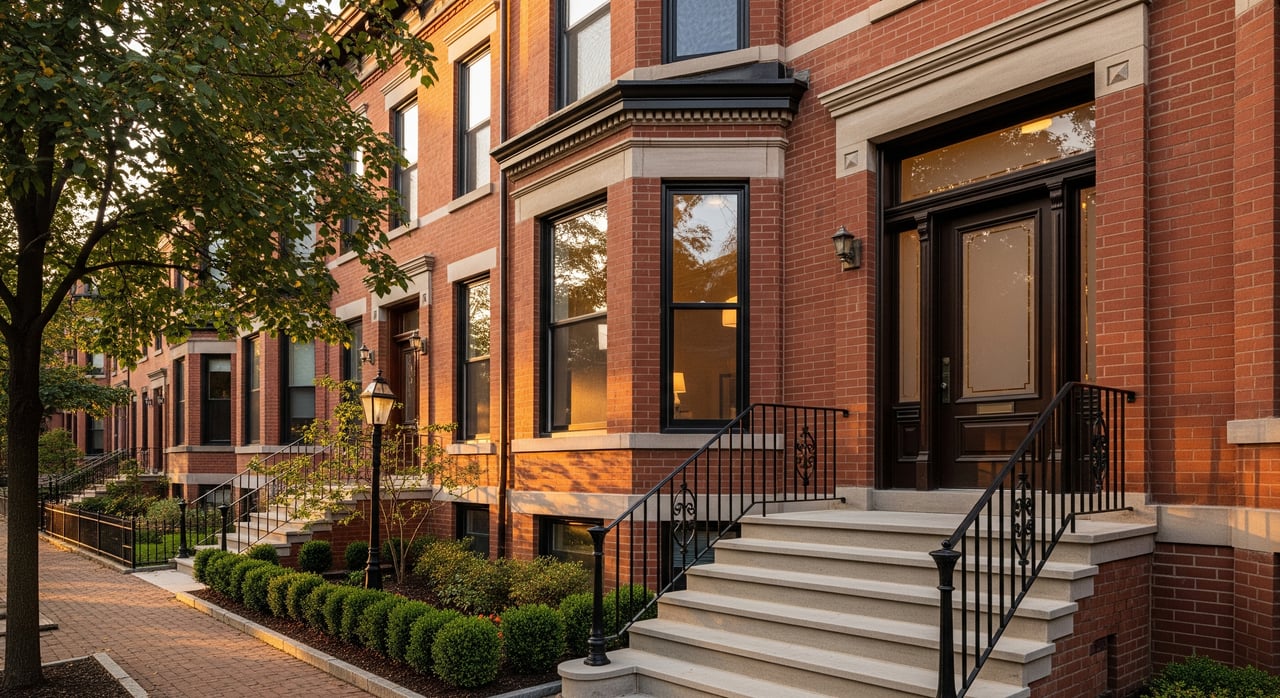
Thinking about living in one unit and renting the other in Starin Central? You are not alone. Many Buffalo buyers use a duplex to lower monthly costs while building equity. In this guide, you will learn the key steps for buying or selling an owner-occupied duplex in 14214, plus the rules, financing basics, and what to check before you move forward. Let’s dive in.
Why an owner-occupied duplex
Buying a duplex and living in one unit can offset your mortgage with rent from the other unit. Lenders often view owner-occupied 2-unit homes more favorably than larger multi-family buildings. You also get on-site oversight of your rental, which makes day-to-day management simpler. The trade-off is that you take on landlord duties and must follow local rental rules.
Starin Central and 14214 basics
Starin Central is commonly used to describe a pocket within Buffalo’s 14214 ZIP code. Neighborhood labels and boundaries can vary, so confirm the exact location with City of Buffalo neighborhood and council district maps. Housing in this area often includes older properties, which means you should plan for standard safety checks, lead-based paint disclosures if built before 1978, and careful review of prior permits.
If you want numbers on prices, rents, and days on market in 14214, ask for recent local MLS reports from a Buffalo-focused broker. National portals can show trends, but the most reliable comps and rental figures will come from the local MLS and association data.
Zoning, permits and occupancy
- Zoning: Whether a two-family use is allowed depends on the property’s zoning district. Many residential zones in Buffalo allow duplexes, but each has rules for lot size, setbacks and parking. Confirm zoning for the exact address with the City of Buffalo zoning maps and ordinance.
- Permits: Any structural work or changes to unit count, egress, or fire separation typically requires permits and plan review. Electrical, plumbing and HVAC upgrades also need permits.
- Certificates and registration: Changes in rental or occupancy can trigger inspections and a Certificate of Occupancy. Some municipalities require rental registration or licensing for rentals. Verify current Buffalo policies for your address before you lease a unit.
- Short-term rentals: If you plan to offer a unit as a short-term rental, confirm Buffalo’s rules, registration and tax requirements for that use.
Financing options for 2-unit homes
- FHA: Many buyers use FHA financing for 2 to 4 units when they will occupy one unit as a primary residence. FHA has owner-occupancy requirements and county loan limits, so verify Erie County limits and current rules before you apply.
- Conventional: Fannie Mae and Freddie Mac offer financing on 2-unit properties, with specific down payment, reserve and income rules for multi-unit homes. Underwriting for 2 units can differ from a single-family purchase.
- VA: Eligible veterans may be able to finance a 2-unit property if they will occupy one unit. Confirm current VA program guidelines.
- Local assistance: Check City of Buffalo, Erie County and New York State programs for down payment help or buyer counseling for owner-occupants.
Using rental income to qualify
Many lenders allow a portion of projected rent from the second unit to be counted in your qualifying income. You will likely need a market rent analysis or a lease, and lenders often use a reduced percentage of gross rent to account for vacancy and expenses. Ask your lender for a pre-approval that models scenarios with and without rental income so you understand your range.
Property taxes and exemptions
Property taxes are assessed locally. Review parcel-level assessment and tax history through Erie County Real Property Tax Services. If you live in one unit as your primary residence, look into New York State’s STAR program for school tax relief, which includes Basic and Enhanced options based on eligibility. Always verify your property’s current assessment, tax rates and any special district charges before you buy.
Insurance for owner-occupied duplexes
A duplex with one rental unit needs coverage that fits both uses. Ask for a policy that covers your dwelling and the rental unit, liability protection and potential loss-of-rent coverage. If the property is in a FEMA flood zone, flood insurance may be required by your lender. A local insurance agent experienced with 2-unit homes can quote the right coverage and explain lender requirements.
Safety, health and renovation
As a landlord, you must keep the rental unit habitable and address repairs promptly. Smoke and carbon monoxide detectors, safe egress for bedrooms and a working heating system are essential. For homes built before 1978, federal law requires disclosure of any known lead-based paint hazards and distribution of the EPA and HUD lead pamphlet when leasing. Significant renovations can trigger energy code or accessibility updates, so confirm with City plan examiners before you start work.
Utilities and day-to-day operations
Ask how utilities are metered. Separate gas and electric meters simplify billing and reduce disputes over usage. Decide whether you will self-manage or hire a property manager for tenant screening, leasing, bookkeeping and maintenance. Clarify who pays for landscaping and snow removal, and document responsibilities in the lease.
Typical operating costs for the rental unit include:
- Routine maintenance and repairs
- Insurance add-ons for rental exposure
- Vacancy and turnover allowance
- Utilities if landlord-paid
- Landscaping, snow removal and common-area upkeep
- Capital improvements over time
Pricing the rent
Price rent based on comparable local units, size and condition, and whether utilities are included. Ask for a market rent opinion from a local agent who works with duplexes in 14214, and review recent leases or market rent reports in the MLS. Adjust for upgrades, dedicated parking and laundry.
Buyer checklist for 14214 duplexes
- Confirm duplex use in the zoning district for the exact address.
- Request recent MLS comps for sales and rents in 14214.
- Get a pre-approval tailored to 2-unit owner-occupied loans. Ask how projected rent will be treated.
- Order a full home inspection that checks egress, detectors, electrical capacity and separate systems.
- Review permits and past conversions with the City of Buffalo permitting and inspections office.
- Verify utility meter setup and request historical utility costs.
- Check flood maps to understand any insurance requirements.
- Ask the seller for current leases, rent roll, security deposit records and maintenance history.
- Prepare for lead-based paint disclosures if the property predates 1978.
Seller checklist for owner-occupants
- Gather leases, rent ledgers, and security deposit receipts.
- Confirm any required rental registration, inspection or Certificate of Occupancy items.
- Test smoke and CO detectors, confirm safe egress, and address known code issues.
- Provide lead-based paint disclosures if applicable.
- Share parcel IDs and recent tax bills for buyer due diligence.
- Tidy common areas and consider minor updates that support appraisal and buyer confidence.
Work with a neighborhood expert
Buying or selling a duplex in Starin Central is part real estate, part small business. You will make better decisions when you have current comps, clear zoning answers and a financing plan that accounts for rental income. If you want a local guide who understands Buffalo’s block-by-block details and the realities of owner-occupied rentals, let’s talk. Connect with Susan Lenahan for a clear plan and a smooth path to closing.
FAQs
Can I live in one unit and rent the other in 14214?
- Yes. Owner-occupancy with one rental unit is common, and many mortgage programs support 2-unit purchases when you occupy one unit as your primary residence.
Will lenders count rent from the second unit?
- Often yes. Many lenders count a portion of projected rent with a lease or market rent analysis, using a conservative percentage to allow for vacancy and expenses.
What down payment do I need for a duplex?
- It depends on the loan. FHA, conventional and VA programs have different requirements for 2-unit homes, so ask a lender for current guidelines and Erie County loan limits.
Does Buffalo require rental registration or inspections?
- Policies can apply. Confirm current rental registration, inspection and Certificate of Occupancy requirements with the City of Buffalo for your specific address.
What should I know about lead-based paint in older homes?
- For properties built before 1978, federal law requires disclosure of known lead hazards and distribution of the EPA and HUD lead pamphlet when leasing a unit.
Do I need flood insurance in 14214?
- Only if the property is in a designated flood zone or your lender requires it. Check FEMA flood maps for the parcel to verify.
Should utilities be on separate meters for a duplex?
- Separate meters make billing clear and reduce disputes. If meters are shared, spell out cost sharing in the lease or consider a utility allowance.