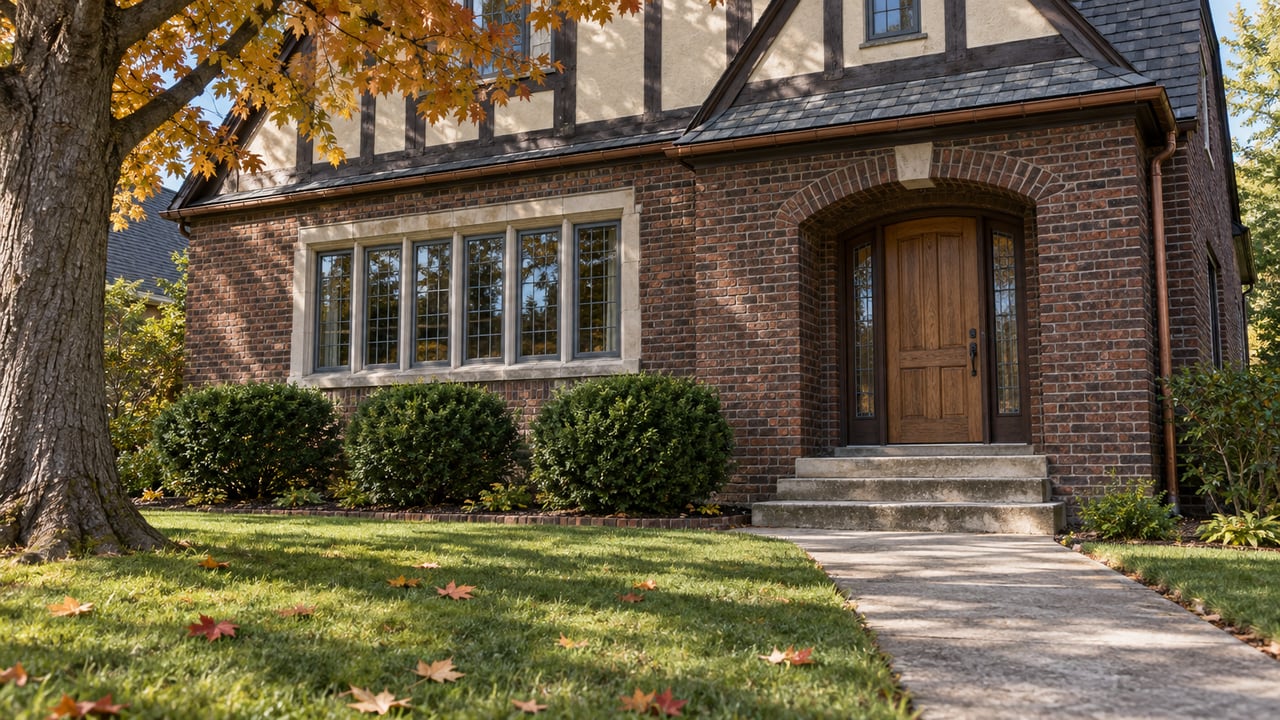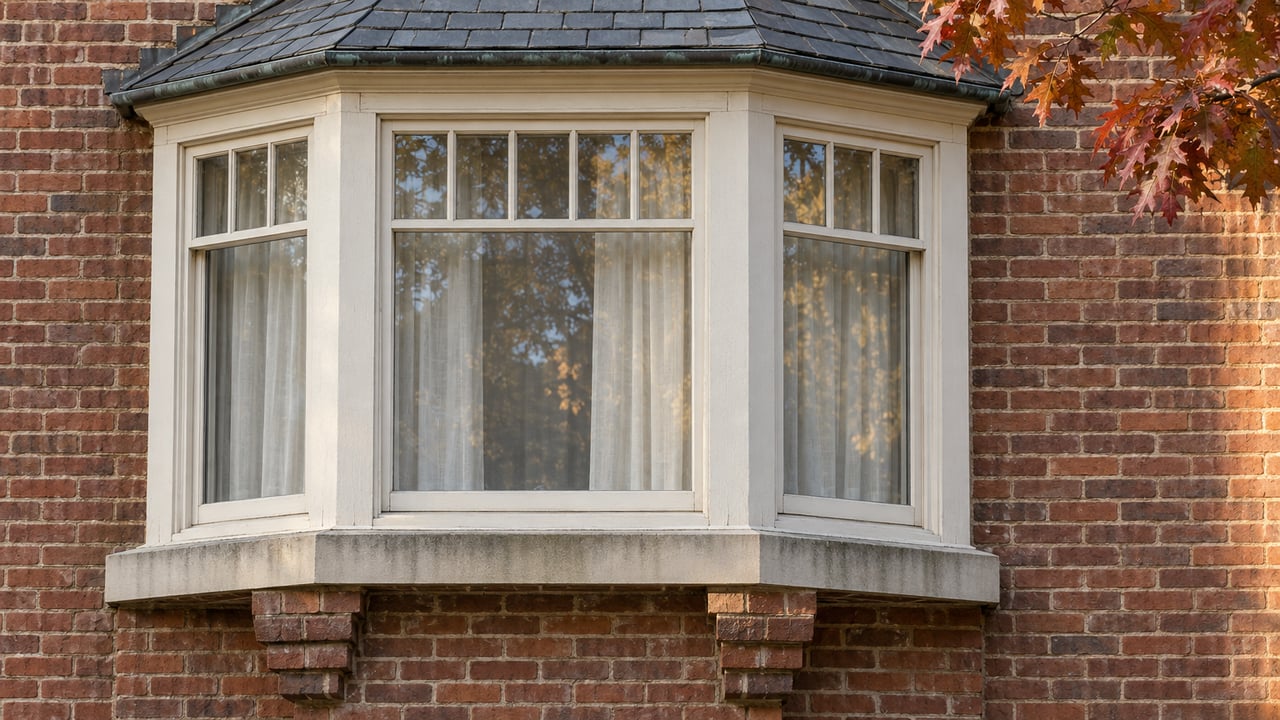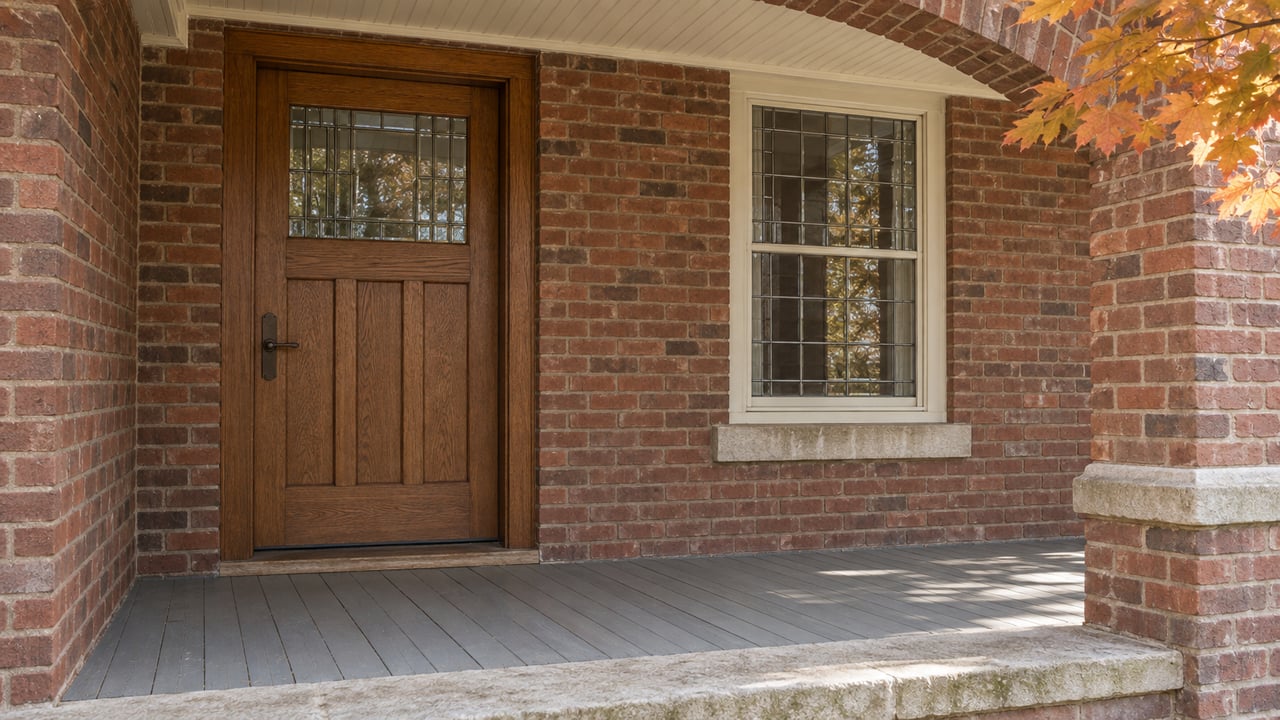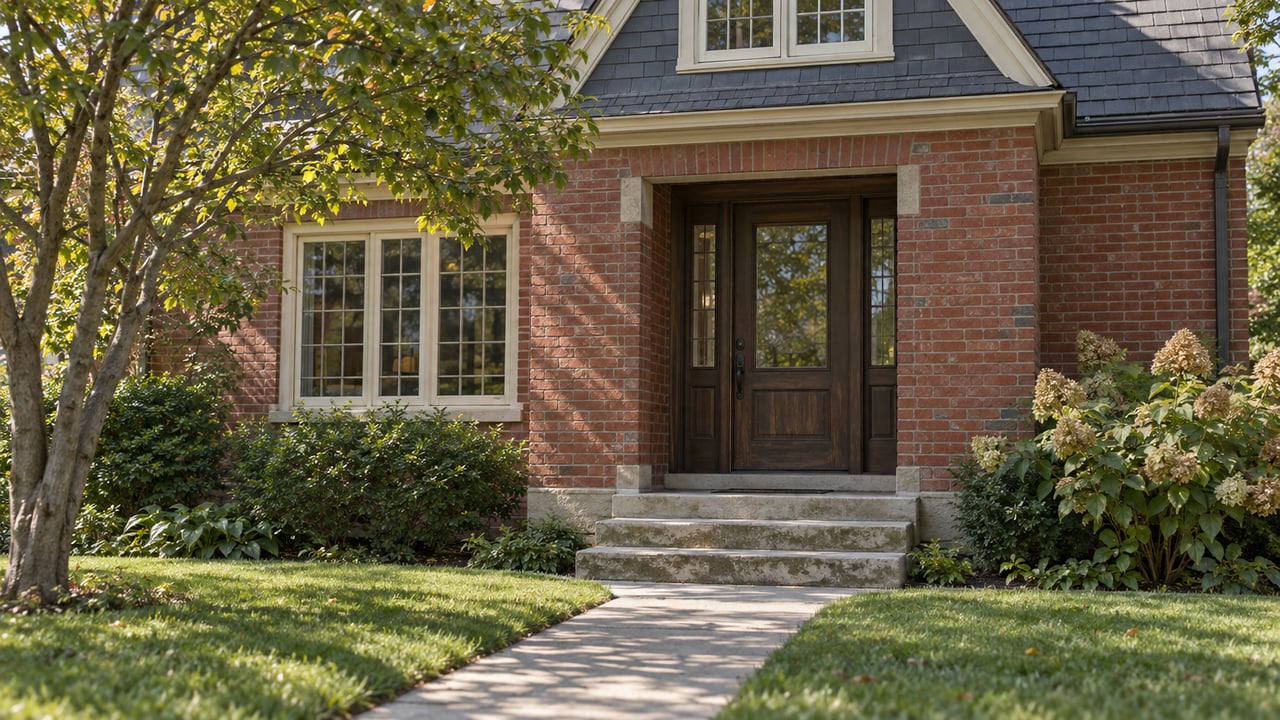
Thinking about selling your historic Allentown home but not sure where to start? You know buyers love the stained glass, millwork, and big front porches, yet you also worry about inspections, permits, and preserving what makes your house special. In this guide, you’ll learn how to prepare your home for market in a way that protects its character, reduces buyer friction, and aligns with Buffalo’s rules for historic properties. Let’s dive in.
Confirm historic status and rules
Why Allentown’s designation matters
Allentown is a recognized historic district on the National Register of Historic Places. Many buyers seek out the neighborhood because of its authentic architecture and intact streetscapes. If your property is within the district, buyers often view original details as a value add. You can read more about the district’s listing through the National Park Service’s record for the Allentown Historic District.
Buffalo also has a local Preservation Code that regulates exterior changes visible from the street for landmarks and properties in local historic districts. Many exterior updates require review by the Buffalo Preservation Board and a Certificate of Appropriateness before work begins. You can see the City’s rules in Buffalo’s Preservation Code, Chapter 337.
Who to contact first
If you plan any pre-sale exterior work, confirm what permits or approvals you need before you start. The City’s Department of Permits and Inspections can explain building permit requirements and how they interact with Preservation Board review. Check the City’s guidance on Permits and Inspections.
Local practice sometimes includes short-term moratoria as part of the landmarking process. If there is an active designation effort near your property, timeline and scope rules can change. For context on how moratoria fit into the process, see this explainer from Preservation Buffalo Niagara.
Do a focused pre-listing audit
What Buffalo inspectors flag
A targeted pre-listing inspection helps you solve common red flags before buyers find them. In Buffalo’s older homes, inspectors often point out:
- Foundation and moisture: settlement, horizontal cracks, bowing walls, and poor drainage. Clean gutters, extend downspouts, and evaluate grading to move water away from the foundation.
- Roofs, flashing, chimneys: worn or layered roofing, failed flashing, and chimneys that need repointing or liner work. Keep receipts and any warranties.
- Electrical: knob-and-tube wiring, old fuse boxes, or undersized service. These can be insurance-sensitive.
- Plumbing and heating: galvanized supply lines, cast-iron drains, and aging boilers or steam systems.
- Hazard materials: lead-based paint is common in pre-1978 homes, and asbestos may appear in insulation, tile, or siding. Federal rules require specific lead disclosures for sellers, outlined by the EPA’s lead-based paint disclosure rule.
- Underground oil tanks: older properties may have buried or abandoned tanks. A specialist can scan, remove if needed, and test soil in advance to prevent delays. See due diligence guidance on buried tank issues.
For a local perspective on frequent inspection red flags, review this overview of what Buffalo inspectors commonly note in older homes: 10 Home Inspection Red Flags in Buffalo.
Get estimates and warranties
After your inspection, line up two contractor estimates for the big-ticket items buyers are likely to negotiate. That usually includes roofs, electrical updates, plumbing lines, foundations, and chimney work. Keep paid invoices and warranties. Being able to show recent service records or confirmed estimates helps buyers price risk and reduces last-minute renegotiations.
Make preservation-smart fixes
A repair-first approach often saves money and appeals to preservation-minded buyers. The Secretary of the Interior’s Standards for Rehabilitation provide an easy framework: repair rather than replace when feasible, and make new work compatible and reversible when you can. If you want a deeper reference, review the Secretary’s Standards for Rehabilitation.
Stop water and moisture
Water is the costliest enemy in an older home. Address roof leaks and chimney flashing, clear gutters, and extend downspouts so water discharges away from the foundation. If the lot is flat, consider minor grading fixes to move surface water away from the house. Stopping moisture first protects structure, finishes, and your negotiation position.
Keep original windows
Historic wood windows can often be repaired. Weatherstripping, sash-cord repair, reglazing, and sensitive storm windows can improve comfort without losing character. Many buyers prefer original windows with storms over wholesale vinyl replacements. If you are weighing options, the NPS’s Preservation Brief 9 explains decision points and methods for repairing historic wood windows.
Repair masonry and porches
Repoint mortar with a compatible mix rather than a hard Portland-cement mortar that can damage old brick. Stabilize porch structure and repair decking, railings, and steps. These are high-visibility items that show up in listing photos and inspection reports. Careful repair preserves original details that buyers love.
Upgrade systems with care
Energy and mechanical upgrades can be done without harming historic finishes. Attic insulation, careful rim-joist air sealing, and thoughtful routing for new heating equipment are smart value-adds. When you update systems, document work and keep any access panels discreet and serviceable. The Standards framework supports energy improvements when they are compatible and reversible.
Replace only when needed
If deterioration is too severe to repair, replacement can make sense. Choose materials and profiles that match the original in design, proportion, and scale. Document why replacement was necessary and keep samples and receipts. Aligning with the Secretary’s Standards helps with buyer confidence and future review needs.
Gather records buyers expect
A polished documentation packet speeds deals and builds trust. Aim to assemble a “heritage packet” that includes:
- Designation and approvals: a short note on whether the property sits in a local historic district and copies of any Certificates of Appropriateness or Preservation Board decisions for exterior work. See the City’s requirements in Chapter 337 of the Preservation Code.
- Permits and certificates: building permits, final inspections, and any certificates of occupancy. If you are missing documents, start with the City’s Permits and Inspections office.
- Invoices and warranties: roof, HVAC, electrical, plumbing, and chimney. Receipts with dates and contractor info reduce uncertainty for buyers and their insurers. For a sense of what buyers ask about, review common red flags and documentation tips in this Buffalo inspection overview.
- Hazard and environmental records: any lead test reports, asbestos surveys and abatement clearances, and oil tank removal documents with soil test results. Federal law requires lead disclosures for pre-1978 homes, outlined by the EPA’s lead disclosure rule. For asbestos, New York State provides compliance guidance through the Asbestos Control Bureau.
- Historic materials: old photos, previous architectural reports, and any notes on past restorations. Many buyers appreciate a short timeline of stewards and improvements.
Stage and position the story
Lead with character
Your photos and copy should call out original features: moldings, mantels, stained glass, newel posts, transoms, and period hardware. Use close-ups and simple styling so these details stand out. Keep furniture scaled to the rooms so buyers can feel the architecture.
Create curb appeal buyers see
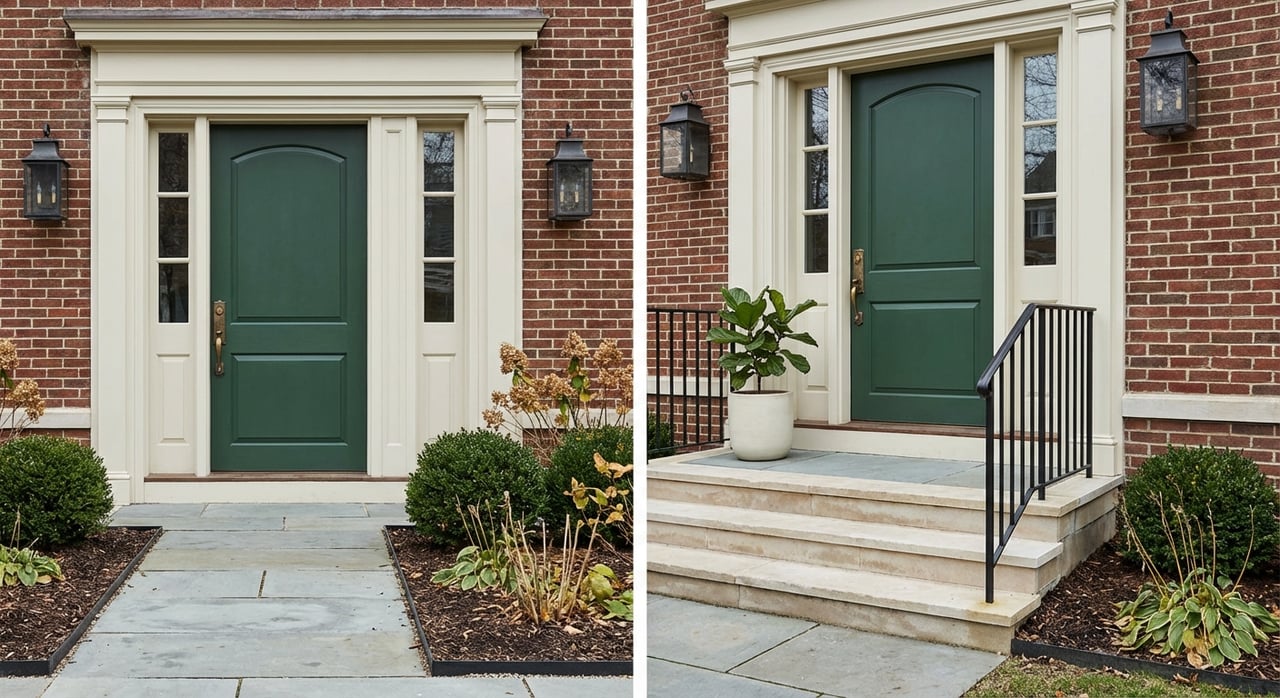
Tidy landscaping, safe and freshly repaired porch steps, and a well-chosen front door color go a long way. You do not need to replace historic elements to make an impact. Fix obvious exterior defects that will appear in inspection photos, then let the house’s authentic materials do the talking. For reference on exterior issues that get flagged, see Buffalo’s common inspection red flags.
Be transparent about review requirements
If future exterior changes will require Preservation Board review, say so clearly in your seller disclosures and marketing remarks. For some buyers, clear guidelines are a selling point. For others, transparency reduces surprises that can derail a deal. Point them to the City’s Preservation Code for context.
Quick pre-listing checklist
High-priority steps
- Order a pre-listing inspection with a local inspector who understands historic homes. Ask for a written report and line-item contractor estimates for roof, electrical, plumbing, foundation, and chimney.
- Address water intrusion first. Clean gutters, extend downspouts, and repair flashing and masonry where needed.
- Confirm whether your property is in a local historic district or is individually landmarked. Gather any past Certificates of Appropriateness or Board correspondence.
- Assemble permits, contractor invoices, and warranties for mechanical and structural work.
- If your home was built before 1978, complete the federal lead disclosure and gather any lead or asbestos reports.
Medium-priority steps
- Repair historic window sashes, stabilize porches, and repoint masonry with compatible mortar.
- Freshen interior paint in neutral tones, deep clean, and stage to highlight original woodwork.
- Service heating systems or boilers and keep receipts handy.
Optional value-adds
- Add attic insulation and rim-joist air sealing where accessible.
- Install historically sensitive storm windows to boost comfort while keeping original sashes.
Your next step
Getting a historic Allentown home market-ready is about smart choices, not a blank-check renovation. Solve water issues, document what you know, make preservation-minded fixes, and present the story of care you have given the house. With the right plan, you can protect character, reduce inspection friction, and attract buyers who value what makes your home unique.
If you want a tailored plan, contractor referrals, and concierge-level coordination from a broker who specializes in Buffalo’s historic neighborhoods, reach out to Susan Lenahan. Let’s build your heritage packet, stage the highlights, and position your Allentown home for a confident, top-of-market sale.
FAQs
What makes Allentown homes different to sell?
- Many properties are within a recognized historic district, and buyers often value original details. Local rules can require review for visible exterior changes, so planning and documentation matter.
Do I need approval to paint or replace windows?
- In Buffalo’s local historic districts, many exterior changes visible from the street may require Preservation Board review and a Certificate of Appropriateness. Confirm requirements before starting work.
Should I replace old windows before selling?
- Not necessarily. Historic wood windows can often be repaired and paired with storm windows for comfort. Many buyers prefer original sashes when they are functional and well maintained.
How do I handle lead paint and asbestos before listing?
- For pre-1978 homes, provide the required federal lead disclosure and any reports you have. For asbestos, keep surveys and abatement clearances if work was done. Share known information in writing with buyers.
Will a pre-listing inspection really help?
- Yes. It lets you fix or price-in common issues and gather estimates in advance. Fewer surprises can mean smoother negotiations and a faster closing.
What records give buyers the most confidence?
- Permits, final inspections, Preservation Board approvals, service invoices, warranties, and any environmental reports. A concise “heritage packet” helps buyers move quickly and confidently.