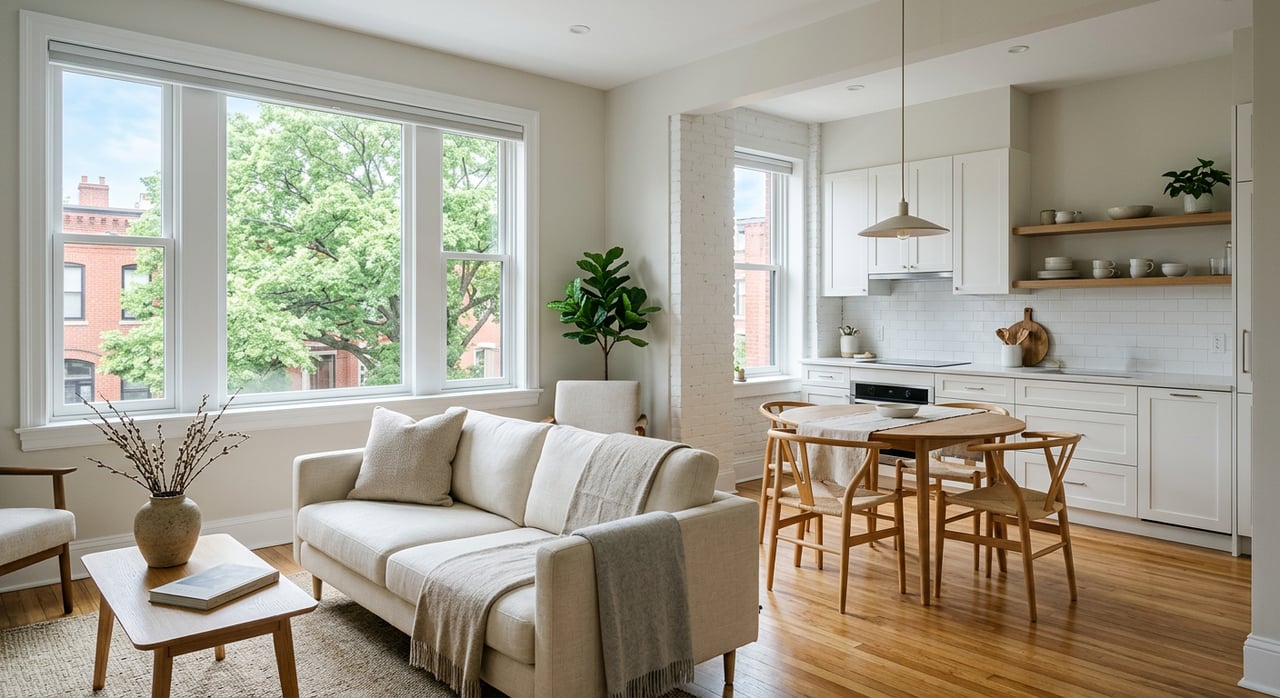
Are you dreaming of less upkeep without giving up the parkside lifestyle you love? If you live near Delaware Park in 14214, right-sizing can free up time and simplify your budget while keeping you close to trails, the Rose Garden, and neighborhood coffee stops. You want practical options, clear numbers, and a smooth plan to sell, buy, and move with confidence. In this guide, you’ll learn the pros and cons of smaller single-family homes, condos, and townhomes near Delaware Park, what monthly costs to expect in Buffalo’s climate, and how to time the sale that funds your next chapter. Let’s dive in.
Why downsize near Delaware Park
Living near Delaware Park puts you close to cultural anchors, year-round recreation, and leafy streets that make daily life feel easy. The park’s setting is a major draw, which supports steady buyer interest for nearby housing.
For context, the 2024 ACS 5-year estimate shows the median value of owner-occupied housing in ZIP 14214 at about $240,800. That is a helpful long-run baseline for the neighborhood and a starting point for planning. You can see the profile in the latest American Community Survey summary for 14214 on Census Reporter. Values and activity change at the block level, so your best next step is a current Comparative Market Analysis for your home.
Buffalo-area market reports in recent years have shown healthy activity, but micro-markets near the park can move differently by street, property type, and condition. If you want an accurate sale price and timing plan, ask a local expert for up-to-date comps and absorption trends.
Your main housing options in 14214
Smaller single-family homes
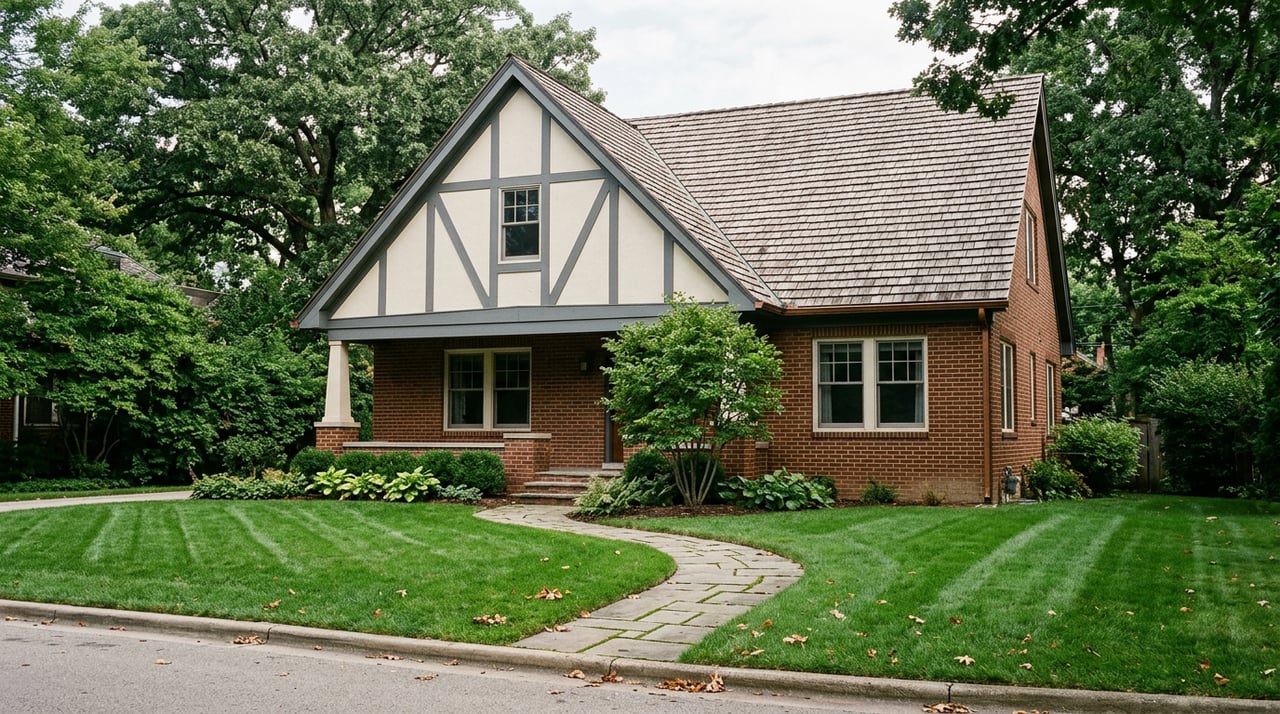
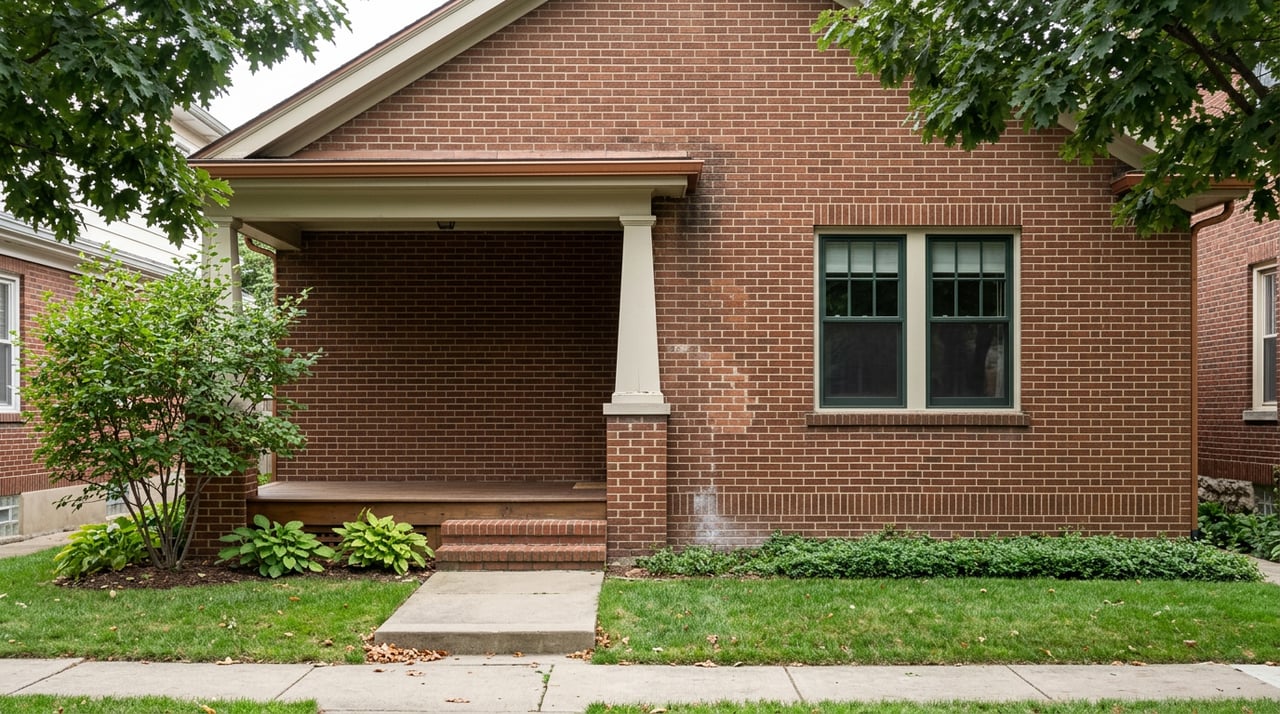
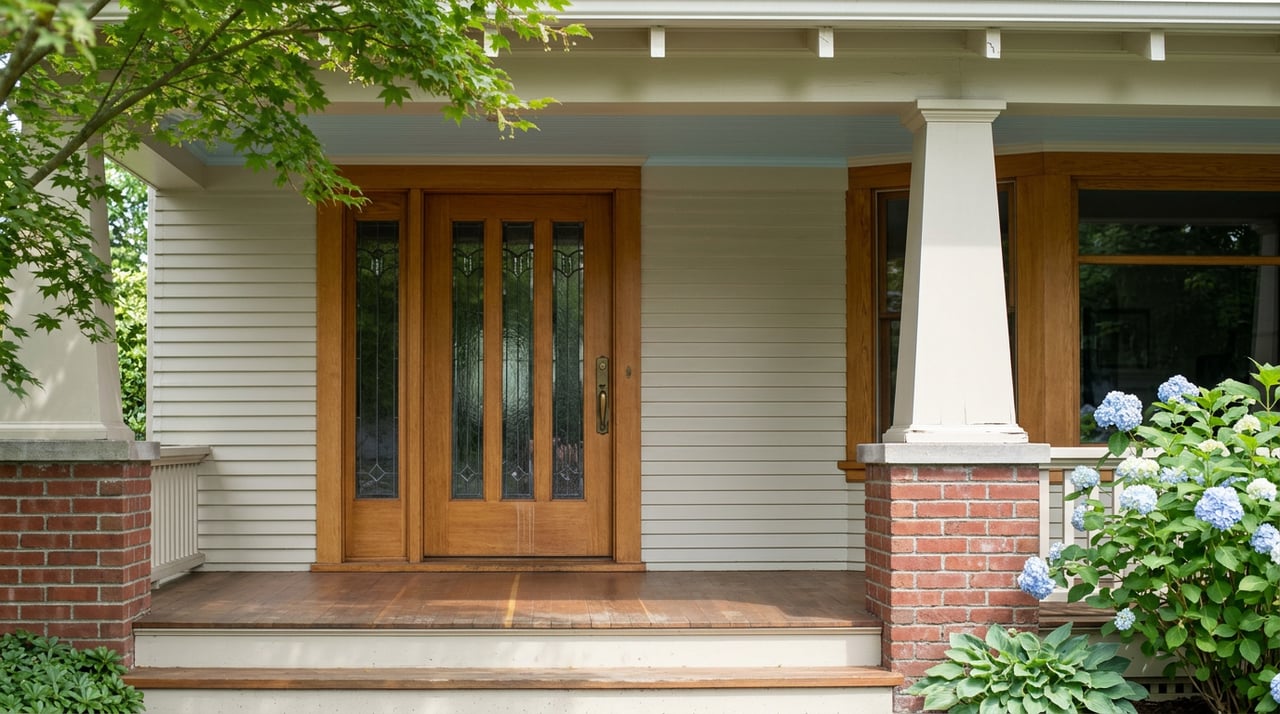
What you’ll find: Early-20th-century bungalows, cottages, and smaller Victorians are common around Elmwood Village, Parkside, and adjacent pockets. Many have compact footprints suited to one or two bedrooms, with potential to adapt spaces for single-level living.
Pros:
- Private yard and green space.
- No HOA, so you control rules and improvements.
- Often lower purchase price than new-build options nearby.
- Flexible layouts for accessibility upgrades.
Cons and maintenance:
- You handle all exterior care: roof, gutters, siding, windows, lawn, and snow.
- In Buffalo, sidewalk snow and ice removal is typically a property owner’s responsibility unless an HOA covers it. Plan for winter equipment or a service.
- Older homes can need system updates over time.
See Buffalo’s sidewalk snow rules
Practical flags to check:
- Age and condition of roof, furnace or boiler, electrical, and windows.
- Any basement water intrusion or grading issues.
- Feasibility of first-floor bedroom or bath if you want single-level living later.
Condominiums near Elmwood and Parkside
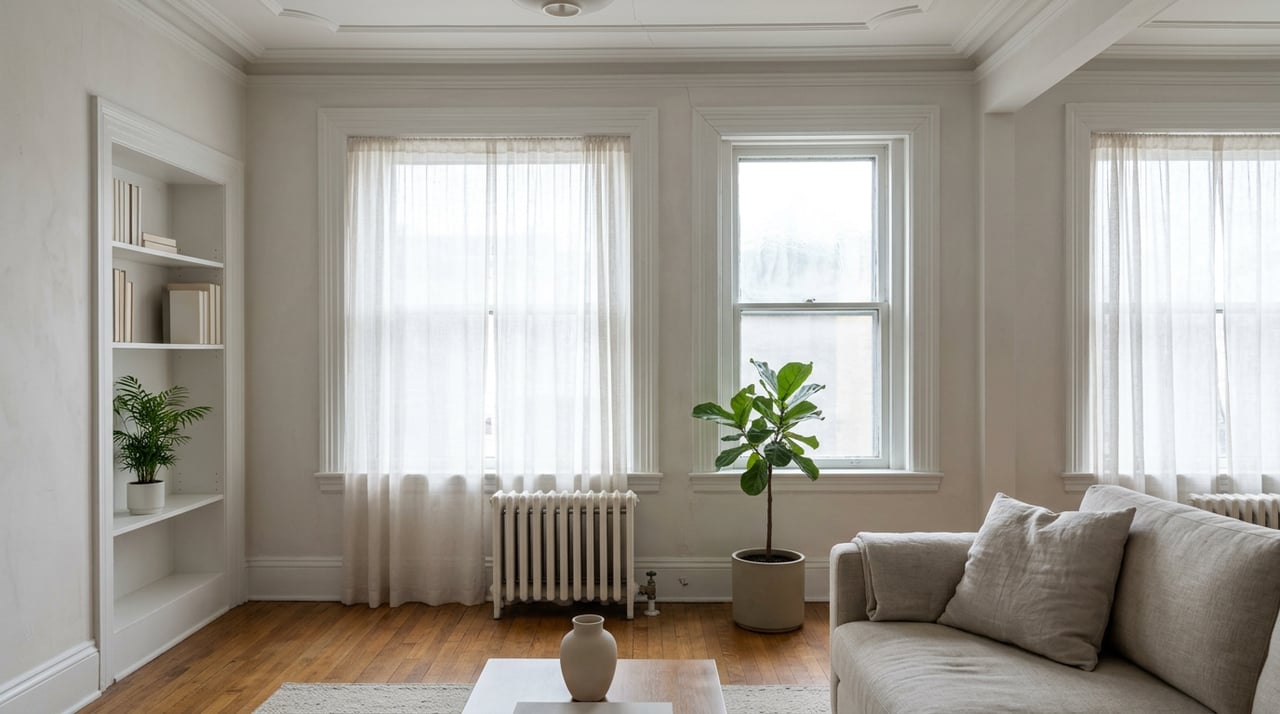
What you’ll find: Low-rise conversions and smaller purpose-built buildings within walking distance of cafés, museums, and retail. Floor plans often offer one-level living with elevator or limited stairs, plus storage and off-street parking in some buildings.
Pros:
- Lower exterior maintenance because the HOA handles common areas and building systems.
- Often better walkability to amenities.
- Predictable routines for winter: snow removal, grounds, and common entries usually covered by the HOA.
Cons and costs:
- Monthly HOA dues add to your carrying costs and vary based on amenities and what utilities are included.
- Building-level rules can affect pets, rentals, renovations, and storage.
- Financing depends on the building’s financials and governance. Lenders review owner-occupancy, reserves, litigation, and more. Some buildings may not qualify for certain loan programs.
Must-review condo documents:
- Current annual budget and reserve study.
- Recent meeting minutes and any special assessments.
- Insurance certificates and coverage levels.
- Owner-occupancy and investor ratios, plus delinquency rates.
Learn what lenders review in condo projects
Townhomes and rowhomes
What you’ll find: Attached homes and rowhomes appear in select Elmwood-area pockets. Some are fee-simple with minimal shared spaces, while others belong to small HOAs.
Pros:
- House-like feel with private entries and multiple levels.
- Reduced yard work if an HOA handles landscaping or snow.
- Often simpler financing than large multi-unit condos.
Cons and responsibilities:
- HOA coverage varies. You may still be responsible for roofs, driveways, or windows.
- Multi-level layouts can be less convenient if you prefer one-level living.
What it will really cost each month
You want a clear picture of your ongoing costs before you move. Create a side-by-side comparison that includes mortgage or cash uses, property taxes, insurance, HOA dues if applicable, utilities, and a maintenance reserve.
- Maintenance reserve: A simple planning rule is to set aside about 1 percent of home value per year for upkeep. Older homes may require more, and condos shift some of that cost into HOA dues and occasional assessments.
- Winter costs: Expect higher seasonal heating and winterization costs. For single-family or fee-simple townhomes, factor in snow removal services or equipment. Sidewalk snow obligations typically rest with the owner unless covered by an HOA.
Read more on setting a home maintenance budget
Quick guide to who pays for what:
- Condos: HOA usually covers building exterior, roof, common areas, landscaping, and snow. You cover interior systems and contents insurance.
- Townhomes in HOAs: Coverage varies widely. Some associations handle landscaping and snow only. Confirm roof, siding, and driveway responsibilities in writing.
- Fee-simple single-family: You handle all exterior and site work. Consider a service plan for heating systems and a seasonal checklist.
Funding your downsize and timing it right
Major seller costs to model: Real estate commissions are typically the largest single expense. Many summaries place the historical total around 5 to 6 percent of the sale price, with total seller transaction costs often landing in a 6 to 10 percent planning range once you add closing fees, prep work, and moving costs. Local practice varies, so ask for a detailed net sheet for your home.
Understand typical commission and seller costs
Tax basics: If you qualify for the federal primary-residence exclusion, you may exclude up to $250,000 of gain if single or $500,000 if married filing jointly, provided you meet ownership and use tests. Special situations, like prior rental use or significant depreciation, require professional guidance.
Review the IRS primary residence exclusion
Timing strategies:
- Sell first, then buy: Maximizes certainty about proceeds and reduces the risk of carrying two homes. You may need a short-term rental or flexible closing.
- Buy first, then sell: Allows a seamless move but requires more liquidity and can increase carrying costs. Ask your lender about bridge-style options and eligibility.
- Cash flow check: Whatever your path, confirm monthly affordability, including HOA dues, utilities, and a maintenance reserve.
Alternative for age 62+: A federally insured reverse mortgage can convert home equity to cash without monthly mortgage payments while you live in the home. It has specific eligibility, counseling, and cost rules, and it can affect inheritance. Consider it alongside a sale to decide which path delivers the simplicity and predictability you want.
Read a nonpartisan overview of reverse mortgages
Local resources
- Buffalo Olmsted Parks Conservancy: current park maps, programs, and updates. Explore Delaware Park
- Erie County Department of Senior Services: referrals for aging-in-place supports, housing resources, and counseling. Get local guidance
- Buffalo Niagara Association of REALTORS: market statistics to frame regional context. View BNAR stats
Your next steps
- Request a current Comparative Market Analysis to price your home accurately and plan timing.
- Schedule a pre-listing inspection to identify repairs that deliver the best return. Prioritize safety, systems, and curb appeal. Light staging and professional photos can lift your outcome.
- If you are considering condos or townhomes, obtain the HOA budget, reserve study, insurance certificates, and meeting minutes. Ask your lender early about the building’s eligibility for your loan type.
- Meet with a trusted CPA or financial advisor to confirm tax implications and how proceeds fit into your retirement plan.
- Tour target blocks on foot at different times of day to confirm the walkability and routines you want near the park.
- Get preapproved with a local lender and run a full monthly budget that includes HOA dues, utilities, and a maintenance reserve.
Ready to chart a low-stress path to right-size living near Delaware Park? Let’s talk through your options, run the numbers, and map a clear sale-to-purchase timeline. Reach out to Susan Lenahan for a free home valuation and neighborhood strategy you can trust.
FAQs
How do 14214 home values compare if I am downsizing near Delaware Park?
- The 2024 ACS estimate places the median value of owner-occupied housing in 14214 around $240,800. Your home’s value depends on condition, location, and features, so request a current CMA for precise pricing.
What should I review in a condo HOA before buying near the park?
- Ask for the budget, reserve study, meeting minutes, insurance, owner-occupancy ratios, and any planned capital projects. Weak reserves or active assessments can increase monthly costs.
Will a smaller home always lower my monthly costs in Buffalo?
- Not always. A condo can reduce hands-on maintenance but add HOA dues. Run a full comparison that includes taxes, insurance, utilities, HOA dues, and a maintenance reserve.
How do winter responsibilities change if I move from a house to a condo or townhome?
- Many condos and some townhome HOAs include snow removal and landscaping. Fee-simple homes usually require you to handle sidewalks and driveways. Confirm coverage in writing.
Are condos easy to finance in 14214 and near Delaware Park?
- Financing depends on the building. Lenders review the HOA’s reserves, owner-occupancy, litigation, and more. Verify project eligibility with your lender before you commit.