If you own a home in Starin Central, it is easy to wonder where your money should go first. In an older Buffalo-area housing stock, the smartest updates are not always the flashiest ones. When winters bring snow, thaw cycles, and rain, the best priority list usually starts with protecting the house itself. Here is how to focus your maintenance and update budget on the projects that matter most in Starin Central.
Why priorities matter in Starin Central
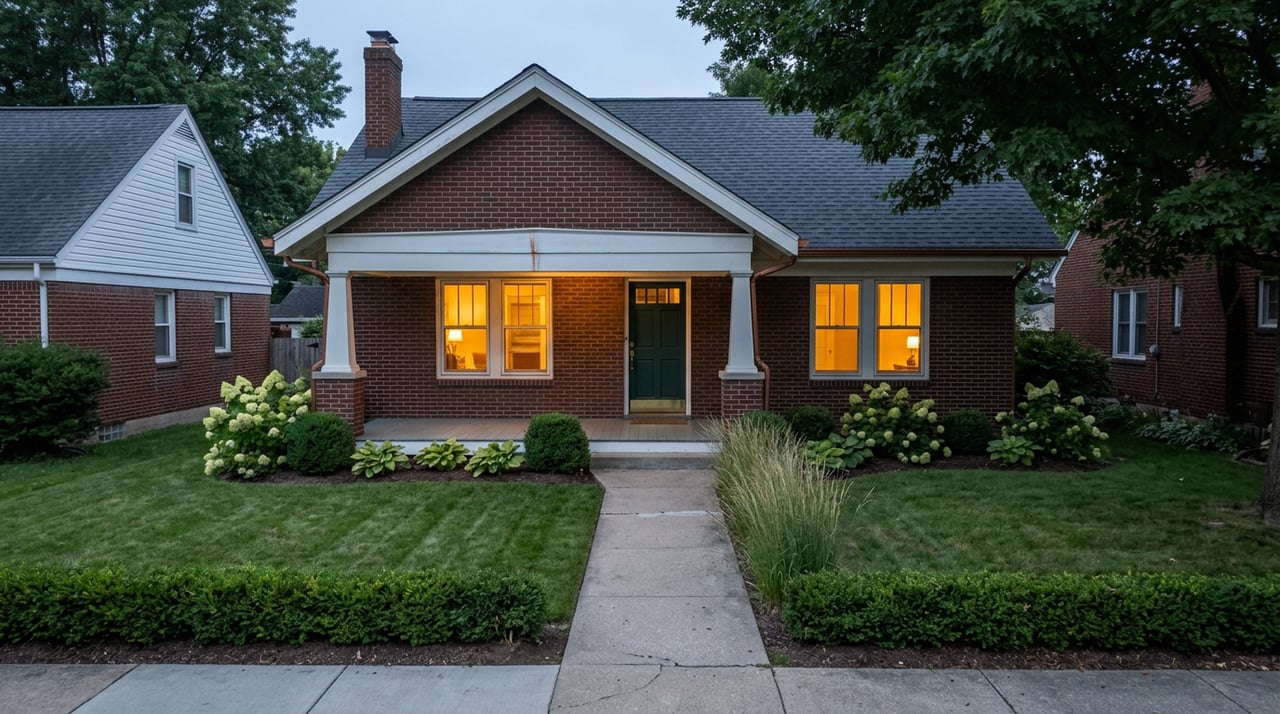
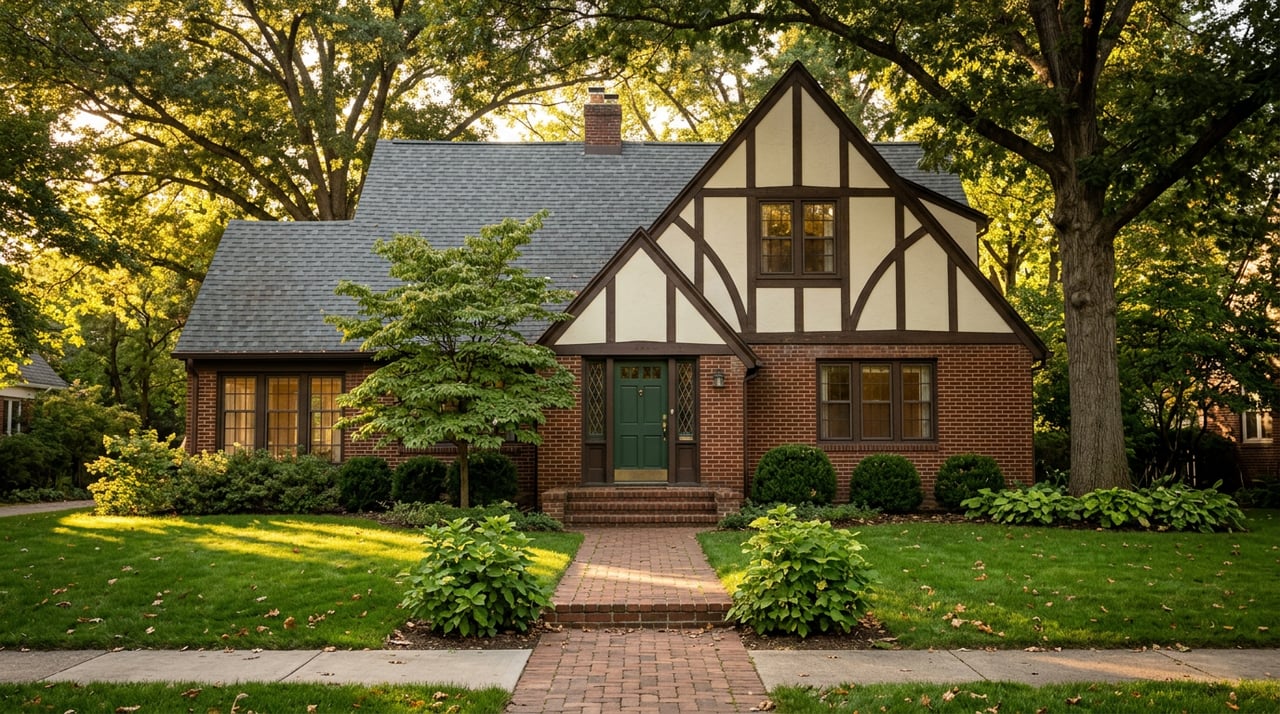
Starin Central is part of North Buffalo, an area known for tree-lined streets and charming single-family homes, according to Apartments.com’s local guide. That charm often comes with older construction details and more maintenance needs over time. Buffalo’s broader housing stock is also notably older, with HUD reporting that 60% of city housing units were built before 1940.
That age matters because older homes often need careful upkeep to stay comfortable, efficient, and market-ready. It also matters because Western New York weather is tough on roofs, gutters, insulation, and mechanical systems. The National Weather Service for Buffalo describes the region’s winters as cold, snowy, and changeable, with frequent thaws and rain along with lake-effect snow.
Start with roof and drainage
If you are deciding what to fix first, begin at the top of the house. Roof leaks, drainage problems, and attic heat loss can lead to repeat damage if they are left alone. These issues can affect ceilings, walls, insulation, and even indoor air quality.
Why ice dams are such a concern
In snowy climates with freeze-thaw cycles, ice dams are a major risk. The University of Minnesota Extension explains that ice dams form when heat escaping from the house warms part of the roof, melts snow, and then allows water to refreeze at the colder roof edge. That trapped water can back up under shingles and leak into the home.
For homeowners in Starin Central, this means structural protection should come before cosmetic upgrades. A fresh kitchen backsplash will not help much if water is getting behind walls or into insulation. When the basics are handled first, you reduce the risk of bigger repair bills later.
What to address first
The most practical maintenance order is usually:
- Clear gutters and downspouts
- Check for roof wear or leaks
- Remove excess roof snow when needed with a roof rake
- Improve attic air sealing and insulation
- Check attic ventilation
- Make sure water drains away from the house
The National Weather Service guidance on roof ice dams supports this same sequence, especially in climates with heavy snow and thawing conditions.
Why this matters for resale
If you plan to sell, roofing issues are not just maintenance concerns. They are also visible to buyers and inspectors. The 2025 NARI Remodeling Impact Report says Realtors most often recommend new roofing before listing, and the 2024 Cost vs. Value report shows asphalt roof replacement recouped 57% of cost nationally.
That does not mean every seller needs a new roof. It does mean obvious roof issues tend to move to the front of the list because they shape buyer confidence from the start.
Improve attic insulation and air sealing
Once the roof and drainage system are under control, the next high-value step is often the attic and the building envelope. This is where many older homes lose heat. It is also where comfort problems often begin.
According to ENERGY STAR, sealing air leaks and adding insulation can save up to 10% on annual energy bills. The U.S. Department of Energy also notes that major leaks are often found around penetrations, chimneys, recessed lights, and unfinished spaces, not just around doors and windows.
Why this should come before major upgrades
Many homeowners jump straight to windows or equipment replacement. In older homes, that is not always the most cost-effective first move. If warm air is escaping through the attic or unfinished spaces, you may still feel drafts and uneven temperatures even after spending money elsewhere.
NYSERDA also emphasizes that air sealing and insulation are especially useful when you notice drafts, moisture issues, or uneven room temperatures. It is often the right foundational step before other efficiency upgrades.
Take a staged approach to windows
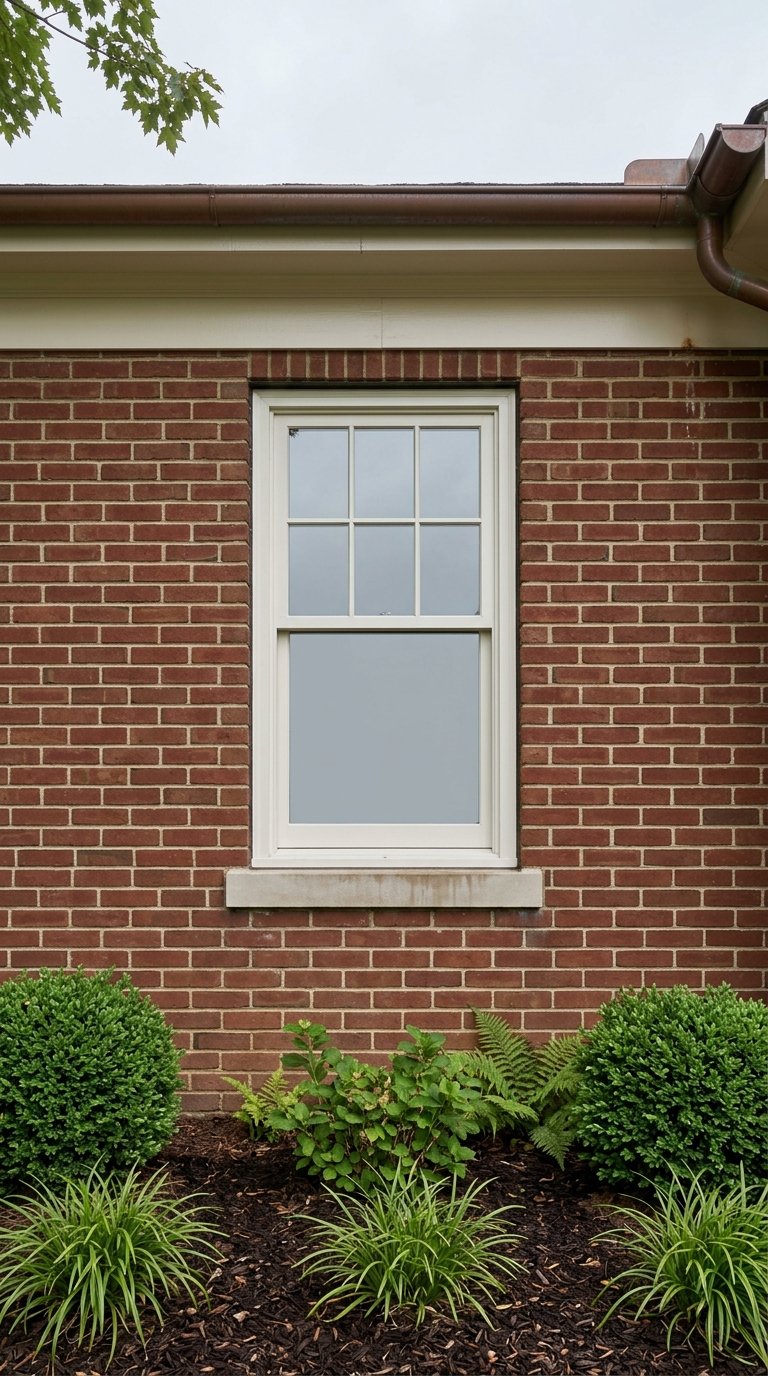
Windows are a common concern in older Starin Central homes, but full replacement is not always the best first answer. If your windows are drafty, hard to operate, or visibly deteriorated, they may need attention. Still, there are usually a few levels of response before a full-house replacement project.
Start with lower-cost fixes
The Department of Energy says leaky windows can often be improved with weatherstripping or storm windows before full replacement. ENERGY STAR also notes that certified storm windows can be a cost-effective choice for low-rise homes and for homes where preserving original features matters.
This is especially helpful in older homes where the goal is better comfort and efficiency without taking on a much larger renovation budget. ENERGY STAR estimates certified storm windows can save about 20% on annual heating and cooling bills when installed over single-pane clear glass windows, and may pay back the added cost in about three years.
Know when replacement makes sense
Full replacement may be worth considering when windows are failed, unsafe, or difficult to use. It can also support comfort and resale appeal. But ENERGY STAR notes that replacement windows usually do not pay for themselves through energy savings alone.
For many Starin Central homeowners, the practical path is simple: seal and insulate first, improve existing windows where possible, and replace only the windows that truly need it.
Be careful with pre-1978 homes
If your home was built before 1978, window work requires extra care. The EPA lead safety booklet explains that older homes often contain lead-based paint, and windows and window sills are common hazard locations.
If renovation work will disturb painted surfaces, EPA advises using lead-safe practices and hiring Lead-Safe Certified firms when bringing in a contractor. That is an important step for both safety and proper project planning.
Keep heating systems reliable
In a cold-weather market like Buffalo, heating reliability matters. A furnace or heat pump that is not maintained can cost more to run and may be more likely to fail when you need it most.
ENERGY STAR’s HVAC maintenance checklist recommends annual pre-season checkups and monthly filter changes. The Department of Energy also says furnaces and heat pumps should receive professional maintenance each year.
What to prioritize
If your system is working, focus on maintenance first:
- Schedule an annual professional tune-up
- Replace filters monthly as needed
- Watch for uneven temperatures or unusual noise
- Pair system maintenance with air sealing and insulation improvements
Dirty filters can raise energy costs and damage equipment, according to ENERGY STAR. For many homes, steady maintenance and better weatherization can improve comfort without rushing into a major equipment replacement.
Focus interior updates on visible function
After you handle the home’s protective systems, you can turn to cosmetic and interior improvements. If resale is the goal, smaller, targeted updates usually make more sense than a luxury overhaul.
The 2025 NARI Remodeling Impact Report says Realtors most often recommend painting the entire home, painting a single interior room, and installing new roofing before listing. The same report also found strong demand increases tied to kitchen upgrades, new roofing, and bathroom renovations.
Choose midrange over major
The 2024 Cost vs. Value report supports a staged, practical approach. Nationally, a minor kitchen remodel recouped 96% of cost, a midrange bath remodel 74%, vinyl window replacement 67%, and asphalt roof replacement 57%.
By comparison, a major midrange kitchen remodel recouped 50%, while an upscale major kitchen remodel recouped 38%. That is why function-first updates are often the safer bet when your goal is market appeal and solid return.
Smart update priorities for sellers
If you are preparing to list with a limited budget, focus on:
- Paint where walls look tired or dated
- Roofing repairs or replacement if needed
- Basic bathroom refreshes
- Minor kitchen improvements rather than a full gut remodel
- Repairs that improve function, safety, and buyer confidence
In a neighborhood with older homes, buyers often respond well to homes that feel cared for, dry, efficient, and move-in ready. Big spending is not always the answer. Clear maintenance and smart presentation usually go further.
A practical order of operations
If you want a simple way to prioritize your next steps, use this sequence:
- Stop active water issues with roof, gutter, and drainage work.
- Reduce heat loss through attic air sealing, insulation, and ventilation checks.
- Stabilize windows with weatherstripping, caulk, or storm windows where appropriate.
- Service heating equipment so the house runs reliably.
- Refresh visible interiors with paint and targeted kitchen or bath updates.
This order helps you protect the home first, improve comfort second, and spend more wisely on appearance after the essentials are handled.
How local guidance can help
Every Starin Central home has its own mix of age, condition, and update history. Some owners need to solve winter moisture issues first. Others may be deciding which improvements matter most before listing. In either case, a neighborhood-specific plan can keep you from overspending on the wrong project.
That is where local experience matters. If you are deciding what to fix now, what to leave alone, and what buyers are likely to notice, Susan Lenahan can help you build a practical home valuation and neighborhood strategy around your property, timeline, and goals.
FAQs
What should I fix first in a Starin Central home?
- Start with roof leaks, drainage issues, gutter problems, and attic heat loss, because these items protect the structure and can prevent repeat damage.
Are new windows always worth it in older Buffalo homes?
- No. Weatherstripping, caulk, and storm windows are often the better first step, while full replacement is usually best when windows are failed, unsafe, or hard to operate.
What home updates usually matter most before listing in Starin Central?
- Paint, roofing if needed, and one or two midrange kitchen or bathroom refreshes are usually more practical than a major luxury remodel.
Why do ice dams matter for Starin Central homeowners?
- Ice dams can force water back under shingles and into ceilings, walls, and insulation, which can lead to moisture damage and mold.
What should I know before replacing windows in a pre-1978 home?
- If window work will disturb painted surfaces, use lead-safe practices and hire a Lead-Safe Certified firm when bringing in a contractor.