Thinking about moving to Buffalo and wondering where you’ll feel at home fast? If you want a walkable neighborhood with character, parks, and everyday convenience, Elmwood Village rises to the top of many shortlists. You get a lively main street, historic homes, and cultural anchors that make daily life feel rich and connected. In this guide, you’ll learn what makes Elmwood Village stand out, what homes you’ll find, how you’ll get around, and how to decide if it fits your lifestyle. Let’s dive in.
Elmwood Village at a glance
Elmwood Village centers on Elmwood Avenue, a tree-lined corridor known for neighborhood shops, cafés, and community events. The American Planning Association named it one of its Great Neighborhoods in America for its mixed-use vitality and historic streetscape. You see it in the way storefronts meet the sidewalk and how the area prioritizes walkability and preservation. APA’s profile of Elmwood Village captures this identity well.
Community is a visible part of daily life. The Elmwood Village Association supports streetscape improvements and a robust calendar of events that keep the neighborhood active spring through fall. It feels like an urban village where you can handle errands on foot, grab coffee with a neighbor, or stroll to a concert just a few blocks from home. You can browse current activities through the Elmwood Village Association’s event listings.
Homes and architecture you’ll find
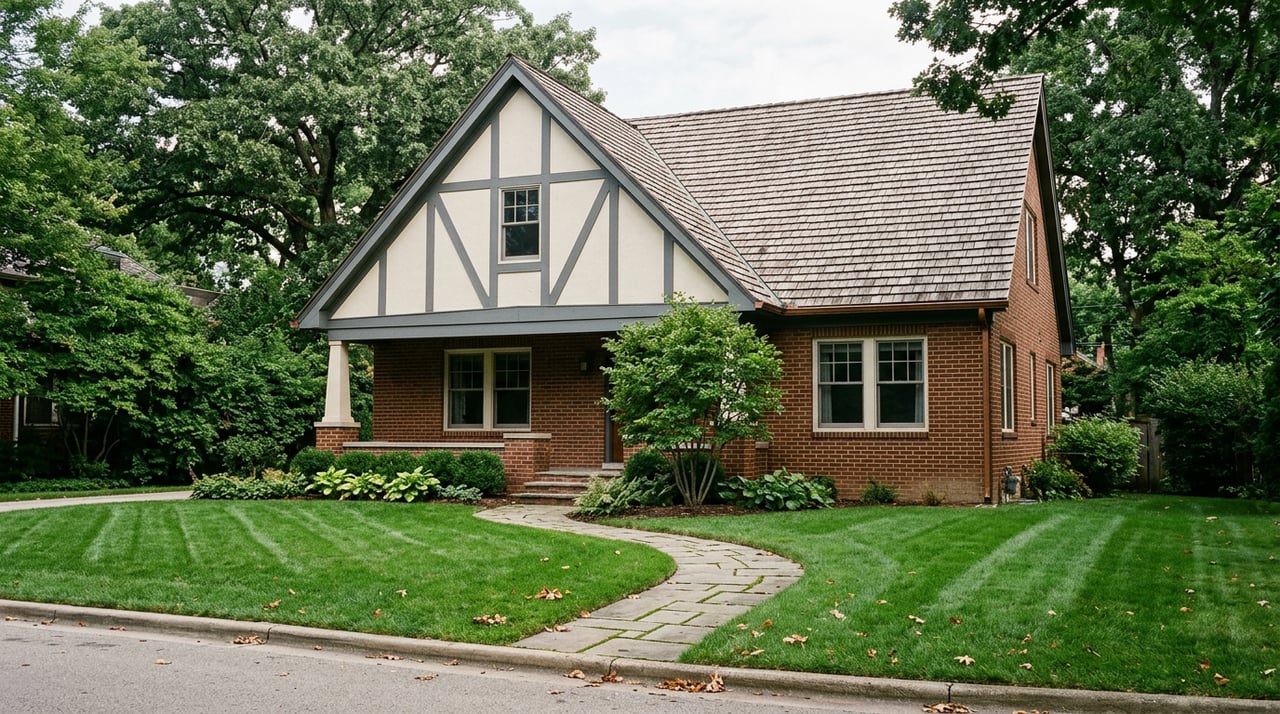
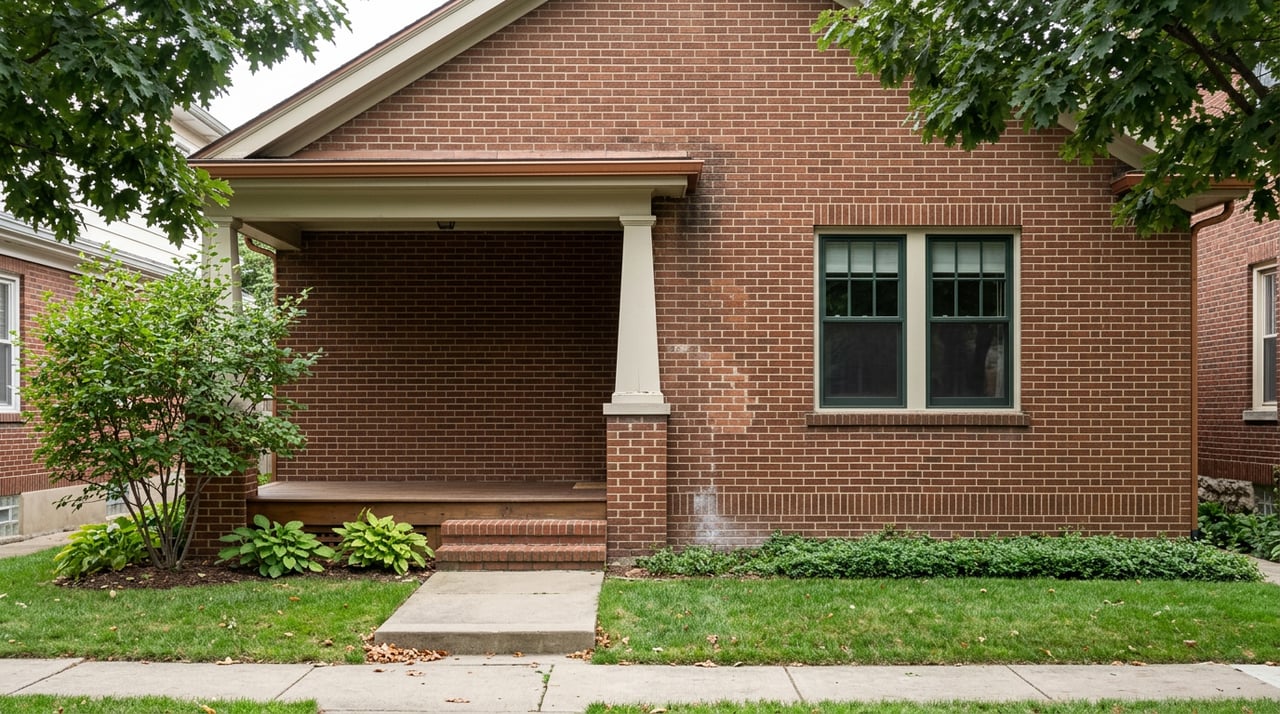
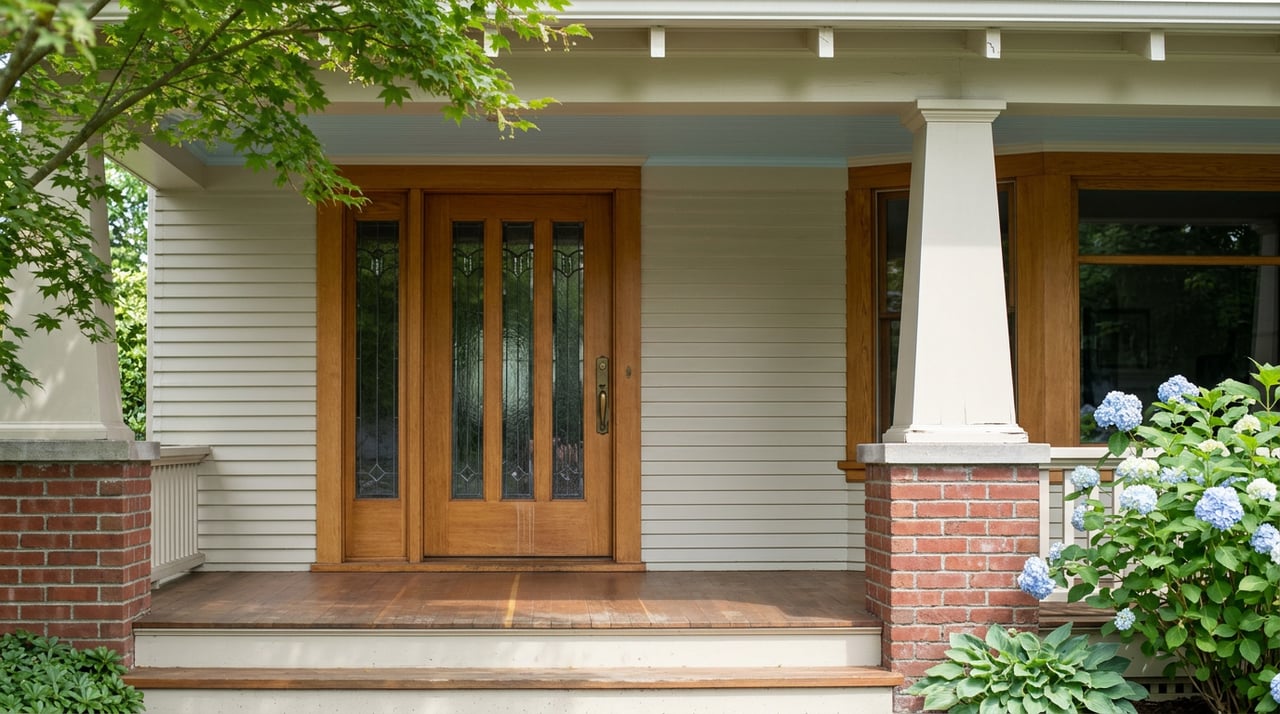
If you love character, Elmwood’s housing stock delivers. Most homes date from the late 19th and early 20th centuries, including Victorian, Queen Anne, Colonial Revival, and early Craftsman styles. You’ll also find rowhouses, small apartment buildings, and a growing number of infill condos and townhomes. Streets are walkable, lots tend to be modest, and many properties blend original details with modern updates. The APA notes this blend of mixed-use design and preserved streetscapes as a core strength of the neighborhood. You can explore the area’s architectural legacy with sites like the Darwin D. Martin House nearby.
What to expect in today’s market
Recent neighborhood snapshots show Elmwood Village as a competitive, relatively tight-inventory market. Median sale prices have tracked in the mid to high $300,000s in late 2025 and early 2026, with wide variation by block, property type, and condition. Desirable, turnkey historic homes and well-renovated units tend to draw strong attention. Pricing often reflects proximity to parks and amenities, lot configuration, and the level of historic detail that has been preserved.
Prefer low maintenance?
If you want historic charm without heavy upkeep, look for renovated units or newer infill condos and townhomes. Adaptive-reuse projects in the corridor, including planned options at Elmwood Crossing, provide alternatives to larger single-family houses. These properties can deliver the walkable lifestyle with an easier maintenance profile.
Daily life and amenities
Elmwood Village sits next to Buffalo’s Olmsted-designed park system. Delaware Park, with Hoyt Lake and the Rose Garden, is a daily favorite for walking, running, biking, and weekend picnics. The neighborhood’s green parkways, including Lincoln, Bidwell, and Chapin, add beauty and easy access to outdoor space. The APA’s Great Neighborhoods profile highlights these park connections as a defining feature.
Music, markets, and more keep the area buzzing. The Bidwell Parkway hosts a long-running farmers market on spring-to-fall Saturdays and a summer concert series that brings neighbors together. Check the Elmwood Village Association calendar for dates and details before you visit.
Culture is part of the fabric here. The Buffalo AKG Art Museum on Elmwood Avenue reopened after a major expansion and anchors a broader museum district near Delaware Park. The area also supports recurring arts events and galleries that add energy to weekends and evenings. On Elmwood Avenue itself, you can explore an extensive mix of independent shops, restaurants, and cafés that support daily living without getting in the car.
Getting around
Many residents choose Elmwood Village because it works for multiple commute styles. If you rely on transit, the NFTA system includes bus routes along Elmwood Avenue with connections to the Metro Rail. Schedules and transfer points change, so it pays to verify your door-to-work time using the NFTA Metro schedules and test rides during your typical commute windows. For broader context on routes and transfer patterns, Wikivoyage’s Elmwood Village guide is a helpful primer.
If you drive, common routes link Elmwood to downtown and key job centers in roughly 10 to 20 minutes, depending on traffic and time of day. Many neighborhood listings and corporate-housing pages cite a roughly 20- to 30-minute trip to Buffalo Niagara International Airport from Elmwood addresses. For a real-world reference, corporate travel guides often note a ~20-minute drive in ordinary traffic, similar to what you’ll see on corporate travel listings for Elmwood Village. Always test your own peak-hour route if a specific commute matters to you.
Parking varies by block. The commercial stretch is oriented to the street, and many older homes have limited driveway or garage space. If you own more than one car or need off-street parking, review the property details and learn the street-parking rules for the block you’re considering. Local listings frequently call this out.
Is Elmwood Village the right fit?
Elmwood Village tends to attract people who value:
- Walkable daily life. Many homes sit steps from grocers, cafés, and services, along with frequent neighborhood events that make it easy to feel plugged in.
- Park and cultural access. Delaware Park, nearby museums, and seasonal programs provide a steady stream of recreation and inspiration.
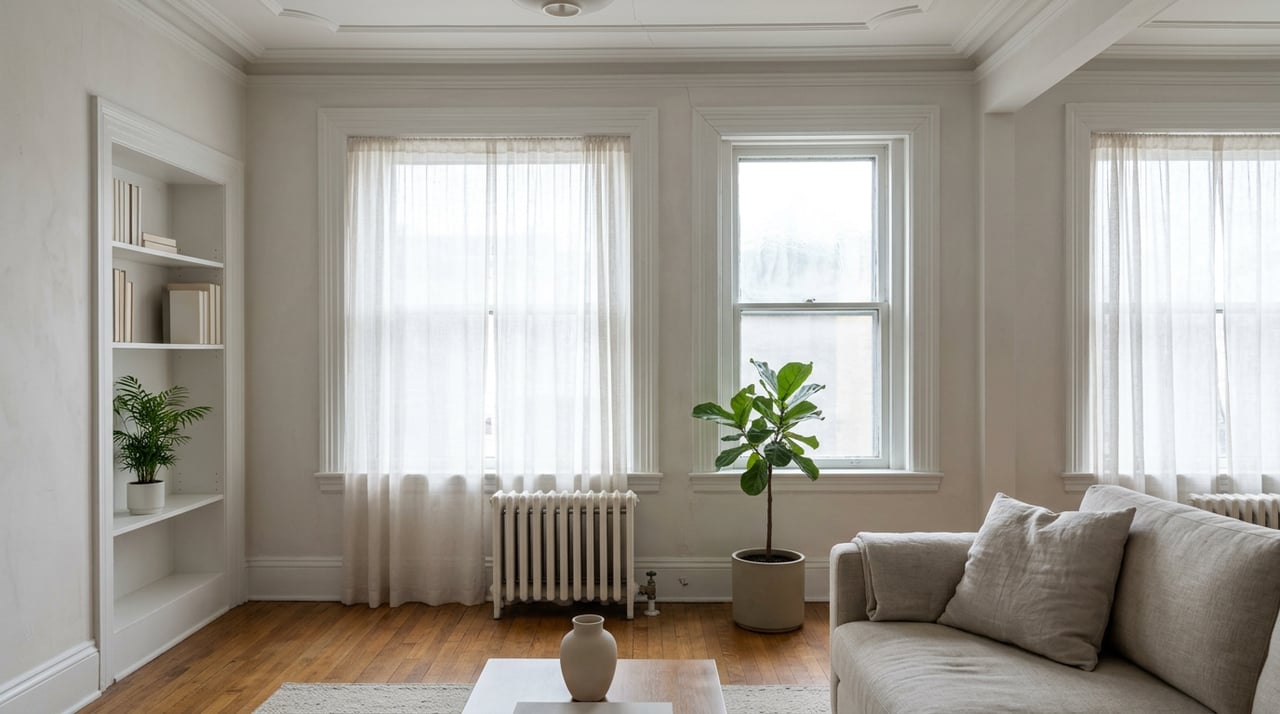
- Historic character. Buyers who appreciate original woodwork, porches, and early 20th-century architecture often prioritize this neighborhood.
- Lower-maintenance alternatives. Renovated condos and townhomes near the strip can be a smart match for those who prefer less upkeep.
- Investment potential with caution. The rental market is active around the corridor, but pricing and building types vary block by block. Do your due diligence on cap rates and vacancy.
How Elmwood compares nearby
Elmwood Village vs Allentown
Allentown, just south of Elmwood, is Buffalo’s historic arts district with a strong gallery and nightlife scene. Elmwood offers a longer retail corridor and more direct park access. If you want a neighborhood feel that blends shopping, dining, and quick access to green space, Elmwood often wins. For arts-forward evenings in a slightly different vibe, Allentown is a close second and easy to visit any night of the week.
Elmwood Village vs Parkside and North Buffalo
Parkside and parts of North Buffalo, such as Hertel Avenue, lean more residential in feel. Lots can be larger, and the commercial areas are smaller-scale. Parkside also includes major landmarks like the Darwin D. Martin House. If you prefer a quieter street character with a neighborhood main street nearby, Parkside and North Buffalo are strong options. If you want a fully mixed-use environment and parkways right in the neighborhood, Elmwood is a good match.
Elmwood Village vs Downtown and Canalside
Downtown and Canalside are denser and centered around offices, entertainment, and the waterfront. Elmwood trades high rises for historic homes, tree canopy, and a neighborhood-first feel. With Elmwood, you can enjoy weekend waterfront visits while coming home to a calmer, park-connected setting.
Smart buyer checklist for Elmwood Village
- Price and competition. Review recent sales on the exact blocks you’re considering. Market snapshots show neighborhood medians in the mid to high $300,000s, but block-level variation is significant.
- Walkability and errands. Visit at the times you plan to live there. Morning coffee runs, evening dinners, and weekend groceries will tell you how a specific address feels in daily life.
- Schools and programs. Elmwood is close to magnet and private options in the broader city. Verify current attendance zones and application timelines with Buffalo Public Schools, and review details from program sites like the Buffalo Arts Academy.
- Transit and commute testing. Try your bus-and-transfer route during commute hours and confirm stop locations through NFTA Metro’s schedules. If you drive, test multiple paths during peak times to check travel reliability.
- Maintenance and renovation. Many homes are older with beautiful details that need care. Budget for inspection items like roofs, mechanicals, windows, and electrical or plumbing. For a data-minded starting point on local housing characteristics and buyer tips, see this neighborhood market-intelligence overview.
- Seasonal living. Buffalo winters are real. Plan for snow removal, realistic travel times, and the way you’ll use the neighborhood year-round.
Parks, arts, and everyday favorites
To preview neighborhood life on a weekend visit, try this simple loop:
- Morning walk across Bidwell Parkway to the farmers market in season, using the Elmwood Village Association’s calendar to check dates.
- Stroll north toward Delaware Park and Hoyt Lake for a mid-day run or picnic. The APA overview explains why these parkways are signature neighborhood features.
- Spend an afternoon at the Buffalo AKG Art Museum, then return down Elmwood for dinner and shopping.
You’ll get a clear feel for how the neighborhood flows on foot, which blocks you like best, and how far key amenities sit from the addresses you’re considering.
Next steps
If Elmwood Village sounds like your kind of place, take the next step with a focused neighborhood tour, a review of recent sales on your target blocks, and a commute test tailored to your schedule. For street-by-street guidance, current pricing context, and introductions to local resources, reach out to Susan Lenahan. As a long-time Buffalo broker and Accredited Relocation Specialist, Susan can help you compare homes, align timing with the market, and move with confidence.
FAQs
What makes Elmwood Village unique for relocators?
- You get a walkable, mixed-use main street, quick park access, and a strong calendar of community events, all within a historic neighborhood recognized by the American Planning Association.
How competitive is the Elmwood Village housing market right now?
- Recent snapshots show a competitive, tight-inventory market with medians in the mid to high $300,000s, and strong demand for renovated, historic homes; exact pricing varies by block and condition.
What are typical commutes from Elmwood Village?
- Many drives to downtown run about 10 to 20 minutes, and common estimates to Buffalo Niagara International Airport are roughly 20 to 30 minutes; always test your own route at peak times, and review NFTA schedules if you plan to use transit.
Are there lower-maintenance options near Elmwood Avenue?
- Yes. Renovated condos and townhomes, including adaptive-reuse options like Elmwood Crossing, can offer the walkable lifestyle with less upkeep than larger historic homes.
How close is Elmwood Village to major cultural institutions?
- The Buffalo AKG Art Museum sits on Elmwood Avenue by Delaware Park, and other museums are nearby, making arts and culture part of everyday life.
What should I budget for in an older Elmwood home?
- Plan for inspection-driven items such as roof and mechanical updates, plus windows, electrical, or plumbing as needed; older homes often require ongoing care, so factor this into your budget and timeline.