Selling a century-old Parkside home can feel like balancing history and modern expectations. You want to honor the character buyers love while clearing the inspection hurdles that come with age. In this guide, you’ll learn what Parkside buyers value, how to prioritize repairs, what New York requires you to disclose, and how to present your home for strong offers. Let’s dive in.
Why Parkside homes stand out
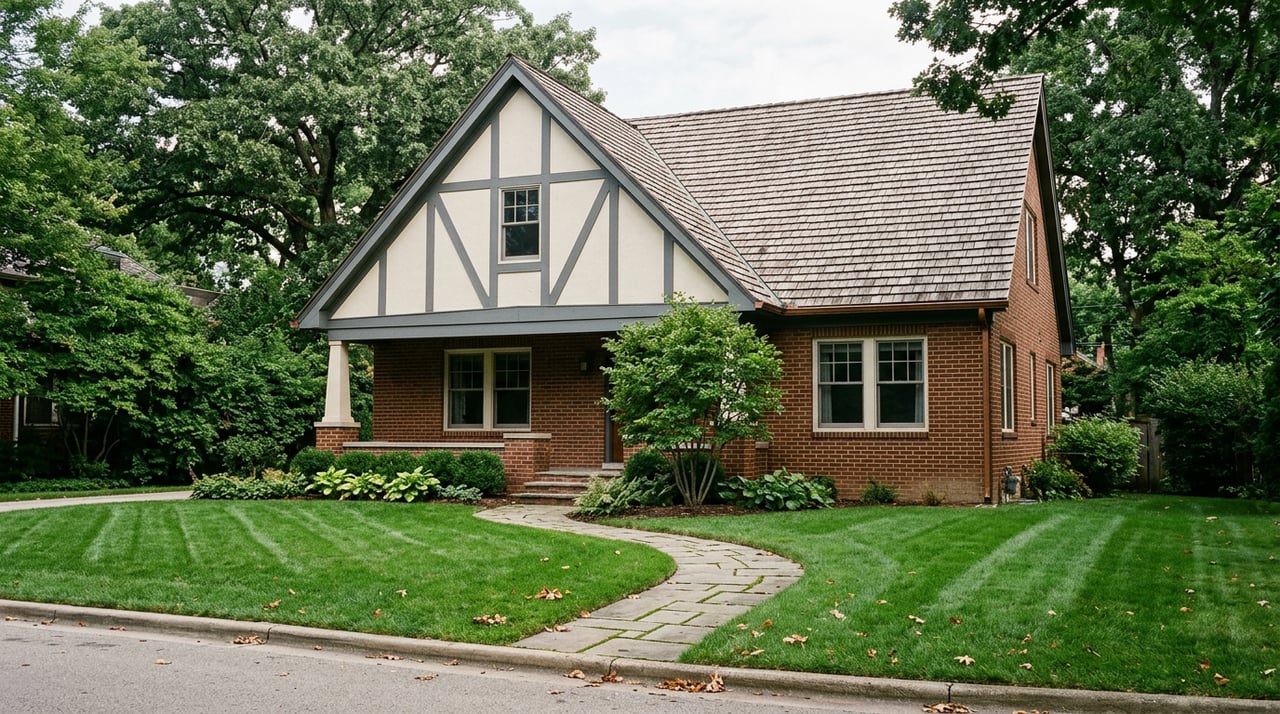
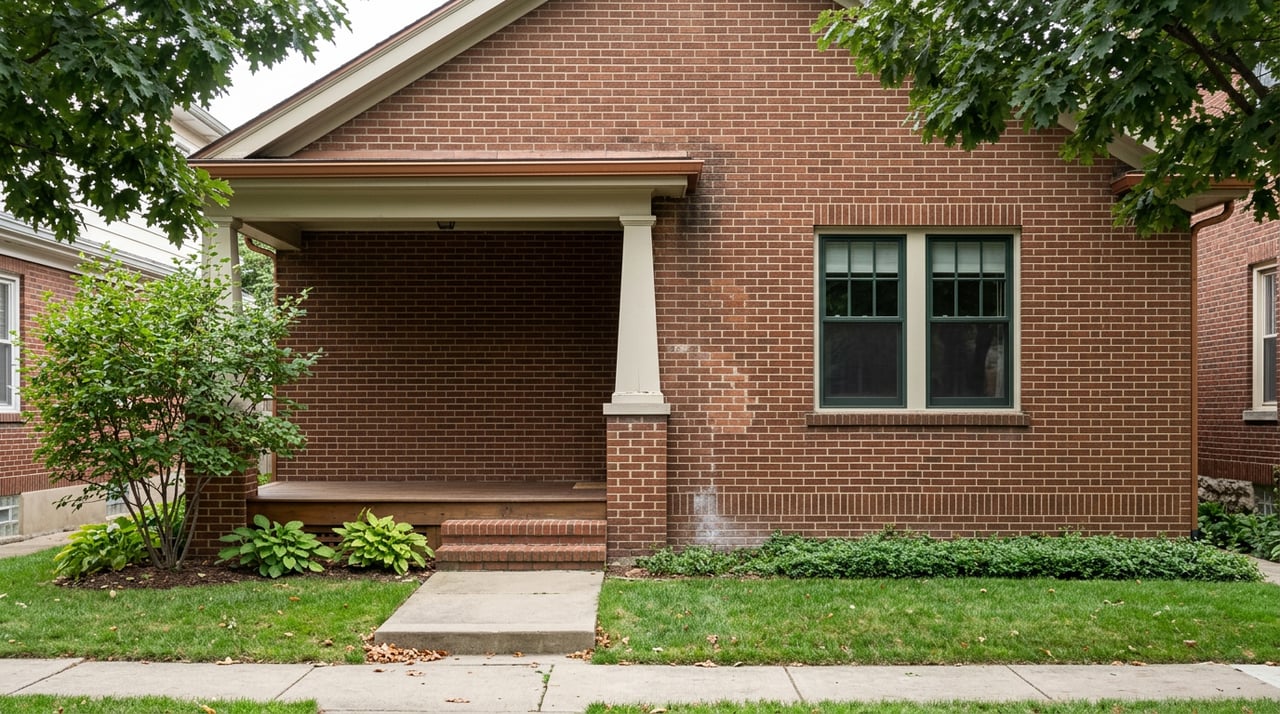
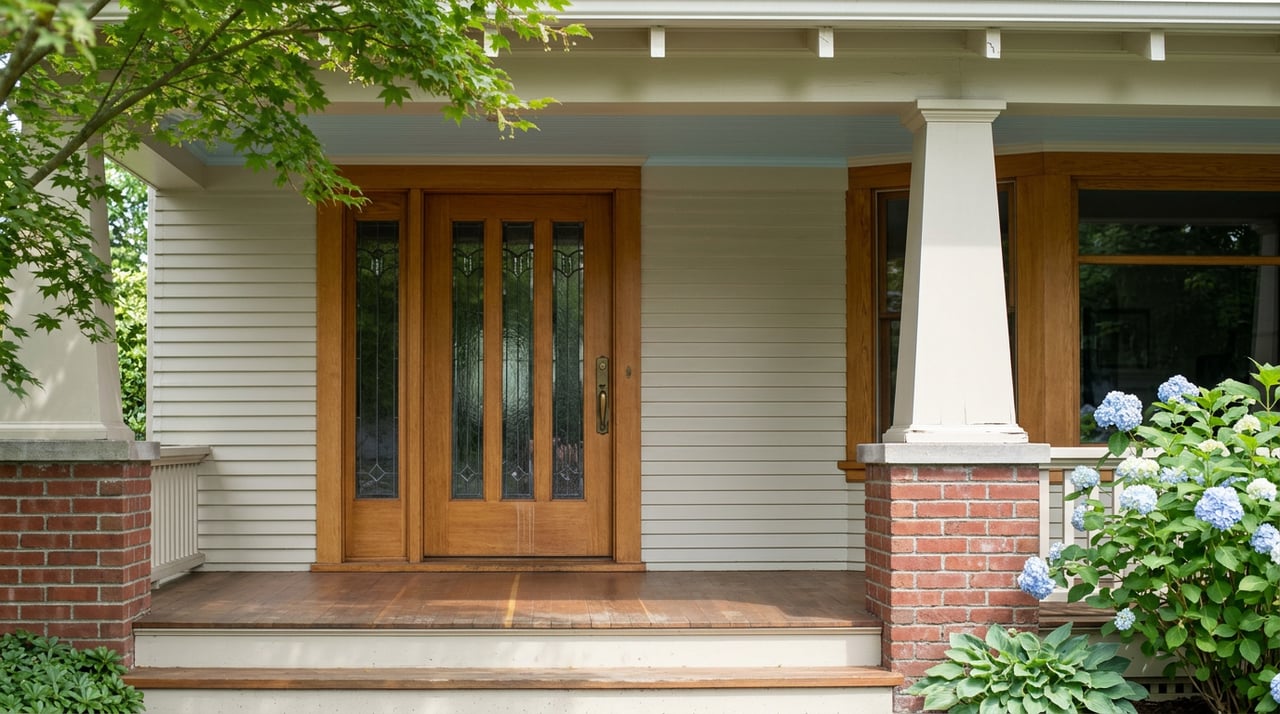
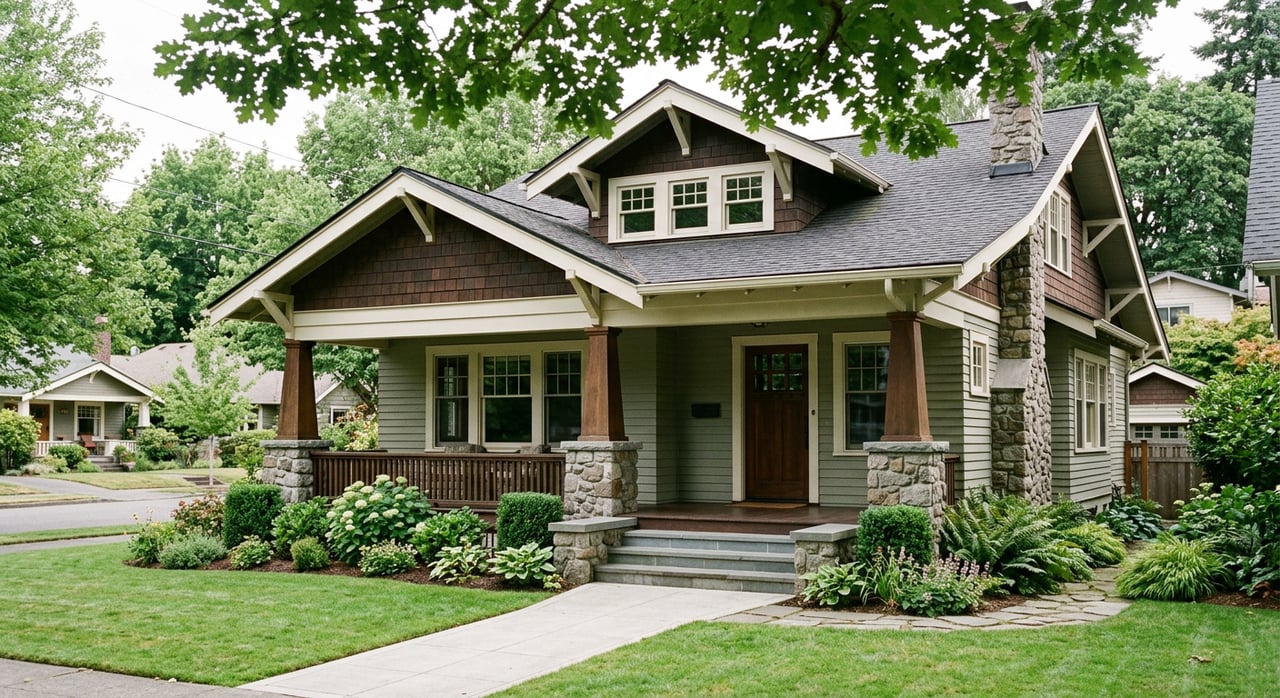
Parkside sits beside Delaware Park and includes nationally recognized historic districts. Many homes feature Craftsman and Prairie details, from rich woodwork to welcoming porches. If you highlight these features, you speak directly to what draws buyers here.
Buyers often look for original millwork, built-ins, stained or leaded glass, and a traditional porch. They also expect sound mechanicals and a well-insulated envelope for Buffalo winters. For a quick refresher on the neighborhood’s architectural roots, explore the Parkside history overview.
Know today’s market
The Parkside market has been competitive with short days on market in recent months. That pace rewards homes that show well, read as safe and solid, and come with clear documentation. Pricing and presentation should reflect both your home’s character and its condition, especially visible systems like electrical and roof.
Confirm historic status first
Before planning exterior work, confirm whether your property is part of a National Register district, such as Parkside East or West. You can start with a quick primer on the Parkside East Historic District. Then check City of Buffalo local landmark or district overlays, since local designation can require a Preservation Board review for exterior changes. See the City of Buffalo Preservation Board page for process and guidelines.
A simple status check up front helps you avoid delays later and ensures any curb-appeal upgrades meet local standards.
Pre-list inspections and required disclosures
New York requires specific disclosures and encourages thoughtful due diligence before market. Getting ahead of these steps reduces surprises and builds buyer confidence.
- Property Condition Disclosure Statement (PCDS). New York law requires sellers of 1–4 family homes to deliver a completed PCDS to the buyer or buyer’s agent before the buyer signs a binding contract. Review it early so you can answer questions about structure, systems, and environmental items. Access the official guidance and form through the New York Department of State.
- Lead-based paint disclosures for pre-1978 homes. Provide the EPA/HUD pamphlet and a written lead disclosure addendum. Buyers must have the option to test during inspections. Learn more from the EPA lead-based paint disclosure rule.
- Consider a seller’s inspection. A pre-list general inspection helps you spot deal-killers and decide which items to fix or disclose. See the overview from InterNACHI on pre-listing inspections.
- Order targeted checks that older homes attract. These may include an electrical evaluation for knob-and-tube, a sewer scope, chimney and roof inspections, and a radon test. Erie County programs can assist with testing resources; visit the Healthy Neighborhoods Program.
Sharing clean, organized documentation sets the tone for a smooth negotiation. Buyers still conduct their own inspections, but your preparation can limit late-stage price changes.
What to fix first in an older Parkside home
Use a clear, buyer-friendly priority order so your effort pays off in offers and smoother underwriting.
Safety and insurability. Address active electrical hazards, persistent leaks, and structural issues first. In older houses, knob-and-tube wiring, cloth wiring, and ungrounded outlets can raise insurance or lender concerns. A licensed electrician can evaluate whether replacement is needed; see this overview on old-house wiring from InspectAPedia.
Systems that affect loans and insurance. Roof condition, evidence of oil tanks, and proof of functional heat and hot water matter to both buyers and lenders. If your home once used fuel oil, gather documentation on tank status. The PCDS asks about above or below ground tanks, so review the form and plan disclosures through the New York Department of State.
Envelope and moisture control. Clean gutters, proper grading, and dry basements calm many inspection reports. In Buffalo’s climate, a tidy drainage strategy and sound flashing go a long way. Consider a radon test to answer a common environmental question; Erie County resources are listed through the Healthy Neighborhoods Program.
Strategic cosmetics and staging. Once safety and systems are handled, small visual upgrades deliver strong value. Fresh paint, polished floors, bright lighting, and thoughtful staging help your photos shine and reduce time on market. National research shows that staging often helps buyers visualize a home and may produce a modest uplift in offers. Review the latest insights from the NAR home staging profile.
Cost ranges to help you plan
Every house is unique, yet broad ranges can help set expectations before you collect local bids:
- Electrical upgrades. A full rewire, if required, is commonly estimated in national ranges cited as roughly 2 to 4 dollars per square foot or about 1,500 to 15,000 dollars depending on size and complexity. Knob-and-tube removal plus a panel upgrade can push higher. Get 2 to 3 local quotes and use the old-house wiring guide to frame questions.
- Oil tank removal. If a buried tank exists and there is no contamination, removal can range from hundreds to several thousand dollars. If contamination is found, remediation can rise significantly. Plan early and disclose via the PCDS guidance.
- Roof repair or replacement. Slate and tile repairs cost more than asphalt, but a sound, documented roof reassures buyers and appraisers. Prioritize visible leaks and flashing.
These are planning figures only. Always collect local estimates to inform whether to fix now or price for as-is.
Style updates that showcase Craftsman charm
You do not need a gut renovation to excite Parkside buyers. Aim for simple work that brightens rooms, honors original materials, and photographs beautifully.
- Keep original woodwork where it shines. Many Parkside homes feature quality millwork that buyers prize. Use neutral wall colors that make the wood pop rather than painting over handsome trim. The Parkside neighborhood history offers helpful context on these period details.
- Refinish hardwoods and clean built-ins. Gleaming floors and tidy bookcases or window seats highlight craftsmanship that sets your home apart.
- Update lighting with period-friendly fixtures. Well-lit rooms feel larger and newer in photos. Replace damaged fixtures with simple, sympathetic designs that respect the home’s era.
- Polish the front approach. A clear walkway, tidied garden beds, and a confident front door color create instant curb appeal. Parkside’s streetscapes are a selling point; you can see the neighborhood vibe on the Visit Buffalo Niagara Parkside page.
- Stage for modern life. Define a bright home office nook, a play zone, or a reading area to help buyers see daily life fitting the floor plan. Explore what works in photos through the NAR staging report.
Step-by-step timeline to list with confidence
Confirm historic status and local rules. Check National Register listings and whether your address sits in a local district that requires Preservation Board review for exterior changes. Start at the City of Buffalo Preservation Board page.
Order a pre-list general inspection and targeted checks. Use a seller’s inspection to identify priorities, then add electrical, sewer scope, chimney, and radon tests as needed. See the InterNACHI overview for what to expect.
Decide what to fix now vs. disclose. Tackle safety and insurability first, address obvious moisture or roof issues, then move to strategic cosmetics.
Complete refreshes and stage. Neutral paint, floor touch-ups, lighting, and curated staging help your photos compete. The NAR staging research shows why this step matters.
Prepare your documents. Deliver the New York Property Condition Disclosure Statement before a buyer signs a binding contract. Include the EPA/HUD lead pamphlet and disclosure for pre-1978 homes using the EPA guidance.
Keep estimates handy during showings. For any disclosed items you chose not to fix, provide contractor bids to demonstrate due diligence and help buyers price improvements.
Marketing and guidance you can count on
Selling an older Parkside home takes targeted preparation and precise positioning. You want pricing informed by street-level comps, a marketing plan that celebrates your architecture, and a negotiation strategy that anticipates inspection questions.
With decades of Buffalo neighborhood experience, concierge coordination for repairs and staging, and broad MLS distribution paired with high-touch service, you get a smoother path to closing and a confident outcome. If you are thinking about listing, let’s craft a Parkside-specific plan that fits your goals. Start with a free valuation and strategy session with Susan Lenahan.
FAQs
What is Parkside’s historic status and how does it affect exterior work?
- Portions of Parkside are on the National Register and some properties fall under local preservation rules, so check status and see the City Preservation Board guidelines plus the Parkside East Historic District overview before planning exterior changes.
What New York disclosures apply to a 1920s Parkside home?
- You must deliver the New York Property Condition Disclosure Statement before a buyer signs a binding contract and, for pre-1978 homes, provide the EPA/HUD lead pamphlet and a written lead disclosure; see the PCDS and EPA rule.
Should I replace knob-and-tube wiring before listing?
- Have a licensed electrician evaluate the system and provide estimates, since active knob-and-tube can raise insurance or lender issues; use this old-house wiring guide to understand common concerns.
Do I need a radon test in Buffalo for a Parkside home?
- Radon is a common buyer question and is addressed on the PCDS, so testing before listing can reassure buyers; Erie County lists resources through the Healthy Neighborhoods Program.
Which pre-sale upgrades deliver the best return for a Craftsman?
- Prioritize safety and insurability, then focus on cost-effective cosmetics and staging that highlight original woodwork and floors; the NAR staging profile shows staging can reduce time on market and support stronger offers.
How fast are Parkside homes selling right now?
- Recent neighborhood reports show a competitive market with short days on market; your exact timeline depends on condition, pricing, and presentation, so align your plan with current comps and a strong pre-list strategy.