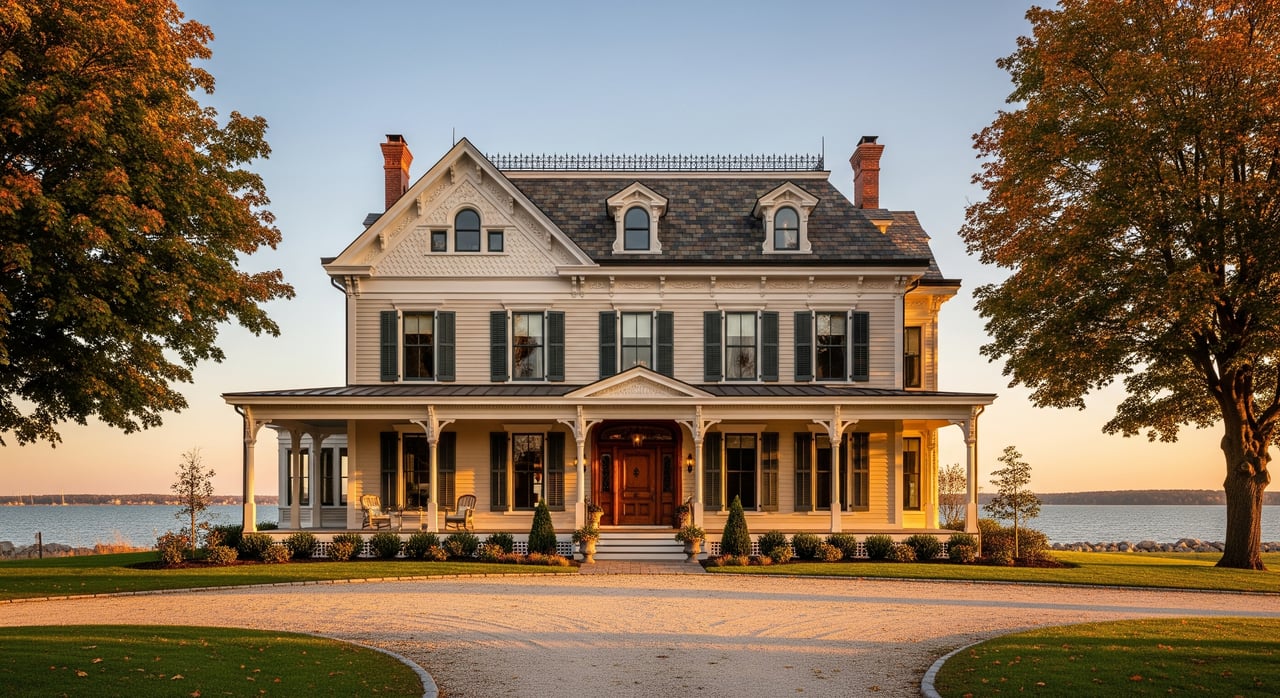
Is your Allentown home one of a kind and hard to price? You are not alone. Historic properties in Buffalo’s Allentown neighborhood can command a premium, but only when you price with a plan that accounts for character, condition, and preservation rules. In this guide, you will learn how to assess value, build better comps, and choose a pricing strategy that attracts the right buyers without leaving money on the table. Let’s dive in.
Understand Allentown’s value drivers
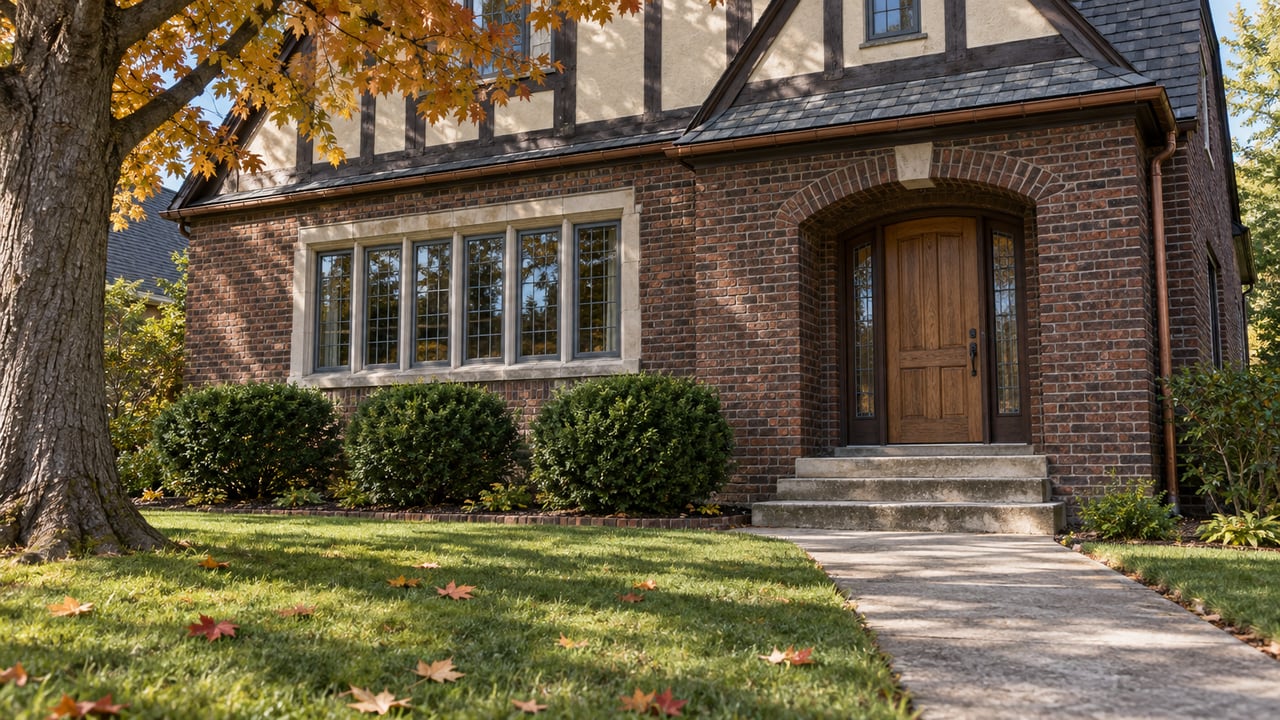
Allentown is known for late 19th–early 20th-century architecture and a strong arts-and-urban village identity. Buyers are often preservation-minded owners, downsizers seeking charm, and investors in well-located multi-unit buildings. The draw is authentic character, walkability, and proximity to restaurants and cultural spots.
Because homes range from fully restored gems to deep project properties, simple price-per-square-foot comparisons are unreliable. Original details, restoration quality, and turnkey readiness tend to drive higher prices. Deferred maintenance, code updates, and lack of parking can pull prices down.
Confirm historic designation and rules
If your home sits within a local historic district or is individually landmarked, exterior changes typically require design review and approvals. This can add prestige and help preserve streetscape quality. It can also add time and cost for future projects.
Before you price, verify designation status with the City of Buffalo preservation staff and confirm whether design guidelines and certificates of appropriateness apply. Buyers will ask about approvals, so have clear answers ready. For some, designation is a value-add. For others, restrictions can narrow the buyer pool.
Audit condition and authenticity
Your pricing should reflect how much original fabric remains and how well the home functions today. Focus your audit on:
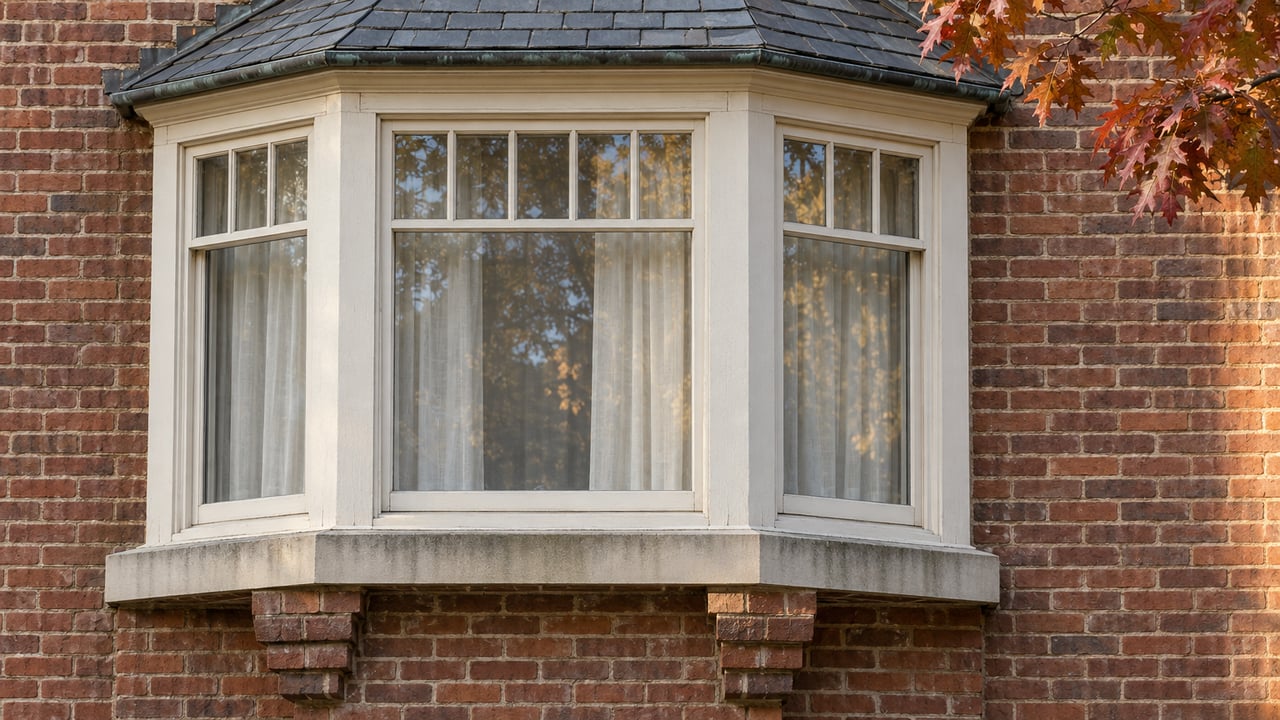
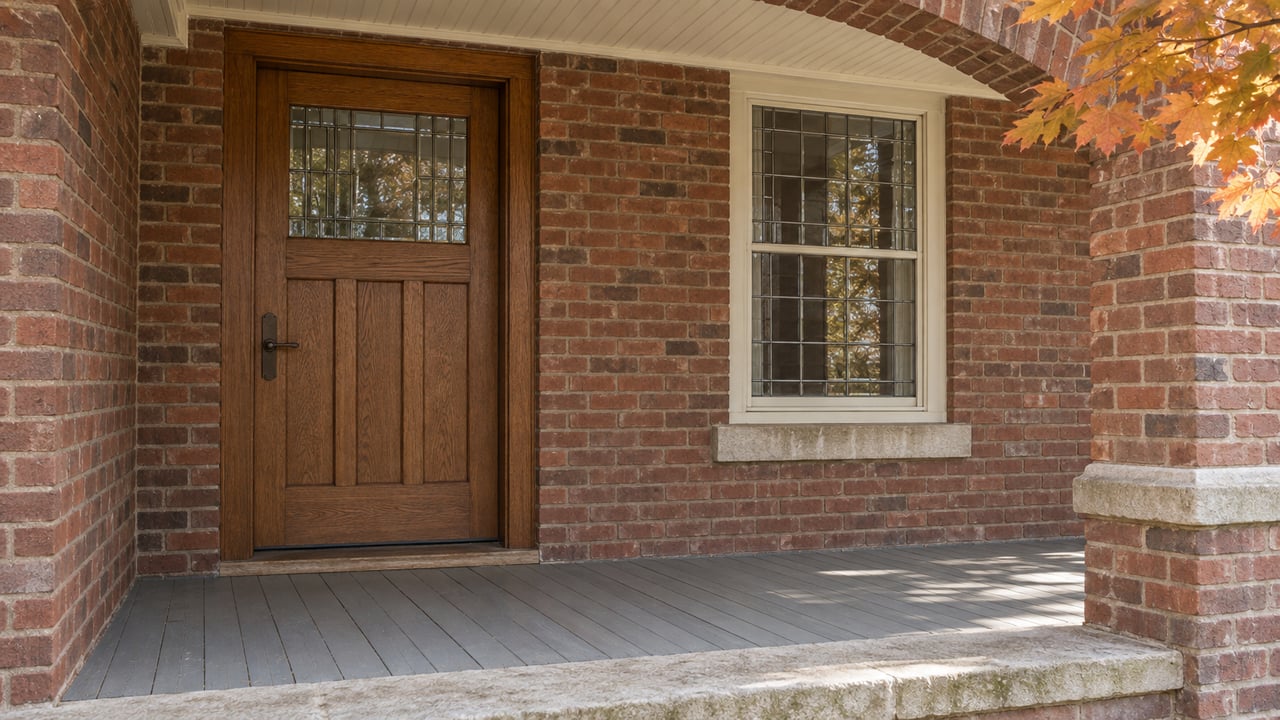
- Original features: windows, doors, moldings, stained glass, millwork, porches.
- Restoration quality: documented, preservation-appropriate work vs. partial or non-historic upgrades.
- Systems and structure: roof, foundation, electrical, plumbing, HVAC, insulation.
- Energy performance: window condition, air sealing, and heating efficiency.
High-quality, well-documented restorations support premium pricing because they reduce buyer risk. Poorly executed changes or missing records can lower offers.
Build better comps for a unique home
Historic homes are rarely apples-to-apples. Start with the closest-in-time sales in Allentown and on adjacent blocks, then adjust with care. Useful adjustment categories include:
- Age and style alignment with your home’s period.
- Designation status and the impact of review requirements.
- Authenticity of features and restoration quality.
- Lot size, outdoor space, and any off-street parking or garage.
- Interior layout and modernization of kitchens and baths.
- Mechanical and structural upgrades.
When true comps are scarce, supplement with a cost-to-cure analysis for needed work and, for unique properties, a replacement-cost perspective as a sanity check.
Estimate realistic cost to cure
Project buyers will price in repairs. Owner-occupant buyers will look for turnkey condition or request credits. Get written estimates from contractors familiar with historic properties for items like knob-and-tube wiring, lead paint stabilization, window restoration, roof work, masonry, and HVAC upgrades. Add a contingency for hidden conditions typical in older homes.
Price cushions for these costs help you defend your listing price and reduce surprises during inspection.
Consider financing, taxes, and incentives
Know which programs may matter to your buyer pool:
- The Federal Historic Rehabilitation Tax Credit mainly applies to income-producing properties, not owner-occupied single-family homes.
- Buyers planning renovations can explore rehab-friendly mortgages, including FHA 203(k) and other renovation products. Eligibility varies, so encourage buyers to confirm program rules.
- Property taxes are based on assessment. Significant renovations or abatements may impact taxes. Suggest that buyers and their advisors verify with Erie County or the city assessor.
Clear guidance on incentives and financing helps buyers model total cost and strengthens your negotiating position.
Choose a pricing strategy that fits the house
Use a range, not a single number, then pick the tactic.
- Floor: Your lowest acceptable number after accounting for realistic repair credits and typical negotiation.
- Ceiling: Justified by the best nearby comps adjusted for your home’s authenticity, restoration quality, and features.
- Tactics:
- Market at comp level if demand is steady and condition is good.
- Underprice slightly only when you expect broad interest and bidding.
- Price at a premium if the home is fully and faithfully renovated with strong documentation.
The goal is to meet the strongest buyer pool at the right price point and create urgency without overshooting the market.
Document what buyers value
Strong documentation builds trust, reduces perceived risk, and helps you hold price.
- Permits and approvals for past work.
- Contractor invoices, warranties, and inspection reports.
- Photographs of restoration steps and materials.
- Notes on energy improvements and mechanical upgrades.
- Any preservation awards or notable recognition.
Present these items in a tidy, shareable packet to speed buyer decisions and support appraisals.
Avoid common pricing pitfalls
Watch for issues that can depress offers or delay closing. Address them up front or price accordingly.
- Unpermitted alterations or unit conversions that affect financing and insurance.
- Lack of documentation for major structural or roof work.
- Over-modernization that removes or replaces historic fabric with low-quality materials.
- Hazard concerns typical of older homes, such as lead-based paint, asbestos-containing materials, or obsolete wiring.
- Overreliance on price-per-square-foot without adjusting for condition, authenticity, and parking.
Proactive disclosures and realistic pricing reduce renegotiations after inspection.
A step-by-step plan to set your price
Follow a clear process to reach a defensible list price.
- Gather the facts
- Confirm historic designation with the City of Buffalo and, if applicable, the New York State Historic Preservation Office.
- Pull recent Allentown sales and close-in comps from local MLS data and county records within the last 6–12 months.
- Retrieve assessed value, tax history, building permits, and certificate-of-occupancy records.
- Inspect for old-home specifics
- Hire an inspector experienced with historic properties and, if needed, a preservation contractor to scope deferred maintenance and restoration needs.
- Compile a record of past work, warranties, and permits.
- Select and adjust comps
- Choose sales similar in age, style, size, location, and condition.
- Adjust for authenticity of features, restoration quality, lot, parking, layout, and mechanicals. For multi-unit buildings, consider income potential.
- Run a cost-to-cure analysis
- Price out material repairs and specialized restoration. Include a contingency for hidden conditions.
- Cross-check with income or replacement logic where relevant
- For multi-unit properties, analyze rents, vacancy, and expenses. For unique homes, use replacement cost less depreciation as a reality check.
- Finalize strategy and launch
- Set floor and ceiling numbers. Choose your pricing tactic based on demand and condition.
- Prepare your documentation packet and disclosures to support appraisal and negotiation.
How local expertise protects your price
Allentown’s historic charm is a strength when it is priced and presented with care. A local expert who knows the streets, styles, and buyer profiles can help you identify the premium-worthy features, avoid appraisal surprises, and reach the right audience.
With decades of Buffalo city experience, concierge-level coordination, and strong neighborhood ties, a trusted advisor can source preservation-aware inspectors and contractors, align pricing with close-in comps, and manage staging that highlights authentic character. That combination produces smoother deals and stronger outcomes.
Ready to set a confident price for your Allentown home? Reach out to Susan Lenahan for a free home valuation and neighborhood strategy.
FAQs
What factors most influence price for an Allentown historic home?
- Condition and authenticity of original features, quality of documented restorations, designation status and rules, parking, layout, and the scope of any needed code or systems updates.
How do I find reliable comps for a unique historic property in Allentown?
- Start with the most recent sales in Allentown and nearby blocks, then adjust for architecture, condition, designation status, parking, and mechanical upgrades when direct matches are scarce.
Do historic designations raise or lower my home’s value?
- Designation can add prestige and neighborhood stability, which some buyers value, but it may also narrow the buyer pool and add approval steps; the net effect depends on buyer preferences and project plans.
What documentation should I gather before listing a historic home?
- Collect permits, contractor invoices, warranties, inspection reports, photos of restoration work, and any preservation approvals so buyers can verify quality and appraisers can support value.
Can I use federal historic tax credits on an owner-occupied Allentown home?
- Federal Historic Rehabilitation Tax Credits primarily apply to income-producing properties, not owner-occupied single-family homes.
What financing options can help buyers who plan renovations?
- Buyers can explore renovation-friendly mortgages such as FHA 203(k) and other rehab loan products, subject to program rules and property eligibility.
How should I account for lead paint or old wiring in my price?
- Expect buyers to request credits or price reductions for remediation; obtain estimates in advance and include realistic allowances in your pricing strategy.
Why do appraisals for historic homes sometimes come in low?
- Limited truly comparable sales and wide condition differences can challenge appraisals; provide detailed documentation, close-in comps, and cost-to-cure analysis to support value.