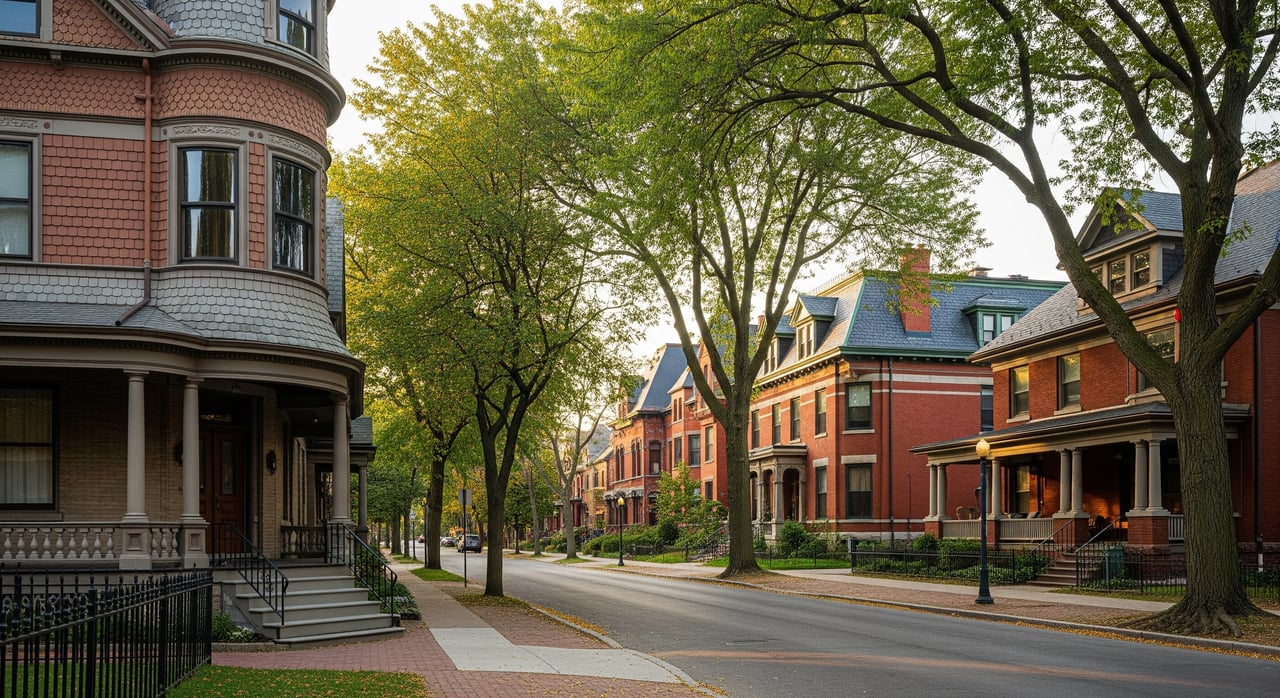
Do you find yourself stopping mid‑walk to admire a turret, a broad front porch, or a perfect brick cornice line? If you love architecture, Elmwood Village in Buffalo gives you a front‑row seat to more than a century of home design. As a buyer, it helps to know what each style means for space, comfort, maintenance, and day‑to‑day living. This guide breaks down the common styles you’ll see and how to match them to your goals. Let’s dive in.
Elmwood Village at a glance
Elmwood Village is an established city neighborhood with tree‑lined streets, compact lots, and sidewalks that put you close to cafés, shops, parks, and cultural institutions. Most homes date from the late 19th and early 20th centuries, which means lots of character and a mix of architectural styles. You’ll see single‑family Victorians, early 20th‑century foursquares, brick rowhouses, and later revival styles on the same block.
Buffalo’s climate shapes how these homes live and age. Winters are cold, snow is heavy, and freeze‑thaw cycles are frequent. Roofs, masonry, drainage, and basements need regular attention, especially in older structures.
How to spot the styles
Use these quick cues as you tour Elmwood Avenue and the surrounding streets. Each style note includes what it usually means for layout, daily life, and maintenance.
Queen Anne / Late Victorian (1880s–1900)
- Visual cues: Asymmetrical façades, front‑facing gables, bay windows, patterned shingles, wraparound porches, and sometimes a tower or turret.
- Interiors and layout: High ceilings, formal parlor and dining rooms, lots of nooks, and detailed millwork. Staircases can be narrow and bedrooms can be modest.
- Daily life: You get rich period detail and distinct rooms for different uses. Storage can be tight by modern standards, and you’ll likely have more stairs.
- Maintenance: Wood siding and trim need routine painting and rot control. Porches require ongoing structural and finish care. Original windows and decorative elements may need restoration.
Italianate (1850s–1880s)
- Visual cues: Low‑pitched or hipped roofs, wide eaves with brackets, tall narrow windows with decorative hoods, and elongated proportions.
- Interiors and layout: High ceilings with a central or side‑hall plan. Tall single‑pane windows draw generous light.
- Daily life: Formal spaces suit entertaining. Rooms feel gracious, but floor plans can be compartmentalized.
- Maintenance: Masonry repointing is common. Brackets, gutters, and historic drainage details need careful upkeep. Window restoration often pays off in comfort and longevity.
Second Empire / Mansard (1860s–1880s)
- Visual cues: Steep mansard roof with dormers, vertical proportions, and decorative cornices.
- Interiors and layout: The top floor under the mansard often holds bedrooms or flexible living space.
- Daily life: You gain extra square footage at the top of the house, which is great for offices or guest rooms.
- Maintenance: Dormers and flashing are frequent leak points. Historic slate or wood shingles can be durable but require skilled repair.
American Foursquare (1895–1930)
- Visual cues: A boxy, two‑story form with a roughly square footprint, low‑hipped roof, central dormer, and a full‑width porch.
- Interiors and layout: Practical four‑room‑per‑floor plans with efficient circulation and larger rooms than many Victorians.
- Daily life: Easy to furnish and update. Many buyers open the kitchen to dining or add a first‑floor powder room.
- Maintenance: Generally simpler than ornate Victorians. Expect ongoing porch and roof care and periodic kitchen and bath modernization.
Colonial Revival and early 20th‑century revivals (1890s–1930s)
- Visual cues: Symmetrical façades, classical columns or pediments, and multi‑pane double‑hung windows.
- Interiors and layout: Conventional room arrangements with central hallways and comfortable living and dining spaces.
- Daily life: Balanced and familiar floor plans that adapt well to modern living.
- Maintenance: Typical exterior paint or masonry upkeep and routine system updates.
Tudor Revival (1920s–1930s)
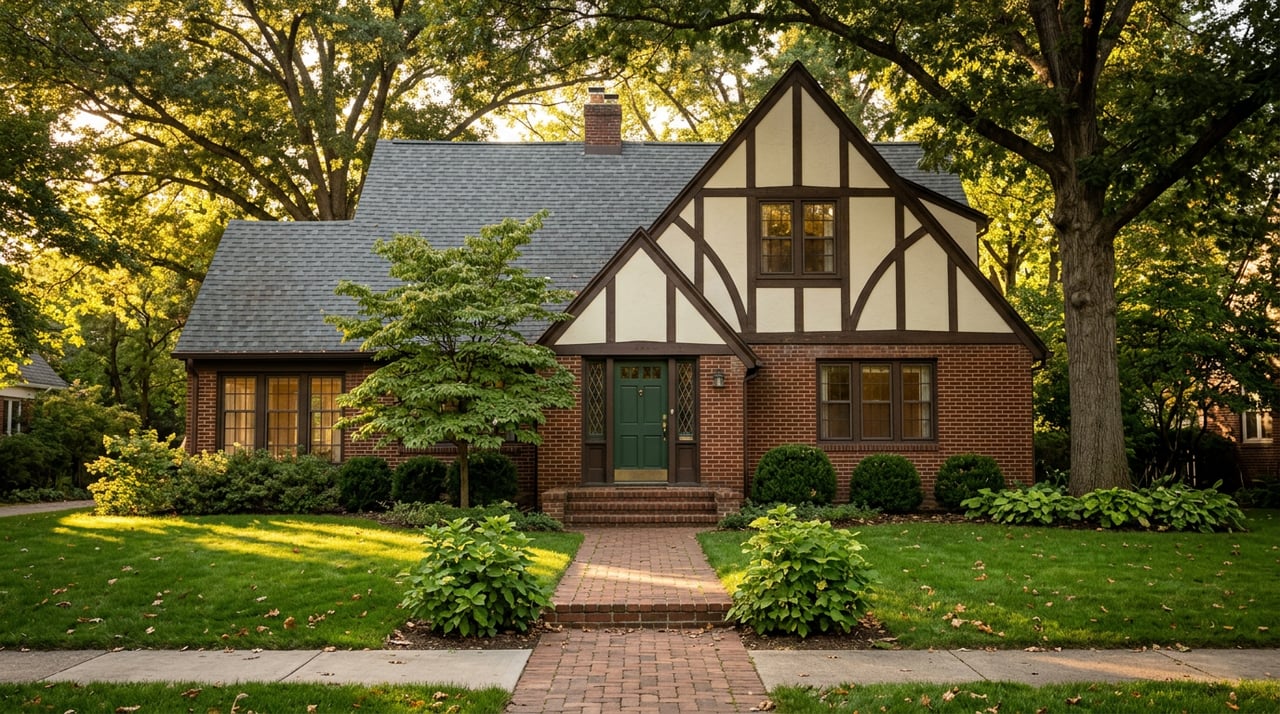
- Visual cues: Steeply pitched roofs, half‑timbering, tall narrow windows, and prominent chimneys.
- Interiors and layout: Cozy rooms with some asymmetry and built‑ins.
- Daily life: Warm, storybook character with intimate spaces. Hallways and passages can be smaller.
- Maintenance: Roof and chimney detailing need attention. Stucco and timber elements require periodic inspection.
Brick rowhouses / attached masonry
- Visual cues: Continuous façades, party walls, stoops, and a consistent cornice line along the block.
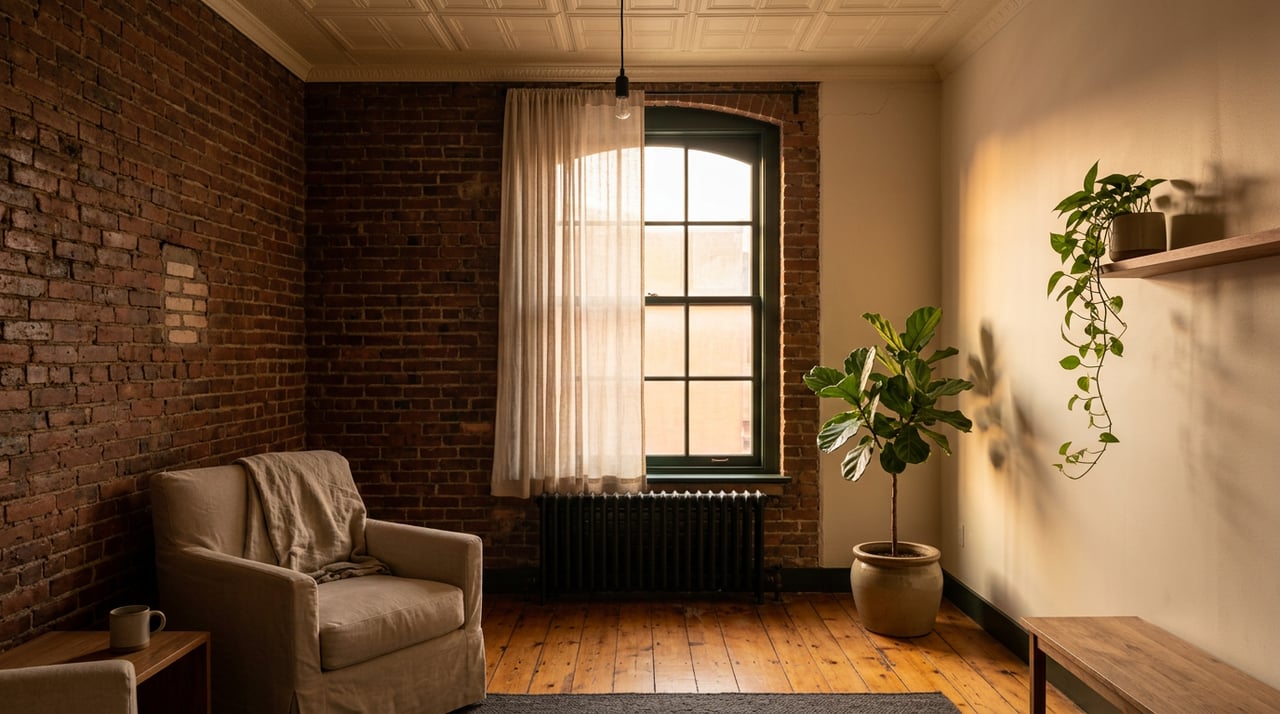
- Interiors and layout: Narrow but deep plans, usually two or three stories plus a basement. Light often comes from front and back.
- Daily life: Strong urban feel with vertical living. Outdoor space is usually limited to a small yard or patio.
- Maintenance: Masonry repointing, roof access, and party‑wall coordination are key. Watch for shared foundation or drainage issues.
Bungalows / Craftsman (1905–1930)
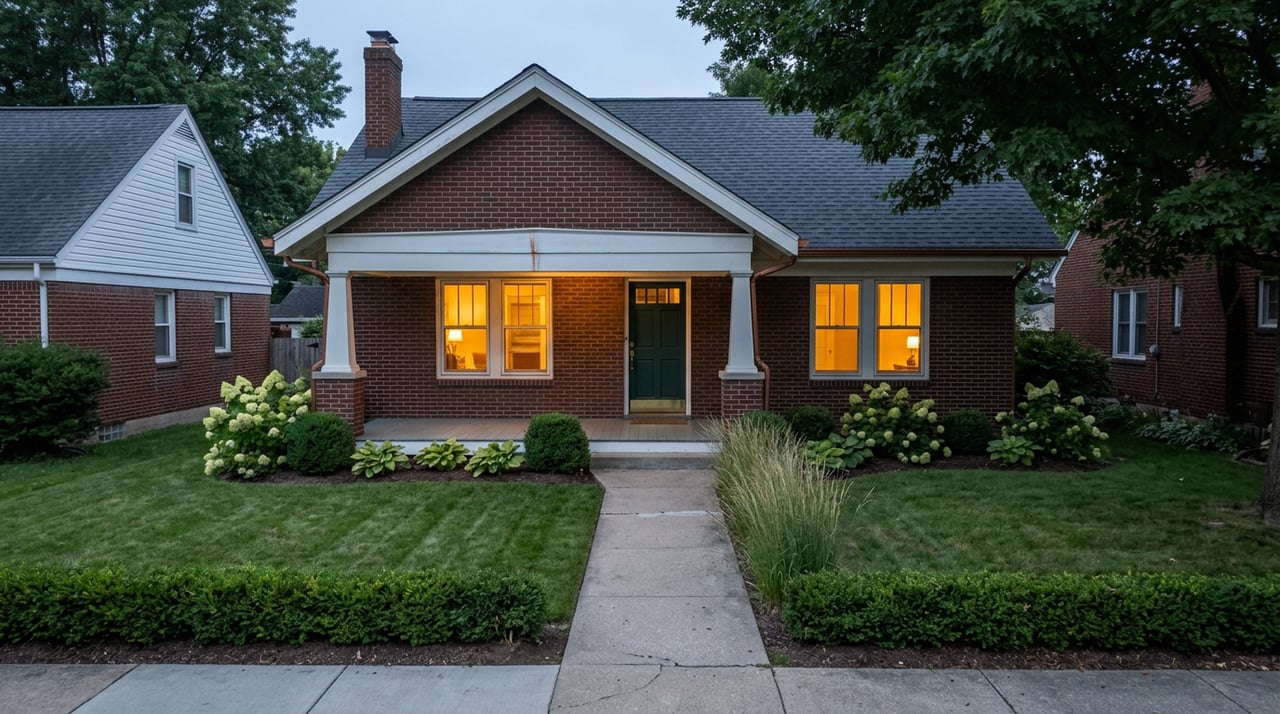
- Visual cues: Low‑pitched gable roofs, broad porches with tapered columns, and exposed rafters.
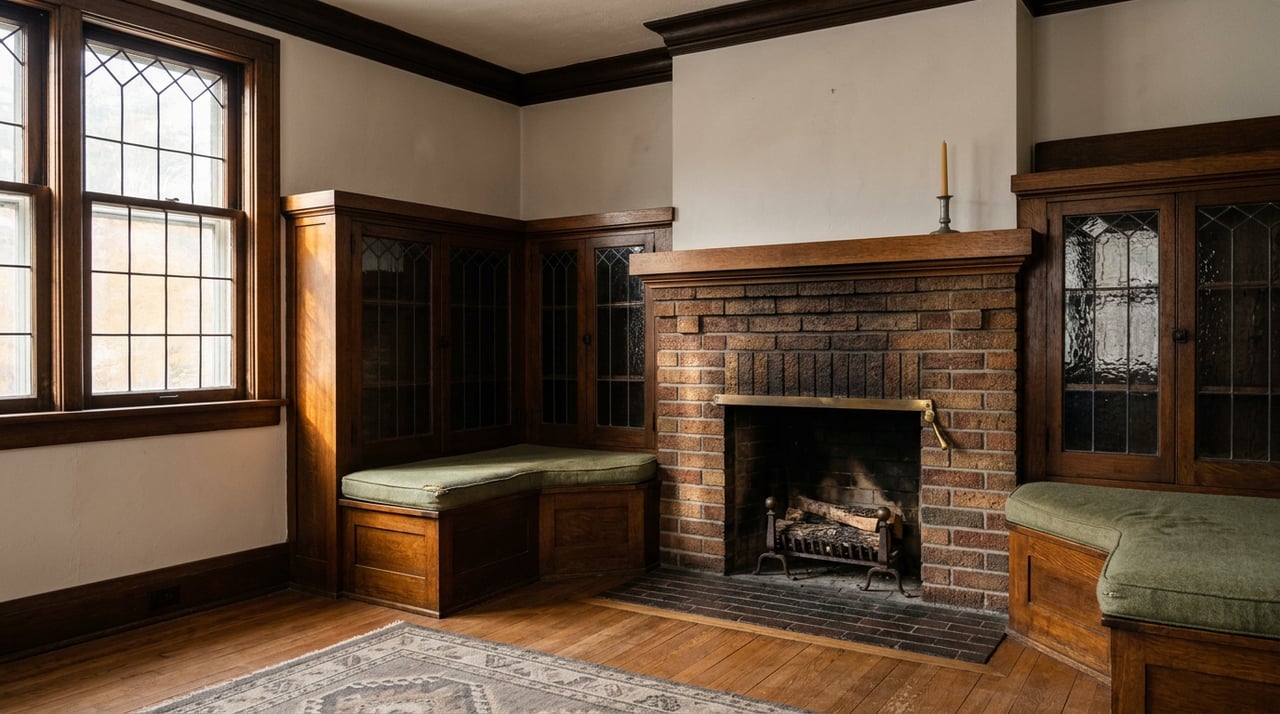
- Interiors and layout: More open than Victorians, often with built‑ins and single‑story or one‑and‑a‑half‑story living.
- Daily life: Efficient layouts with main‑level living that suits many buyers seeking fewer stairs.
- Maintenance: Regular roof and porch upkeep. Interiors often benefit from updated kitchens and baths while preserving built‑ins.
What style means for everyday living
- Layout and circulation: Victorian, Italianate, and Second Empire homes are more compartmentalized with vertical circulation and smaller bedrooms. Foursquares and Craftsman homes tend to offer more natural flow and easier kitchen updates. Rowhouses deliver a compact, vertical lifestyle with light at the front and rear.
- Size and bedrooms: Elmwood properties range from modest two‑bed homes to large multi‑bed Victorians. Some have a history of multi‑unit use and may be single‑family again today.
- Accessibility: Older homes often have narrow doorways, staircases, and limited first‑floor baths or bedrooms. Bungalows or renovated layouts can help if you want fewer stairs.
- Energy and comfort: Many historic houses began with single‑pane windows, uninsulated walls, and older mechanicals. Thoughtful upgrades can boost comfort while respecting historic materials.
Buffalo climate and maintenance realities
Buffalo’s freeze‑thaw cycles and lake‑effect snow can be tough on roofs, chimneys, flashing, and masonry. Moisture management is essential, especially in older basements and around porches and steps. Plan routine inspections and prioritize drainage, insulation, and roof detailing.
Key areas to assess:
- Foundations: Stone or brick foundations may show mortar wear, movement, or leaks. Repointing and waterproofing are common.
- Masonry: Brick façades often need repointing. Avoid hard cement mortars that can damage historic brick.
- Roofs: Historic slate lasts a long time but needs skilled service. Asphalt is common today but changes original character.
- Porches: Expect periodic structural and paint work; rot often appears at deck framing and post bases.
- Mechanical systems: Older steam or boiler systems can be durable but may be inefficient. Electrical and plumbing may need updating.
- Rowhouse specifics: Coordinate on party‑wall care and shared rooflines. Understand access and responsibilities.
Typical cost drivers:
- High: Slate roof repair, full masonry repointing with compatible mortar, major foundation stabilization, and unit conversions.
- Medium: Window restoration, boiler replacement, and kitchen or bath remodels.
- Low to medium: Exterior painting, porch repairs, and localized roof or gutter fixes.
Pre‑purchase checklist for Elmwood homes
Bring this list to showings and inspections:
- Structure: Foundation cracks, sagging floors, roof sag, and chimney condition.
- Water: Musty odors, efflorescence on basement walls, and ceiling stains.
- Roof and attic: Shingle wear, dormer and chimney flashing, insulation, ventilation, and signs of past leaks.
- Porches and trim: Rot, paint failure, column and deck framing condition.
- Windows and doors: Sash operation, drafts, rot, and presence of original glass.
- Mechanical systems: Age and type of heating, furnace or boiler records, water heater age, electrical panel capacity and wiring type, and sewer connections.
- Zoning and history: Whether the home was ever multi‑unit and if past alterations were permitted.
- Preservation concerns: Whether planned exterior work may require review by local authorities.
Professionals to involve:
- Licensed home inspector experienced with older Buffalo housing.
- Structural engineer for foundation or framing concerns.
- Preservation‑minded architect or contractor for sensitive restoration.
- Local real estate agent familiar with Elmwood Village and permitting.
- Electrician and plumber who regularly work on older systems.
Energy and comfort upgrades that work
- Insulation: Start with the attic. Wall insulation in older masonry homes needs expert planning to manage moisture.
- Windows: Consider restoring original wood windows and adding storm windows for efficiency while keeping historic character.
- HVAC: High‑efficiency boilers or furnaces, zoned systems, or mini‑splits can improve comfort without major disruption.
- Stormwater: Keep gutters and downspouts clear, ensure positive grading, and consider permeable hardscaping where appropriate.
Which style fits your lifestyle
- Love formal rooms and period detail: Queen Anne, Italianate, or Second Empire may be your match. Expect vertical living with lots of charm.
- Prefer simple flow and easy updates: American Foursquare and Craftsman homes often offer practical room sizes and straightforward renovations.
- Seek an urban feel and walkability: Brick rowhouses deliver classic city living with compact footprints and vertical layouts.
- Want main‑level living: Look at bungalows or homes reconfigured with a first‑floor bedroom and bath.
Work with a neighborhood guide
Choosing a home in Elmwood Village is part architecture and part lifestyle. The right advice helps you weigh character against upkeep, understand what upgrades matter most, and navigate local rules for exterior work. If you want a steady hand and Buffalo‑specific guidance from the first tour to the closing table, reach out to Susan Lenahan. Get a free home valuation & neighborhood strategy, contractor introductions, and a clear plan for buying with confidence in Elmwood Village.
FAQs
What are the most common Elmwood Village home styles?
- You’ll often see Queen Anne Victorians, American Foursquares, Colonial and Tudor Revivals, brick rowhouses, and Craftsman bungalows, with some Italianate and Second Empire homes.
How do Elmwood Village Victorians typically live day to day?
- Expect high ceilings, formal rooms, and more compartmentalized layouts. They shine for entertaining and period detail but may have narrower stairs and smaller bedrooms.
What maintenance issues are most common in Buffalo’s climate?
- Roofs, chimneys, and masonry suffer from freeze‑thaw cycles, and basements can have moisture intrusion. Regular drainage, insulation, and exterior upkeep are essential.
Are brick rowhouses harder to maintain than detached homes?
- Rowhouses add party‑wall and shared roofline considerations. Masonry repointing and coordinated repairs with neighbors are common, but many owners value the urban lifestyle.
Which Elmwood Village styles are easiest to update?
- American Foursquares and Craftsman bungalows usually offer straightforward kitchen and bath modernizations and practical room layouts.
What should I check before making an offer on a historic home?
- Verify structure and water management, review mechanicals and wiring, confirm any past unit conversions or renovations, and ask about preservation approvals for planned exterior work.