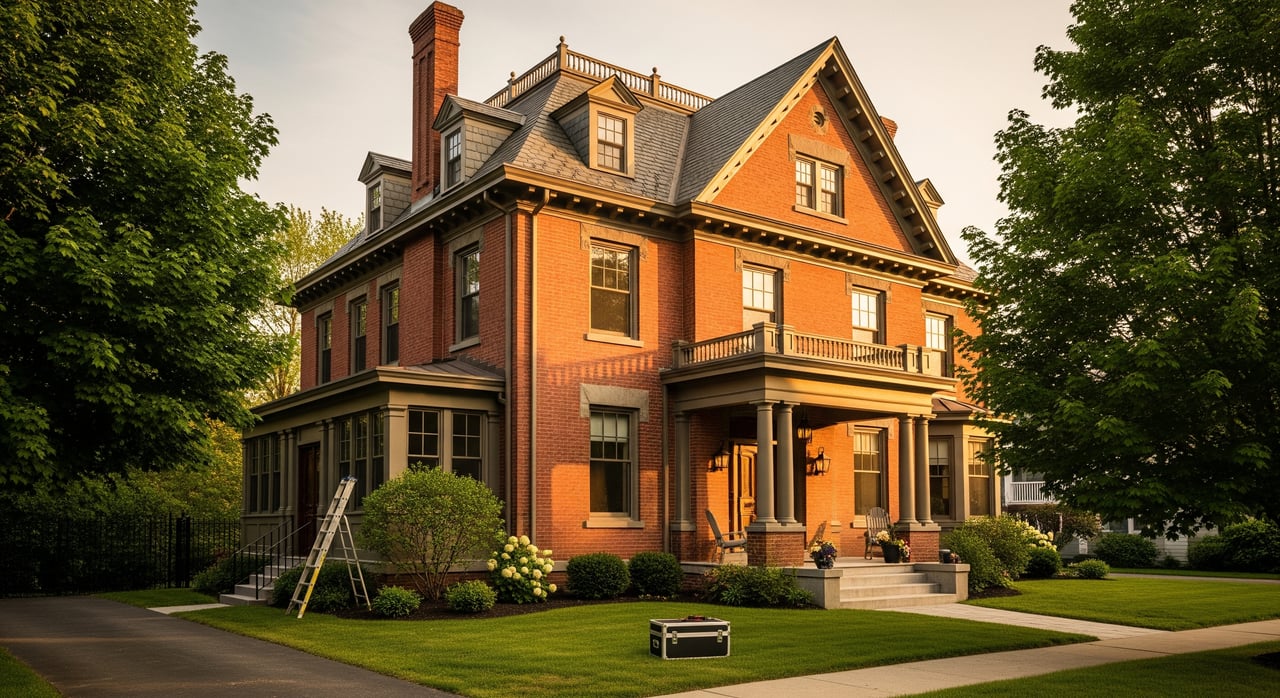
Thinking about selling or buying in Parkside and wondering when to schedule a home inspection? In a neighborhood known for beautiful, early 20th-century homes, inspections can feel more complex than a simple checklist. You want to protect your bottom line, avoid surprises, and move forward with confidence. In this guide, you’ll learn how pre-listing inspections compare to buyer inspections, what they typically include in Parkside, common costs and timelines, and how results shape negotiations. Let’s dive in.
Parkside homes: why inspections matter
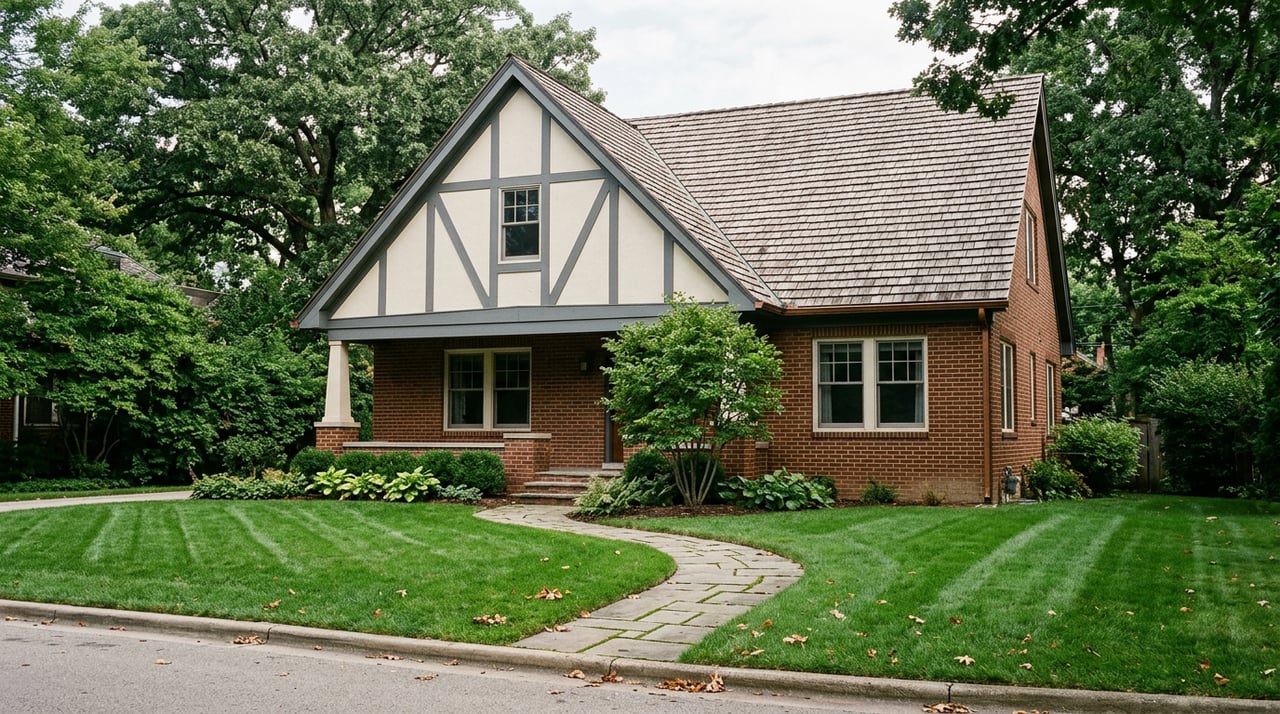
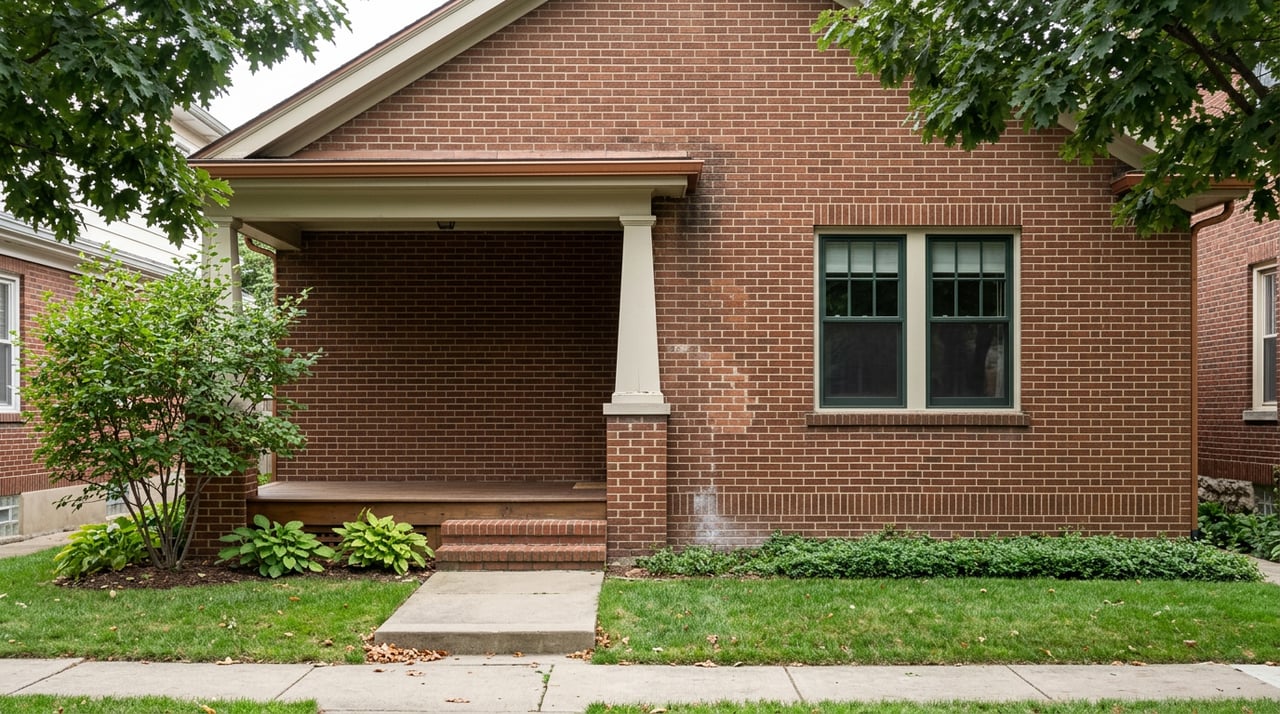
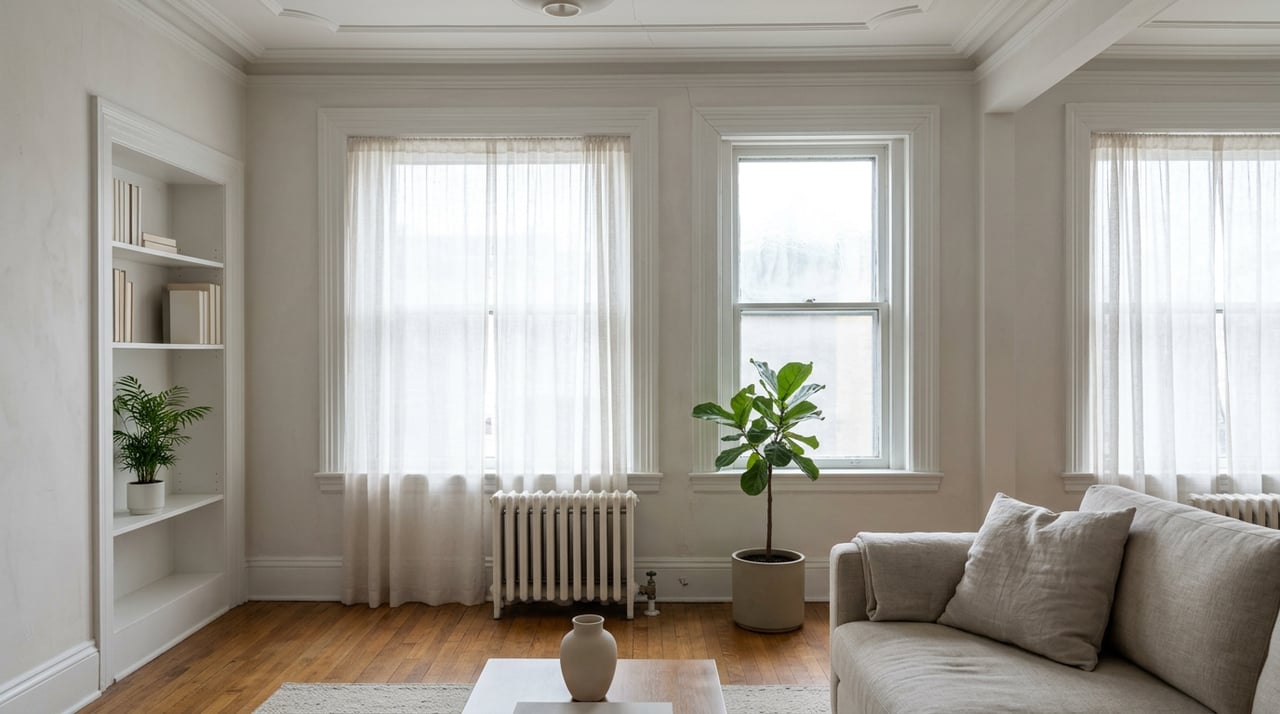
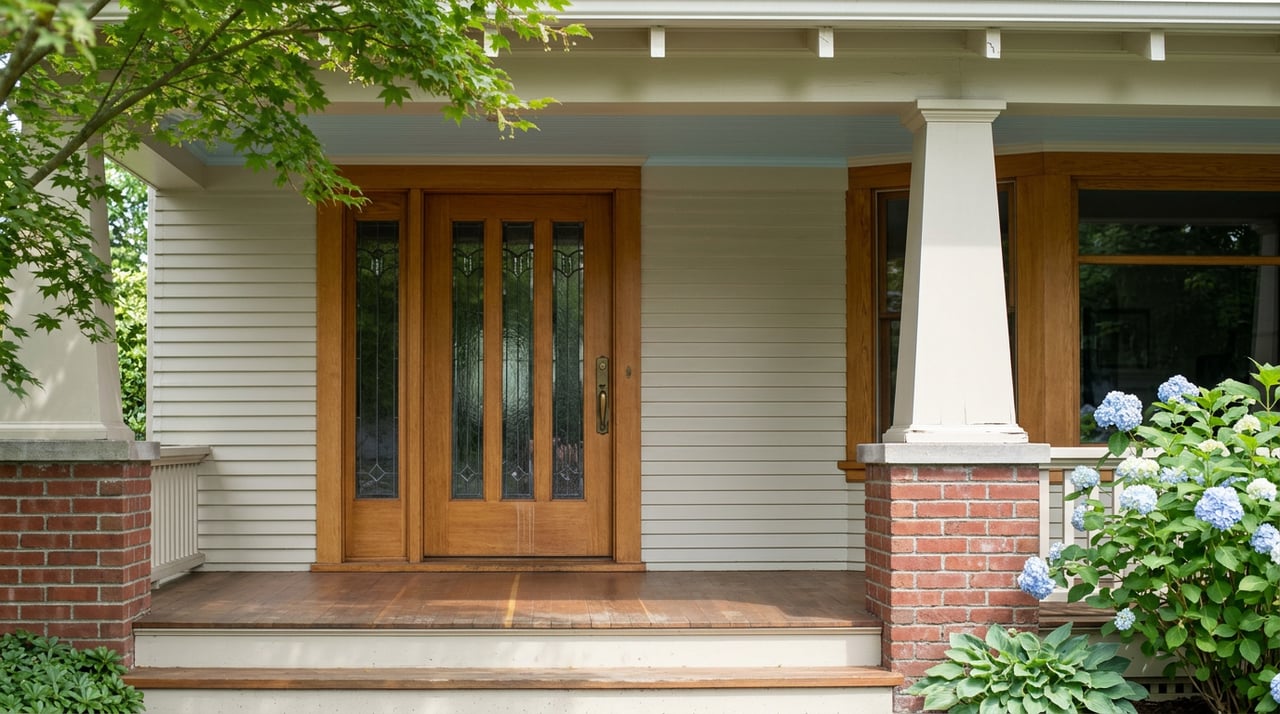
Parkside’s housing stock often dates to the late 1800s through the 1920s. That historic charm can come with older systems such as masonry foundations, knob-and-tube wiring, galvanized plumbing, original windows, and lead-based paint in pre-1978 homes. Buffalo’s cold winters, heavy snow, and freeze-thaw cycles add wear to roofs, masonry, and exterior elements.
Common Parkside red flags include:
- Persistent basement moisture or water intrusion.
- Masonry and chimney deterioration from freeze-thaw damage.
- Older heating systems like boilers and steam radiators.
- Old electrical wiring or insufficient service.
- Aging sewer laterals with root intrusion or breaks.
- Lead-based paint and possible asbestos in certain materials.
- Non-permitted renovations or incomplete permits.
What is a pre-listing inspection?
A pre-listing inspection is ordered and paid for by the seller before the home hits the market. The goal is to surface issues early, decide which items to repair or price for, and present buyers with a clear picture of the home’s condition. It can reduce renegotiation pressure later and help your sale move faster. Keep in mind, most buyers still choose to perform their own inspection.
What it covers for sellers
A general home inspection reviews the structure, roof, exterior, interior, electrical, plumbing, and HVAC. In Parkside, sellers often add targeted tests because of the age of local homes:
- Sewer scope to check older clay or aging lateral lines for roots or breaks.
- Radon testing for basements.
- Wood-destroying insect inspection, sometimes required for certain loans.
- Chimney and fireplace inspection for older masonry systems.
- Asbestos or lead testing if materials or conditions raise concerns, especially before renovations.
- Moisture and mold assessment if the basement shows chronic dampness.
- Specialty review for steam or boiler systems.
Choose experienced inspectors with ASHI or InterNACHI credentials, and licensed specialists where required.
Costs and timing for sellers
- General home inspection: about $300 to $600, depending on size and scope.
- Sewer scope: roughly $100 to $300.
- Radon test: about $100 to $200.
- Chimney inspection: about $100 to $300, based on level.
- Pest inspection: about $75 to $200.
- Asbestos or lead testing: varies and can run into the hundreds.
For scheduling, allow 2 to 4 weeks before listing to complete the inspection, gather repair estimates, and finish any work you choose to do.
Pros and cons for sellers
- Advantages:
- Identify and address issues before buyers see them.
- Reduce surprises, renegotiations, and contingency-driven walkaways.
- Market the home as transparent and “pre-inspected,” which can attract stronger offers.
- Choose contractors and control repair quality and timing.
- Tradeoffs:
- Upfront costs and time to arrange inspections and repairs.
- Buyers will often still order their own inspections.
- If you leave items unaddressed, buyers can still ask for repairs or credits.
What is a buyer inspection?
A buyer inspection is ordered by the buyer after an offer is accepted and within the inspection contingency window. The purpose is to confirm the home’s condition, uncover material issues, and provide grounds to request repairs, negotiate credits, or cancel within the contingency.
What it covers for buyers
Buyers typically schedule a general home inspection and, in Parkside, often add:
- Sewer scope to evaluate older laterals.
- Radon testing for the basement.
- Pest inspection when required by the loan or when indicated.
- Chimney inspection for older masonry fireplaces or flues.
- Targeted testing for asbestos or lead if conditions warrant.
- Moisture or mold assessment if there are signs of dampness.
- HVAC or boiler specialty evaluations for older systems.
Choose inspectors with relevant certifications and Parkside experience with older homes.
Costs and timing for buyers
Expect the same cost ranges as sellers. Timing is tighter. Most contracts set a 5 to 14 day inspection window after acceptance, so schedule quickly and line up any add-ons early to get results back in time.
Pros and cons for buyers
- Advantages:
- You choose the inspector and scope for independent advice.
- Contingencies allow you to negotiate or exit if serious defects appear.
- You can request repairs, seller credits, or price adjustments.
- Tradeoffs:
- Discovering major issues after contract acceptance can be stressful.
- The window to order specialty tests is short, so coordination is critical.
How inspection results shape negotiations
Inspection results often drive the next move:
- Minor repairs: sellers may fix items before closing or offer a small credit.
- Major defects: structural problems, significant water intrusion, failing sewer laterals, or unsafe systems can lead to price reductions, seller-paid remediation, or cancellation under the contingency.
- Disclosure versus repair: with a pre-listing inspection, a seller might disclose issues and offer a credit instead of repairs. A buyer might accept and plan the work after closing.
- Lender-required repairs: certain loans, such as FHA or VA, can require safety or structural items be corrected before closing. These are separate from voluntary requests.
Legal, historic, and financing checkpoints
- Lead-based paint: for homes built before 1978, federal law requires sellers to disclose known lead-based paint information and provide the EPA pamphlet. Testing and remediation are separate decisions.
- Historic districts: parts of Parkside may be subject to historic preservation rules. Exterior changes or certain repairs can require approvals. Verify requirements before promising or starting work.
- Permits and code: structural, electrical, mechanical, or plumbing work typically needs permits from the City of Buffalo. Sellers should confirm permit status for past renovations and be ready to provide documentation.
- Financing impacts: some lenders require pest reports, chimney evaluations, or correction of safety hazards in older homes. Coordinate with your lender early to avoid delays.
Seller checklist: a Parkside plan
- Hire a qualified home inspector with experience in older Buffalo homes.
- Add a sewer scope, radon test, pest inspection, and chimney inspection where appropriate.
- Review results and get estimates from local contractors for significant items.
- Decide whether to repair, offer a credit, adjust pricing, or disclose and sell as-is. Consult your attorney and listing language.
- If the home may be in a historic district, confirm approval steps before altering the exterior.
- Organize documents, including permits and service records, to build buyer confidence.
Buyer checklist: a Parkside plan
- Schedule a general home inspection as soon as your contract allows, and add specialty tests early in the window.
- Confirm with your lender if any inspections or repairs are required for loan approval.
- Use the inspection report to prepare precise repair requests or credit amounts with your agent or attorney.
- Plan a maintenance budget for older-home essentials like boiler service, gutter work, sump pump upgrades, grading, and weatherization.
Pre-listing vs. buyer inspections: choosing your approach
The right approach depends on your goals and the market. In competitive conditions, a pre-listing inspection can help you streamline the sale, show transparency, and keep negotiations tight. In balanced markets, buyers often rely on their inspection for leverage. Regardless of market dynamics, a well-run inspection process reduces stress and helps both sides make informed decisions.
If you are selling in Parkside, a pre-listing inspection plus targeted local tests can surface issues on your timeline and terms. If you are buying, prompt scheduling, smart add-ons, and a clear negotiation plan protect your investment and keep your closing on track.
Ready to plan your next steps?
You do not have to navigate older-home inspections alone. For tailored guidance on Parkside’s housing stock, preparation strategies, and negotiation plans, reach out to the neighborhood team that handles these nuances every week. Connect with Susan Lenahan for a friendly, expert plan to prepare, price, and purchase with confidence.
FAQs
What is a pre-listing inspection in Parkside?
- It is a seller-ordered inspection completed before listing to identify issues early, plan repairs or pricing, and reduce post-offer surprises, especially helpful with older Parkside homes.
Do buyers still inspect a “pre-inspected” home?
- Yes, most buyers still hire their own inspector for an independent assessment and to keep their inspection contingency rights intact.
What do home inspections typically cost in Erie County?
- General inspections often run about $300 to $600, with add-ons like sewer scope at $100 to $300, radon at $100 to $200, and chimney or pest inspections typically a few hundred dollars or less.
Which specialty tests are common for Parkside homes?
- Sewer scope, radon testing, chimney inspection, pest inspection when indicated, and targeted asbestos or lead testing if materials or conditions suggest it.
How long is the typical buyer inspection window?
- Many contracts provide a 5 to 14 day window after acceptance, so buyers should book inspectors and add-on tests right away.
How do inspection findings affect negotiations?
- Minor items often lead to simple repairs or small credits, while major defects can result in price reductions, seller-paid remediation, or contract cancellation under the contingency.
What if the home is in a historic district?
- Confirm any historic preservation requirements before exterior changes, and check City of Buffalo permit rules to ensure compliance when planning repairs or updates.