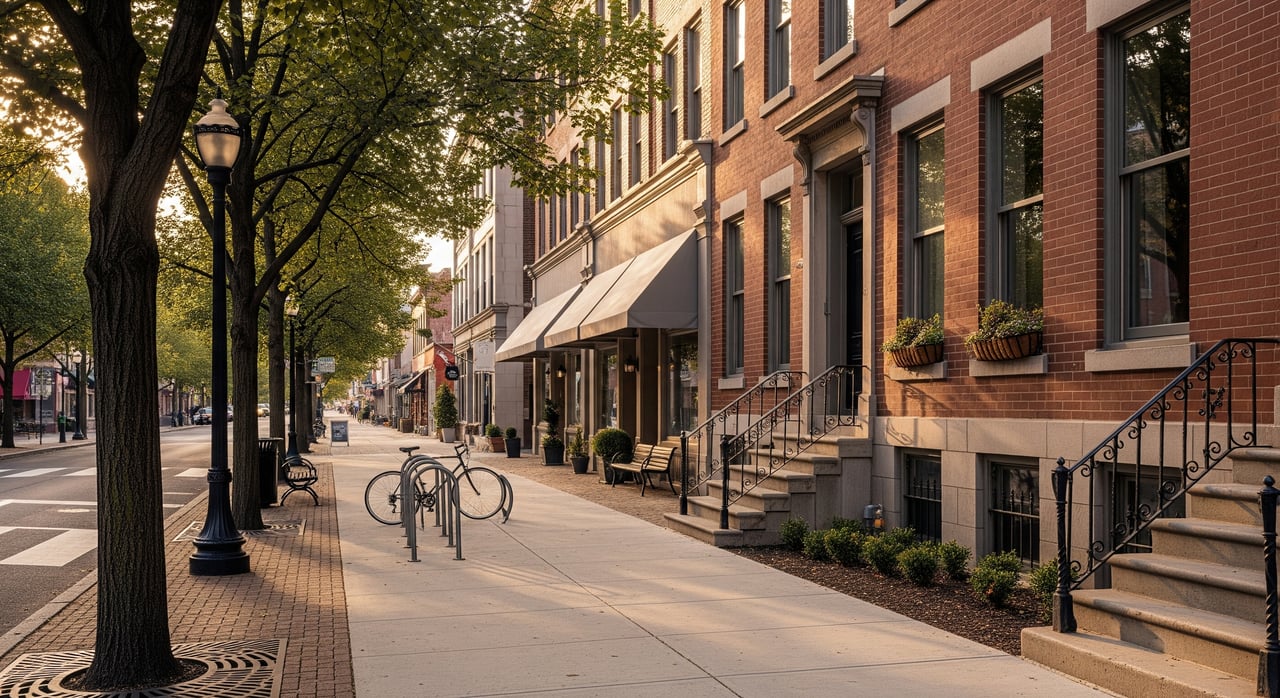
Is being able to stroll to coffee, dinner, parks, and errands really worth more when you sell in Elmwood Bidwell? If you’re eyeing the neighborhood’s sidewalks and storefronts, you’re not alone. Many buyers today prioritize convenience and a lively street scene, while others still prefer quieter, car-focused blocks. In this guide, you’ll learn what “walkability” means in Elmwood Bidwell, how it tends to influence value, and practical steps to measure it on your block so you can make smarter buy or sell decisions. Let’s dive in.
What walkability means in Elmwood Bidwell
Walkability is about how easily you can meet daily needs on foot. In and around Elmwood Bidwell, buyers often look at how close a home sits to Elmwood Avenue’s shops and services, as well as green spaces like Bidwell Parkway and larger park systems nearby. The specific mix of destinations within a comfortable walk can meaningfully shape demand.
Key components to consider:
- Destination mix and distance. Count the number and variety of places within a 5 to 10 minute walk, such as coffee, casual dining, markets, pharmacies, parks, and libraries.
- Sidewalk and streetscape quality. Continuous sidewalks, curb ramps, lighting, trees, storefront activity, and clean, well-maintained paths make walking feel easier and more pleasant.
- Connectivity and block pattern. Short blocks and multiple route choices are easier to navigate than long blocks or barriers that force detours.
- Perception and comfort. Lighting, visibility, maintenance, and overall street activity shape how comfortable people feel walking, especially in the evening.
- Transit access. Proximity to bus routes and frequent service can amplify the appeal of a walkable location, especially for commuters or students.
- Parking and curb management. Some buyers want vibrant streets, others prioritize predictable parking. Resident permit programs or garages can factor into your decision.
- Zoning and future investment. Mixed-use areas, accessory dwelling options, and planned streetscape improvements can nudge value over time.
What the research says about value
National and regional research consistently finds that greater walkability tends to increase home values, reduce days on market, and attract certain buyer segments. Buyers who prioritize lifestyle convenience, like many millennials, Gen Z professionals, and some empty-nesters, often accept smaller homes or less yard space in exchange for strong walkability.
That said, the size of the “walkability premium” varies by market, housing type, and how walkability is measured. Reported premiums range from modest to meaningful, and non-price benefits often show up as faster absorption, stronger rental demand, and easier resale. There are tradeoffs too. Parking pressure, traffic, noise, and evening activity can deter some buyers. The bottom line in Elmwood Bidwell is that a walkability premium likely exists, but the size depends on local data, exact proximity to retail and parks, transit access, housing stock, and recent comparable sales.
How to estimate the premium on your block
You do not need a PhD to get a credible read on walkability’s impact where you live. Start simple, then go deeper if needed.
Quick matched-comps comparison
- Pick matched pairs. Identify two or three pairs of recent sales that are similar in size, age, beds, baths, lot, and condition. The key difference should be walkability, for example, one home within a couple of blocks of Elmwood retail versus another 6 to 10 blocks out.
- Compare price per square foot. Note the sale price per square foot and any premium that aligns with stronger walkability.
- Check market time. Look at days on market to see whether the more walkable home sold faster.
- Repeat across price bands. Try pairs at different price points and building types to see whether the pattern holds.
Going deeper with data
- Hedonic approach. If you have the skills or support, you can run a basic regression that controls for size, beds, baths, age, lot size, and a walkability measure, such as distance to a grocery or a third-party walkability score.
- Appreciation over time. Compare repeated sales near the walkable core against homes farther out to see if the closer group appreciated faster.
Rental and occupancy check
If rentals are relevant on your block, compare asking rents and time-to-lease for units near retail and transit versus those on more residential streets. Strong walkability often correlates with lower vacancy.
Control for confounders
- Historic district or architectural prestige. These can add value independent of walkability.
- Condition and renovation quality. New kitchens and systems can outweigh location differences.
- Short-term rentals. They can influence pricing and demand on certain blocks.
For sellers: showcase walkability the right way
When your location delivers, make it easy for buyers to see and feel it.
- Map the lifestyle. List nearby destinations with actual walking times. Buyers respond to specifics like “5-minute walk to coffee” or “8 minutes to the weekend farmers market.”
- Feature the path. Include photos of sidewalks, crosswalks, trees, and porch scenes to convey a comfortable walking environment.
- Elevate the entry. Fresh lighting, tidy landscaping, and clear wayfinding boost curb appeal and support a walkable feel.
- Be transparent about parking. If permits, shared driveways, or on-street patterns are common, explain them and show workable solutions.
- Address noise expectations. If your street sees evening activity, highlight interior upgrades that help, such as quality windows and thoughtful layout.
- Highlight transit proximity. Buyers who value walkability often also value an easy bus connection.
For buyers: verify before paying a premium
Not every “walkable” home delivers the same experience. Test it yourself.
- Walk the route at three times. Visit morning, afternoon, and evening to see lighting, activity, and comfort.
- Count destinations. Within a 10-minute walk, tally daily needs like groceries, pharmacy, coffee, takeout, and parks.
- Run an errand on foot. Try a grocery or pharmacy trip to test crossings and sidewalk flow.
- Check parking patterns. If you own a car, visit during peak evening hours to see on-street availability.
- Listen and observe. Note evening noise levels and storefront hours if you prefer a quieter setting.
- Assess building features. Ask about window upgrades and insulation that support peaceful interiors.
Who tends to value walkability most
Based on buyer preference research, three groups consistently place a premium on walkability:
- Younger professionals seeking convenience and a lively neighborhood feel.
- Empty-nesters and retirees who want to trade car dependence for easy access to daily needs.
- Investors who favor strong tenant demand and lower vacancy in walkable areas.
Risks and tradeoffs to weigh
Walkability is not universally positive for every buyer or seller. Be honest about the tradeoffs.
- Parking and congestion. Lively streets can mean tighter parking and more traffic. Set expectations early.
- Evening activity and noise. Restaurants and events are a draw, yet some buyers want quieter nights.
- Appraisal and financing limits. Appraisals rely on comps. If recent sales do not reflect a premium, your contract price may need strong supporting data and narrative.
- Affordability and change. Increased demand for walkable neighborhoods can add pressure on prices over time.
A practical, Elmwood Bidwell playbook
If you are trying to understand how walkability affects a specific property in Elmwood Bidwell, use this simple framework.
- Define the walk-shed. Draw a 5 to 10 minute walking radius around the home and inventory destinations by type and quality.
- Score the path quality. Note sidewalk continuity, curb ramps, crosswalks, lighting, and street trees.
- Layer in transit. Identify nearest bus stops and typical headways during commute times.
- Quantify with comps. Build two or three matched pairs to see differences in price per square foot and days on market.
- Document for the appraiser. If you list, package your findings with photos and a destination map so valuation reflects locational advantages.
Your next step
If you are weighing a purchase or planning a sale in Elmwood Bidwell, a clear read on walkability can help you price, prepare, and negotiate with confidence. With decades of Buffalo neighborhood expertise, concierge prep and staging, and a patient, educational approach for buyers and relocators, we can translate street-level nuance into better outcomes. For a no-pressure review of your home’s walkability story or a guided neighborhood tour, connect with Susan Lenahan to get a free home valuation and neighborhood strategy.
FAQs
What is “walkability” and how is it measured in Elmwood Bidwell?
- Walkability reflects how easily daily needs can be met on foot by tallying nearby destinations, route quality, and transit access, and you should pair any third-party score with an on-the-ground walk at different times of day.
Do homes closer to Elmwood Avenue sell for more or faster in Elmwood Bidwell?
- Many markets show higher prices and quicker sales in more walkable areas, and you can test this locally with matched comps that control for size, condition, and historic features.
How can sellers highlight walkability without overpromising?
- Share realistic walking times to key destinations, include photos of actual routes, be transparent about parking and evening activity, and note any upgrades that support quiet interiors.
What are the common tradeoffs of highly walkable streets in Elmwood Bidwell?
- Expect tighter parking and more evening activity, so consider permit details, storage for bikes or strollers, and interior comfort upgrades like quality windows when evaluating a property.
How do appraisals handle walkability in this neighborhood?
- Appraisers rely on comparable sales, so provide a packet with destination maps, route photos, and matched-comps notes to help the report capture walkability-related demand.
Where can I check walkability for a specific Elmwood Bidwell address?
- Use online maps in walking mode to estimate times, review a third-party walkability score as a starting point, then confirm comfort and convenience by walking the routes yourself at different times.