Ever wonder why your tax bill shows one number while buyers talk about another? If you own or plan to buy near Delaware Park, this difference can feel confusing. You want clarity on taxes, pricing, and what the numbers actually mean. In this guide, you will learn how assessed value and market value work in Buffalo, how exemptions affect your taxes, and what to do if your assessment seems off. Let’s dive in.
Assessed vs. market value
Assessed value is set by the City of Buffalo Assessor for property tax purposes. It is the basis for your tax bill after any exemptions are applied.
Market value is the price a willing buyer would pay a willing seller today. It is based on recent comparable sales, condition, and location.
Your tax bill is calculated from your taxable assessed value, not directly from market value. In New York, equalization rates can be used to relate assessed values to full market value when assessments are not set at 100 percent of market.
How assessments work in Buffalo
Assessors rely on recent sales, cost, and income approaches to estimate value. Values are recorded on the assessment roll and updated on a schedule. Market prices can move faster than the assessment cycle, so your assessed value may lag behind current conditions.
Some jurisdictions assess at full value, while others use a fraction of market value. Confirm with the City of Buffalo Assessor whether current assessments are intended to reflect full market value or a set ratio. Erie County also publishes equalization information that helps relate assessed values to market.
Exemptions and taxable value
Exemptions reduce your taxable assessed value. Common programs to investigate include STAR (Basic and Enhanced), senior exemptions, veterans’ exemptions, and disability exemptions. Each has eligibility rules, documents, and deadlines.
Sellers should know which exemptions are active on their property. Buyers should verify which exemptions may carry over and which require a new application after closing. Your tax bill depends on taxable assessed value after exemptions, not just the assessed number on the roll.
What drives market value in Delaware Park
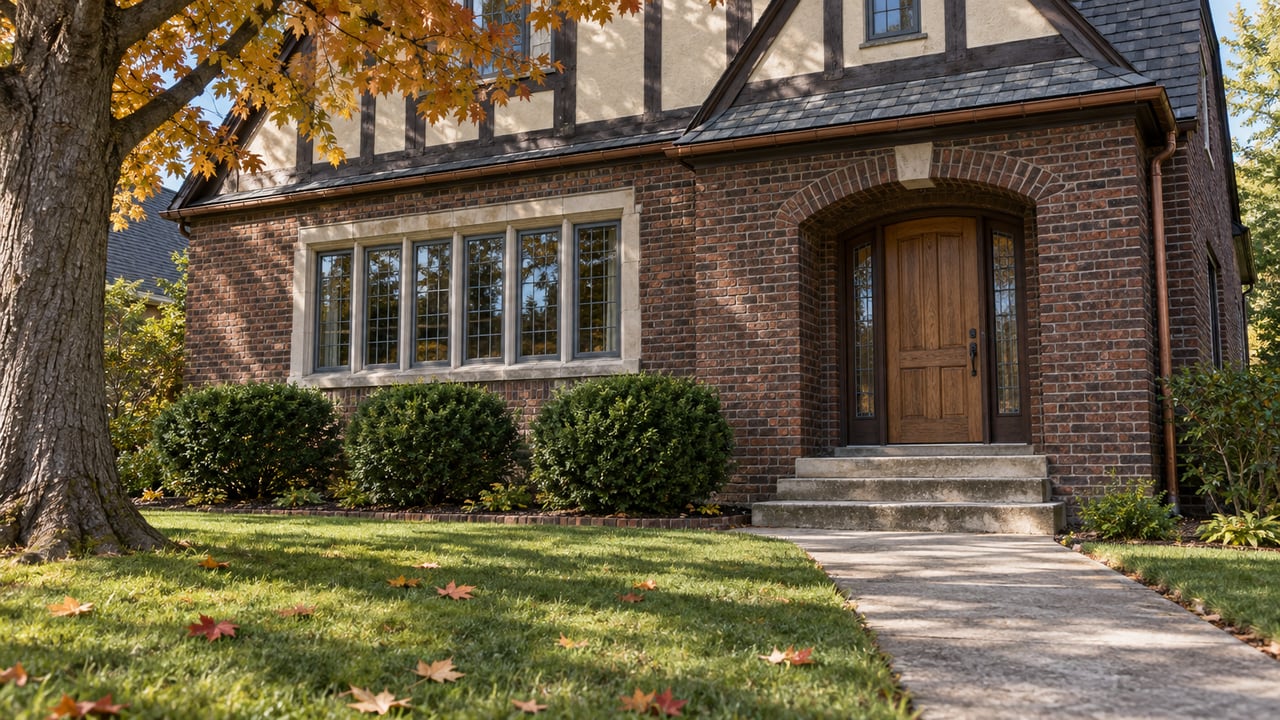
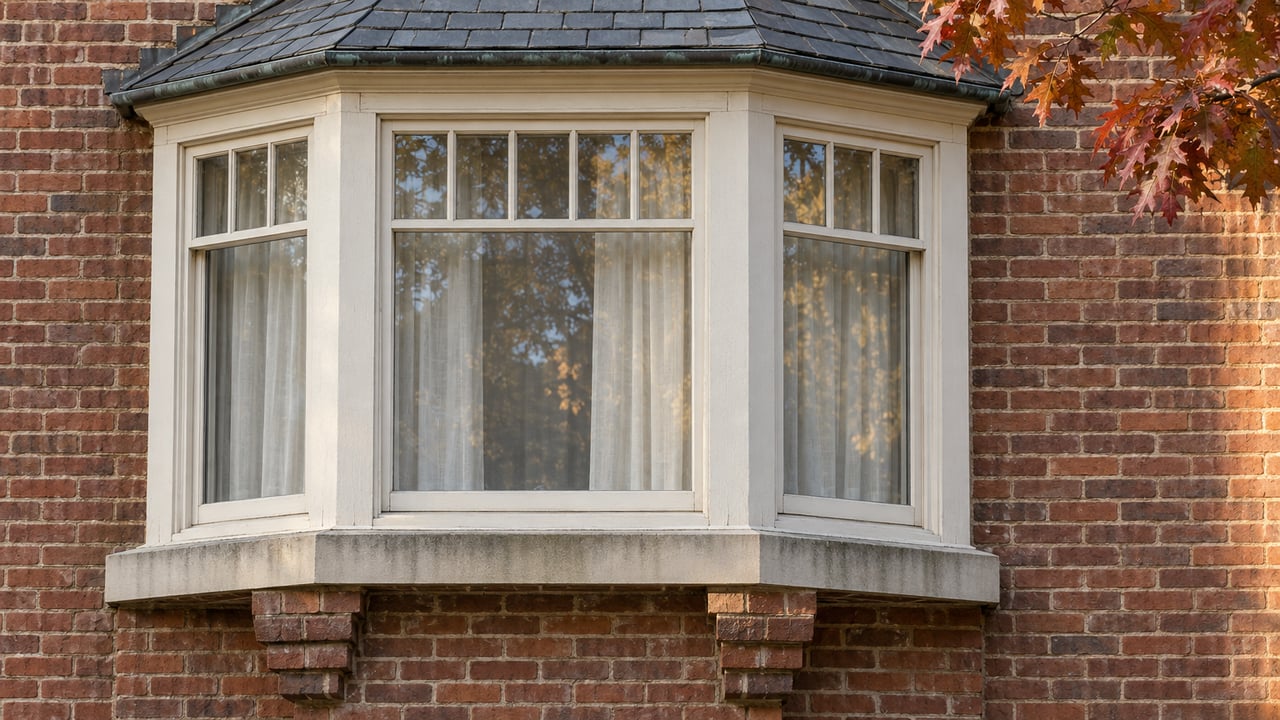
Delaware Park is part of the Olmsted Park System and features a significant inventory of late-19th and early-20th-century homes. Many properties have distinctive architecture, larger lots, and mature landscaping. Condition, modernization, and any historic preservation factors can strongly influence your value.
Demand is also shaped by access to outdoor space and proximity to cultural institutions, universities, and hospital systems. Broader market forces matter too, including inventory levels and interest rates. In this neighborhood, accurate pricing depends on true comparable sales from Delaware Park and the blocks right around it.
Why assessed and market values differ
Timing matters. Assessments are updated on a cycle, while market prices shift month to month. That gap creates differences.
Methodology matters too. Assessors use mass appraisal models that smooth out individual property features. Unique historic details, renovations, or deferred maintenance may not show up in an assessment right away.
Exemptions and classification also play a role. Your taxable value can diverge from both the assessed and market values depending on your exemptions.
What this means for sellers
- Price with market data. Set your list price using a Comparative Market Analysis or a professional appraisal, not the assessed value.
- Share tax details early. Provide recent tax bills, the current assessed and taxable values, and a list of active exemptions.
- Consider an appeal if needed. If your assessed value is well above market, you can file an assessment grievance. Appeals usually affect future tax bills rather than today’s sale price.
What this means for buyers
- Verify the numbers. Review the current assessed value, taxable assessed value after exemptions, and the most recent tax bills to understand ongoing costs.
- Plan for changes. After purchase, exemptions like STAR may require reapplication. Your taxes can change if the exemption ends or the property is reassessed.
- Use local comps. Historic streets can vary block by block. Ask for a Delaware Park–specific CMA to gauge true market value.
Estimating market value from assessed value
If assessments are not at full market, you can use Erie County’s equalization information to relate assessed value to an estimate of full value. For a clear read, contact the City of Buffalo Assessor about the current assessment ratio and methods.
Remember that this is only a rough conversion. A CMA or appraisal provides a current market opinion based on actual Delaware Park comparables and condition.
How to appeal an assessment
- Review the roll. Compare your assessed value to recent closed sales of similar Delaware Park homes.
- Gather evidence. Collect a recent appraisal, local comps, photos that show condition, and a list of improvements or needed repairs. Include income and expense records if it is a rental.
- File on time. Follow City of Buffalo Assessor procedures for forms and deadlines. Erie County Real Property Tax Services can provide county-level resources and guidance.
- Be prepared to present. Attend any meeting or hearing with clear comparables and documentation. If the outcome is not satisfactory, you may have options to pursue further appeal channels.
Quick checklist
- Define your goal: price a listing, set an offer, or plan your tax budget.
- Confirm assessed value, taxable value, and exemptions on the property.
- Ask the City of Buffalo Assessor whether assessments reflect full value or a fraction.
- Review Erie County equalization information if you need a conversion.
- Order a Delaware Park–specific CMA or appraisal.
- For appeals: compile comps, an appraisal, photos, and improvement records.
Whether you are selling a historic home near the park or buying your first property in the neighborhood, local context is everything. If you want a pricing strategy grounded in Delaware Park comps and a clear read on taxes and exemptions, connect with Susan Lenahan for a free home valuation and neighborhood strategy.
FAQs
What is the difference between assessed and market value in Buffalo?
- Assessed value is for property taxes, while market value is the price a buyer would pay today based on comparable sales.
How do exemptions like STAR affect my Delaware Park taxes?
- Exemptions reduce your taxable assessed value, which lowers your property tax bill; some exemptions require the new owner to reapply after closing.
Can I estimate market value from my assessed value in Erie County?
- You can use county equalization information or ask the City of Buffalo Assessor about the current assessment ratio, then verify with a CMA or appraisal.
Should I use assessed value to set my listing price in Delaware Park?
- No, set your list price using a current CMA or appraisal that reflects local comps, property condition, and neighborhood nuances.
How do I appeal a property assessment in Buffalo?
- Review the tentative assessment roll, gather evidence like comps and an appraisal, file a grievance by the deadline, and present your case per assessor instructions.