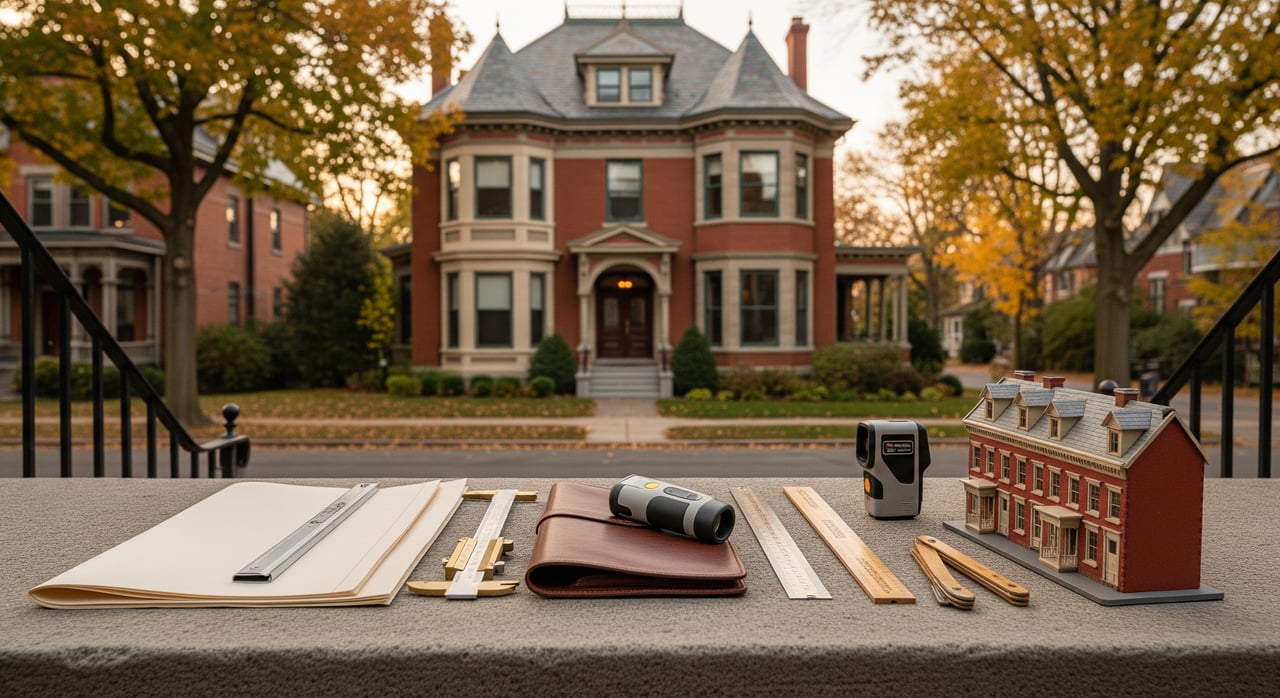
Buying a home in Elmwood Village comes with charm, history, and a few extra questions. One of the biggest is the difference between an appraisal and a home inspection. If you are trying to protect your budget and your peace of mind, understanding both is essential. In this guide, you will learn what each one does, how they fit into your timeline, and what to watch for in our neighborhood’s older homes. Let’s dive in.
Appraisal vs. inspection: what each does
What an appraisal covers
An appraisal estimates a home’s fair market value for your lender. The appraiser uses comparable sales, location, and visible condition to support the valuation. They note obvious issues that affect value or marketability, but they do not test systems or perform a deep condition review. The lender orders the appraisal during underwriting and uses the report to decide the loan amount.
What a home inspection covers
A home inspection is your due diligence on the property’s physical condition. Your inspector performs a visual, non-destructive review of the structure, roof, foundation, electrical, plumbing, HVAC, and interior and exterior components. The report includes photos, safety items, material defects, maintenance findings, and any recommended specialty evaluations. You hire and pay the inspector, and the inspection takes place during your contingency window soon after the contract is signed.
Key differences at a glance
- Purpose: Appraisal protects the lender on value, inspection protects you on condition and safety.
- Depth: Appraisal is valuation-focused with limited condition notes, inspection is condition-focused with detailed observations.
- Outcomes: Low appraisal can affect loan approval or price negotiations, inspection findings give you options to request repairs, seek credits, or cancel per your contract.
Elmwood Village homes: what to expect
Wiring and electrical
Many Elmwood Village homes were built in the late 1800s to early 1900s, so knob-and-tube wiring may still be present. An inspection will flag exposed conductors, lack of grounding, or deteriorated insulation and recommend a licensed electrician. Appraisers may comment on obsolete wiring if visible and consider how it affects value or marketability. Some lenders and insurers hesitate with knob-and-tube, so plan to ask about insurance early.
Plaster and walls
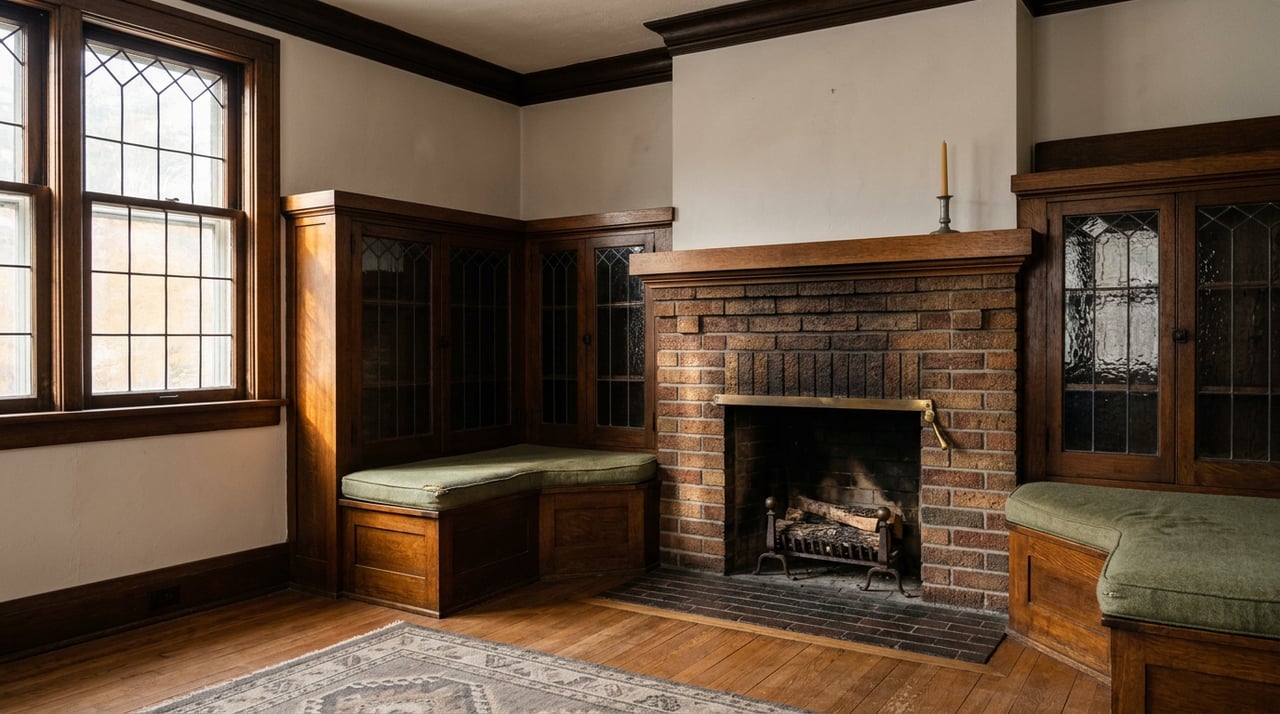
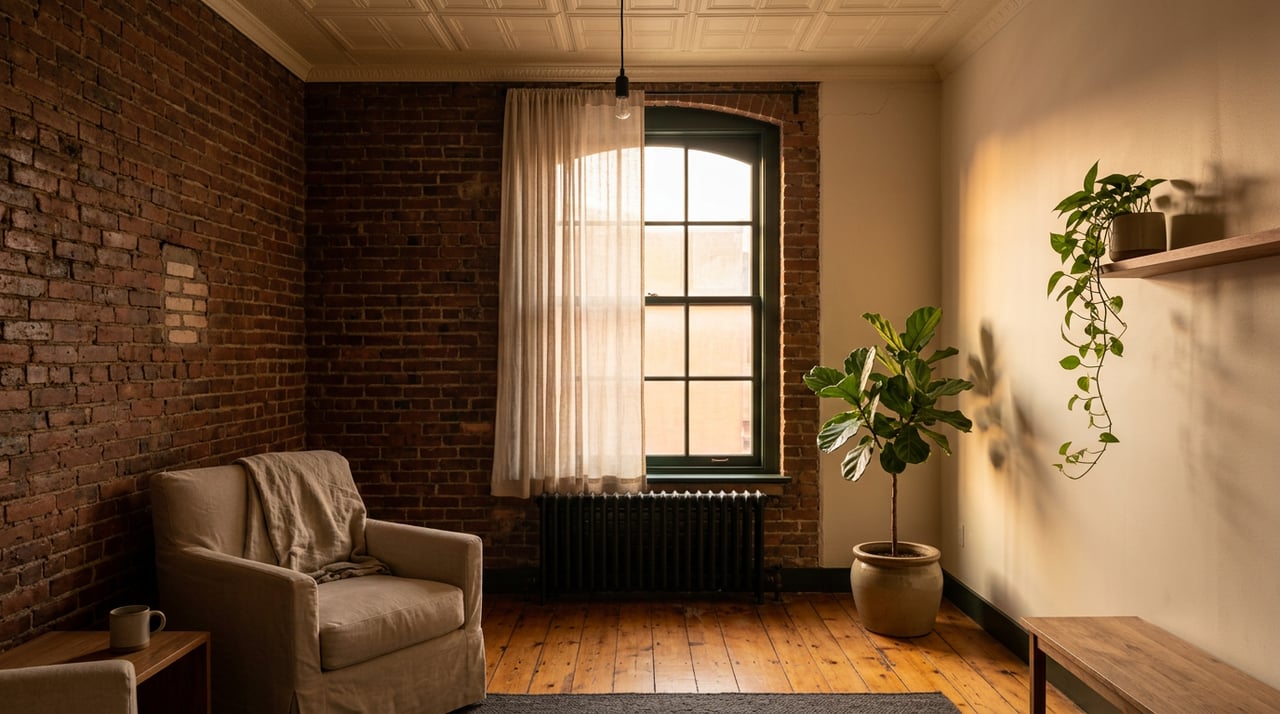
Original plaster over lath is common and can be a historic asset when well maintained. Inspectors look for cracks, delamination, and moisture staining and may suggest further evaluation for movement or water issues. Appraisers weigh overall condition, potential repair costs, and market expectations. Plaster repair can be pricier than drywall, which can influence negotiations.
Slate roofs and chimneys
Slate roofs are a signature feature across the neighborhood. Inspectors assess tile condition, flashing, and remaining life and may recommend a roofing specialist. A sound slate roof can help preserve value, while a failing one can reduce value due to high replacement costs. Lenders and insurers sometimes factor roof condition into decisions, so documentation of good condition can help.
Plumbing and sewer lines
Older galvanized or cast iron plumbing can corrode or restrict flow. Inspectors note materials and performance and often recommend a sewer scope in older urban homes. Appraisers consider visible issues that affect marketability and value. If drains are slow or backups are reported, a sewer scope is a smart next step.
Lead paint and asbestos
In pre-1978 homes, inspectors often note the likely presence of lead-based paint and advise testing, especially if you plan renovations. Suspected asbestos in insulation or floor tiles requires a specialist assessment. Appraisers may comment on visible health and safety hazards, though these issues only shift value when remediation is significant or affects insurability or occupancy.
Foundations and basements
Stone or brick foundations can show mortar deterioration, horizontal cracks, or water intrusion. Inspectors check for structural concerns and may refer a structural engineer. Appraisers factor significant foundation issues into value and loan risk. Severe problems can trigger price adjustments or lender conditions.
Historic district considerations
Parts of Elmwood Village fall under historic preservation rules. Inspectors will note original elements but do not enforce regulations. Appraisers consider how historic designation affects marketability, including buyer demand for preserved features and the impact of renovation restrictions. Check guidelines with the City of Buffalo and the Buffalo Preservation Board before planning exterior changes.
Timing and order: how to schedule both
A simple timeline
- Contract signed. Submit your loan application.
- Schedule your general home inspection immediately to leave room for specialist follow-ups.
- Complete specialty evaluations if needed, such as electrical, slate roofing, or a sewer scope.
- Negotiate repairs or credits before the inspection contingency deadline.
- Your lender orders the appraisal during underwriting. Provide access and information on upgrades and permits where allowed.
- Address any appraisal gap if the value is below the contract price, or proceed to closing if it meets or exceeds the price.
How findings affect your loan and insurance
When the appraisal comes in low
You have options if the appraised value is below the contract price. You can renegotiate the price, cover a gap with cash, request a seller credit, or cancel if your contingency allows. You can also pursue a reconsideration with additional comparable sales or corrections when permitted by the lender.
FHA and VA property conditions
For FHA and VA loans, the appraiser may cite property conditions that must be remedied before funding. Items tied to safety, health, or structural integrity can become conditions to close. Work with your lender and agent to understand required repairs and timelines.
Insurance challenges and fixes
Insurers may decline coverage or charge higher premiums for knob-and-tube wiring, very old roofs, or other higher-risk features. Since a valid insurance binder is usually required to close, start quotes early if older systems are present. If upgrades are recommended, get estimates so you can negotiate repairs or credits.
Negotiation strategies in a competitive market
Smart repair requests
Focus on safety, functionality, and significant defects rather than cosmetic issues. In Elmwood Village, that often means electrical hazards, active leaks, structural concerns, or sewer defects. Clear, prioritized requests supported by specialist estimates tend to get better results.
Credits vs. repairs
Seller credits or price reductions can be more practical than repairs, especially with specialized work like slate roofing or electrical upgrades. Credits let you choose your contractors and control quality and timing. Your agent can help estimate realistic costs so your ask matches the scope.
When to walk away
If inspections uncover major issues outside your risk tolerance or budget, your contingency may allow you to cancel. Use findings to make a reasoned decision, not a rushed one. In a vibrant market, stepping back can be smarter than taking on unplanned risk.
Recommended inspections for Elmwood Village
Must-have inspection
- General home inspection covering roof, exterior, structure, foundation, basement, plumbing, electrical, HVAC, and interior components.
Common specialty inspections
- Licensed electrician evaluation for knob-and-tube or suspected overloaded panels.
- Roofing specialist for slate condition and remaining life.
- Sewer scope for older cast iron or clay lines.
- Lead paint risk assessment for pre-1978 homes if renovations are planned or children will occupy the home.
- Asbestos assessment for suspect materials if renovations are planned.
- Chimney or masonry inspection to check structure and water intrusion.
- Structural engineer review if significant movement or foundation issues are flagged.
Red flags worth a pause
- Visible knob-and-tube wiring or DIY electrical work.
- Failing or very old roofing, especially with multiple interior leak stains.
- Active water intrusion, chronic dampness, or bowed foundation walls.
- Large unpermitted renovations or structural changes; verify permits with the City of Buffalo.
- Sewer backups or very slow drains.
- Strong mold odors or extensive visible mold growth.
Buyer checklist
- Schedule your general inspection as soon as the contract is signed.
- Ask your inspector to prioritize wiring, slate roof condition, plumbing materials, and moisture issues.
- Order a sewer scope for older homes or slow drains.
- If knob-and-tube or major defects are present, get specialist quotes and start insurance inquiries early.
- Coordinate appraisal access with your agent and provide information on recent comparable sales and permitted upgrades where allowed.
- Use your inspection window to negotiate repairs or credits with clear documentation.
Work with a local guide
Older homes reward careful planning and a steady hand. With the right sequence, clear expectations, and a strong team, you can protect your budget and enjoy the character that makes Elmwood Village special. If you want a local strategy for inspections, appraisals, and negotiation, reach out to Susan Lenahan for neighborhood-focused guidance from contract to close.
FAQs
Who orders the appraisal vs. the inspection in Elmwood Village?
- The lender orders the appraisal for underwriting, and you hire and pay the home inspector during your contingency period.
How long do appraisal and inspection each take?
- Timelines vary by provider and market conditions, so schedule the inspection immediately after contract and ask your lender about current appraisal timing.
Does a serious inspection issue lower the appraised value automatically?
- Not automatically; the appraiser considers marketability and value, and your agent can submit inspection findings for reconsideration when appropriate.
Can you finance or insure a home with knob-and-tube wiring?
- It depends on lender and insurer policies; some will hesitate or require upgrades, so seek quotes and guidance early in the process.
What inspections are most important for older Elmwood Village homes?
- Start with a general home inspection, then consider an electrician review, slate roof specialist, sewer scope, and environmental testing if conditions or renovations warrant.
How should you handle repair requests in a competitive market?
- Prioritize safety and major defects, use specialist estimates, and consider credits or price reductions when repairs are complex or time-sensitive.