Ask what a house costs in Starin Central right now and you'll get three answers, and none of them are wrong.
One data source says the typical home here is worth $318,973, up 21.3% over the past year. Another says the average sale price last month was $227,000, down 5.6% from a year ago. A third, tracking only the neighborhood's vintage homes, puts the median listing at $307,000. Same fourteen blocks. Same month. Three numbers that don't agree on whether this market is up, down, or somewhere in between.
If you're comparing Starin Central to Elmwood Village or Parkside on a portal right now, you've probably already run into this. The instinct is to assume one number is stale or one source made a mistake. Neither is true. What's actually happening is more useful to understand than either number on its own, because it changes how you should read every listing in this neighborhood from here on out.
Three Numbers, One Fourteen-Block Pocket
Each of those figures is measuring something different, and the differences matter more here than they would almost anywhere else in Buffalo.
The $318,973 figure is a smoothed, seasonally adjusted index built from estimated values across the whole neighborhood, updated monthly whether or not many homes actually changed hands. It's designed to track direction over time, not to describe last month's actual closings.
The $227,000 figure is a raw average of whatever handful of homes closed recently, in a market where only a handful of homes close in any given month. Starin Central had just 4 homes sell in the most recent month on record, according to one portal's tracking. Four sales is a small enough sample that one estate sale, one fixer-upper, or one especially large or small property can swing the average by tens of thousands of dollars in either direction.
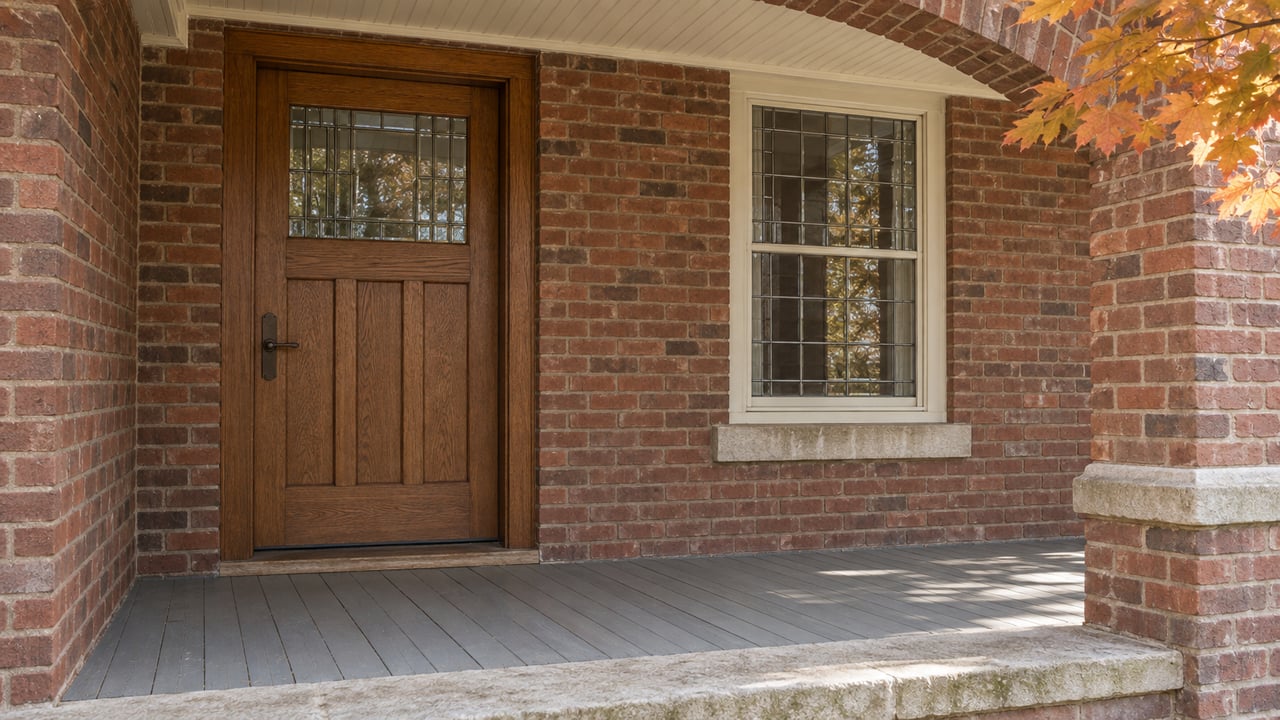
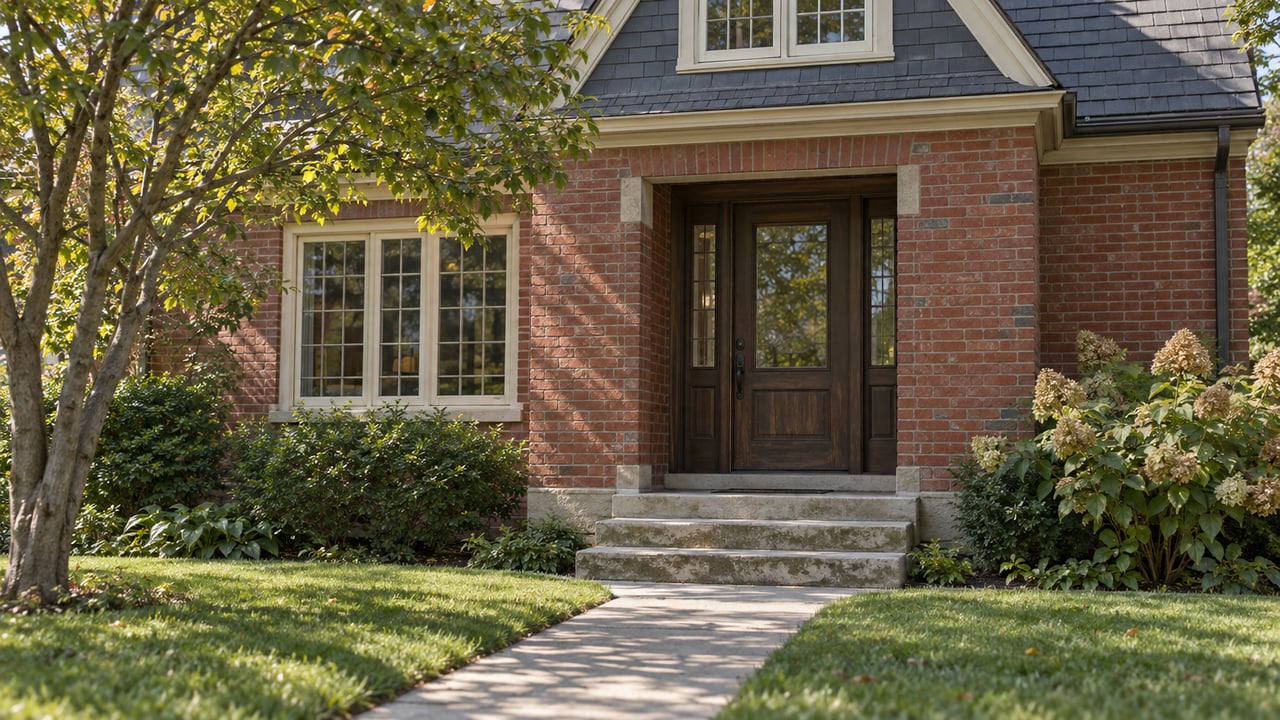
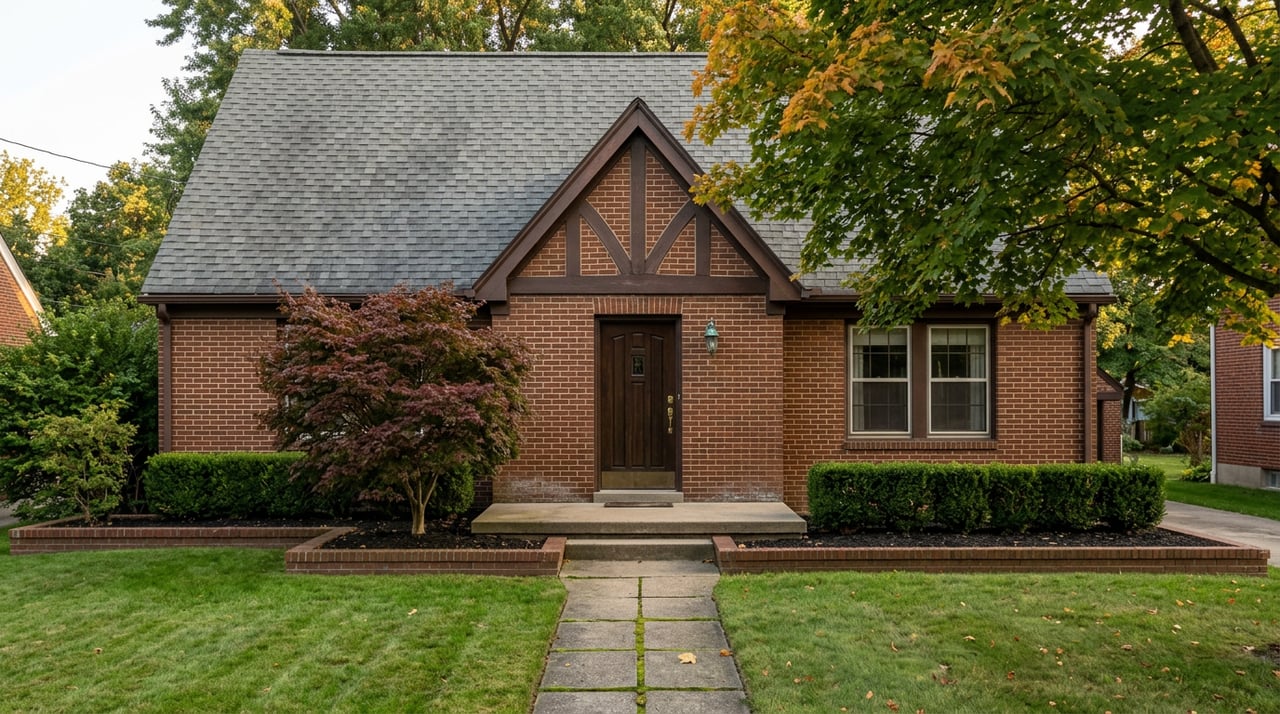
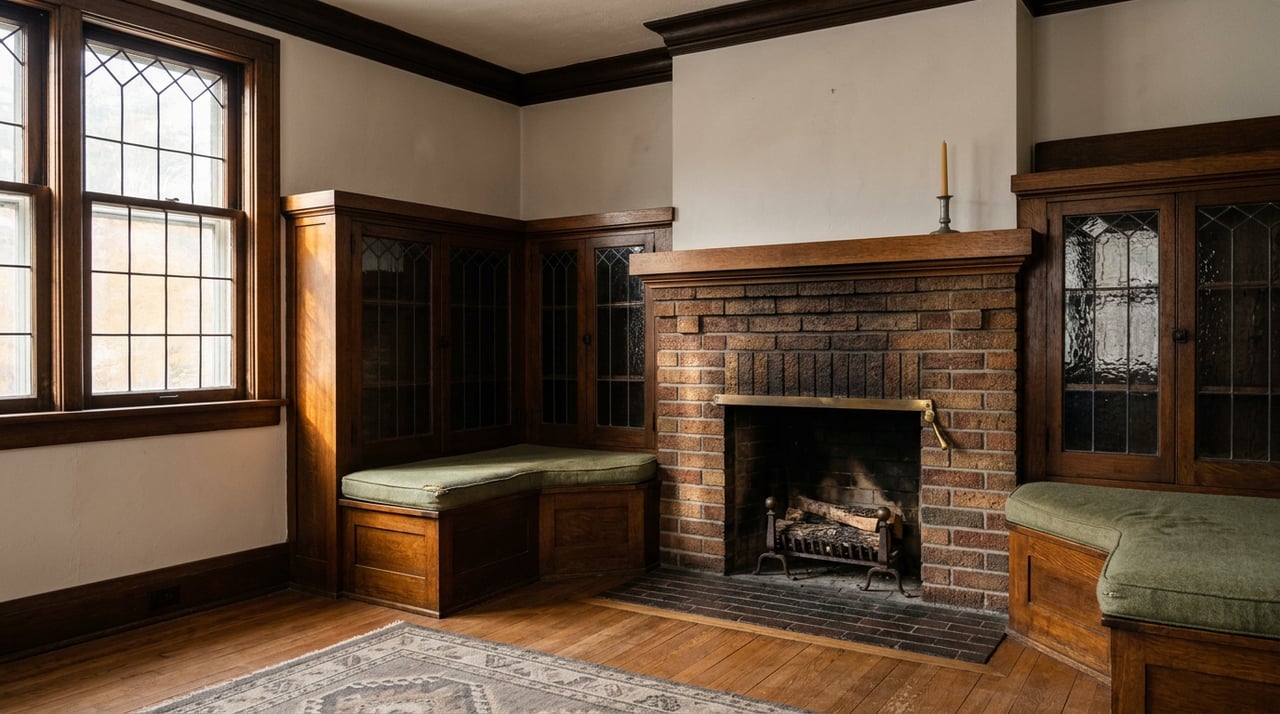
The $307,000 figure covers only the neighborhood's vintage stock, the Tudor-style singles, Craftsman homes, and roomy colonials that give Starin Central its character, at a moment when only 4 such homes were listed for sale.
None of these numbers is describing a lie. They're describing three different slices of a market too small to have just one price.
| Number | What it actually measures | Why it moves the way it does |
|---|---|---|
| $318,973 (+21.3% YoY) | Smoothed value index across the whole neighborhood | Updates on estimates, not just closed sales |
| $227,000 (-5.6% YoY) | Raw average of recent closed sales | Swings hard with only a few sales per month |
| $307,000 median listing | Vintage single-family homes only | Reflects a narrow, older-housing segment |
Why Fourteen Blocks Can't Support One Price
Starin Central runs roughly from Hertel Avenue on the north down to Amherst Street, with Starin Avenue as its spine and Tacoma and Berkshire Avenues among its prettiest side streets, the kind lined with maples that turn every fall. It's a small pocket of North Buffalo, and the block clubs that keep it running, the Union, Tacoma, and Berkshire associations, coordinate cleanups and plant swaps for a resident base that numbers in the low thousands, not the tens of thousands.
That small size is exactly why the numbers scatter. A neighborhood this compact doesn't have one buyer pool, it has two that rarely bid on the same houses.
- Near Hertel Avenue and closer to the University at Buffalo's South Campus, a mile away, demand skews toward investors and landlords buying Buffalo doubles and small multifamily buildings for the rental market that faculty, staff, and students create.
- Deeper into the neighborhood, along Starin, Tacoma, and Berkshire, demand skews toward owner-occupant families drawn to the wide porches, hardwood floors, and generous yards that come standard in homes built in the early to mid-1900s.
A rental-oriented duplex near Hertel and an owner-occupied Craftsman on Tacoma Avenue are technically in the same neighborhood comp set. They are not competing for the same buyer, and they don't move at the same pace or price. Blend them into one average and you get exactly the kind of number that swings 27 points in a single year depending on which four houses happened to sell.
What the Bigger Picture Actually Confirms
Zoom out to the metro level and the volatility disappears, which is itself the tell. The Federal Reserve's regional house price index for the Buffalo-Cheektowaga metro area, built from thousands of transactions a quarter rather than a handful a month, moves in single digits year over year. That stability isn't because the broader Buffalo market is calmer than Starin Central. It's because a large enough sample averages out the individual sale that can swing a small one.
This is the piece that gets lost when you're staring at a single portal number. Starin Central isn't more volatile than Buffalo because something is wrong with the neighborhood. It's more volatile because it's small, and small samples are noisy by nature. That's not a red flag. It's math.
Reading a Listing Here Without Anchoring to the Wrong Number
If you're actively comparing Starin Central to Elmwood Village or Parkside, here's what actually matters more than any single headline figure.
First, ask what you're comparing. A vintage single-family home should be measured against the $307,000 median for that specific segment, not the blended neighborhood average. If you're eyeing a two-family property near Hertel, the relevant comps are other small multifamily buildings, not owner-occupied Craftsman homes three blocks away.
Second, expect competition and move accordingly. Recent data put this market's competitiveness score at 83 out of 100, with typical homes selling about 7% above list price in around 15 days, and hot homes going for roughly 19% over list in about 9 days. A well-priced, well-maintained home on Tacoma or Berkshire in good condition can draw multiple offers fast. That's a different negotiating posture than the average number alone suggests.
Third, price often runs lower here than in Elmwood Village or Parkside for comparable square footage, which is part of why relocators land here after touring those neighborhoods first. That gap is real, but it's a gap between neighborhoods, not a reason to assume Starin Central itself has one settled price.
Fourth, factor in the age of the housing stock. Most homes here date from the early to mid-1900s, so a pre-offer conversation about roof age, updated electrical, and heating systems belongs in every negotiation regardless of which headline number drew you to the listing.
A Few Questions Worth Asking Before You Write an Offer
Which number should I actually trust when I'm pricing an offer? None of them alone. Ask your agent to pull recent closed sales for homes genuinely comparable to the one you're considering, on a similar block, in similar condition, built in a similar era. The neighborhood-wide index and average are useful for spotting direction, not for pricing a specific house.
Does a 21% index gain mean prices actually jumped that much? Not necessarily. It reflects an estimated, smoothed trend across the whole neighborhood. A specific home's value depends on its condition, its street, and who else is bidding on it, not on the index alone.
Why do hot homes here sell so much faster than the reported average? Because the "average" blends fast-moving, well-priced homes with slower-moving ones needing work, in a market too small to separate the two cleanly. The 9-day, 19%-over-list pace applies to homes that show well and are priced right from day one.
The Takeaway
Starin Central's price story isn't confusing because something is broken. It's confusing because fourteen blocks and a handful of monthly sales will never behave like a market with thousands of transactions to average out. The three numbers floating around this neighborhood right now aren't contradictions. They're three honest measurements of a market too small to have just one price, and the buyer who understands that walks into a negotiation with a real advantage over the one still staring at a single portal figure.
If you're comparing Starin Central to Elmwood Village, Parkside, or anywhere else in Buffalo and want someone to walk the actual comps with you, block by block, Susan Lenahan has spent decades reading these neighborhoods past the headline number. Reach out for a free home valuation and neighborhood strategy built around the house you're actually looking at, not the average.