As of May 2026, the median sale price for a home in Elmwood Village reached $448,599, up 14.1% over the previous year. That number alone suggests a neighborhood accelerating on every front. But the most recent monthly closing snapshot available, from December 2025, tells a quieter story about pace: homes that month took an average of 28 days to sell, nearly double the 15 days recorded in December 2024, even as the number of closed sales rose from 56 to 64.
Elmwood Village isn't moving faster or slower than it used to. It's moving at two different speeds at once, and the median hides which one applies to any specific address on any specific block.
Two Markets Under One Zip Code
The same data that produces that headline median also breaks out a second set of figures, and this is where the real story sits. Homes that Redfin's own market data flags as "hot" are going pending in about 7 to 10 days, often at 5% to 13% above list price, frequently with multiple offers and waived contingencies. The broader pool of closed sales, meanwhile, is averaging about 30 days on market and closing at roughly 1% under list price.
Then there's the luxury tier. Seven luxury listings carrying a median price of $394,000 are sitting an average of 40 days and drawing about one offer each. That's a useful detail, because it means the split isn't simply about price bracket. A $394,000 house with original systems and a deferred punch list can sit through an entire month while a smaller, already-renovated home nearby closes in a week with multiple bids. The variable doing the work here is condition, not cost.
That's also the mechanism behind the seemingly conflicting headline numbers. When a cluster of already-renovated homes closes fast and above ask, those sales pull the median upward. Homes still carrying deferred work sit longer before they finally close, usually at a discount, and by the time they're counted, they're dragging the average days-on-market figure up alongside them. Rising price and lengthening time on market aren't contradicting each other. They're two readings taken from opposite ends of the same split inventory.
What the Listings Already Tell You
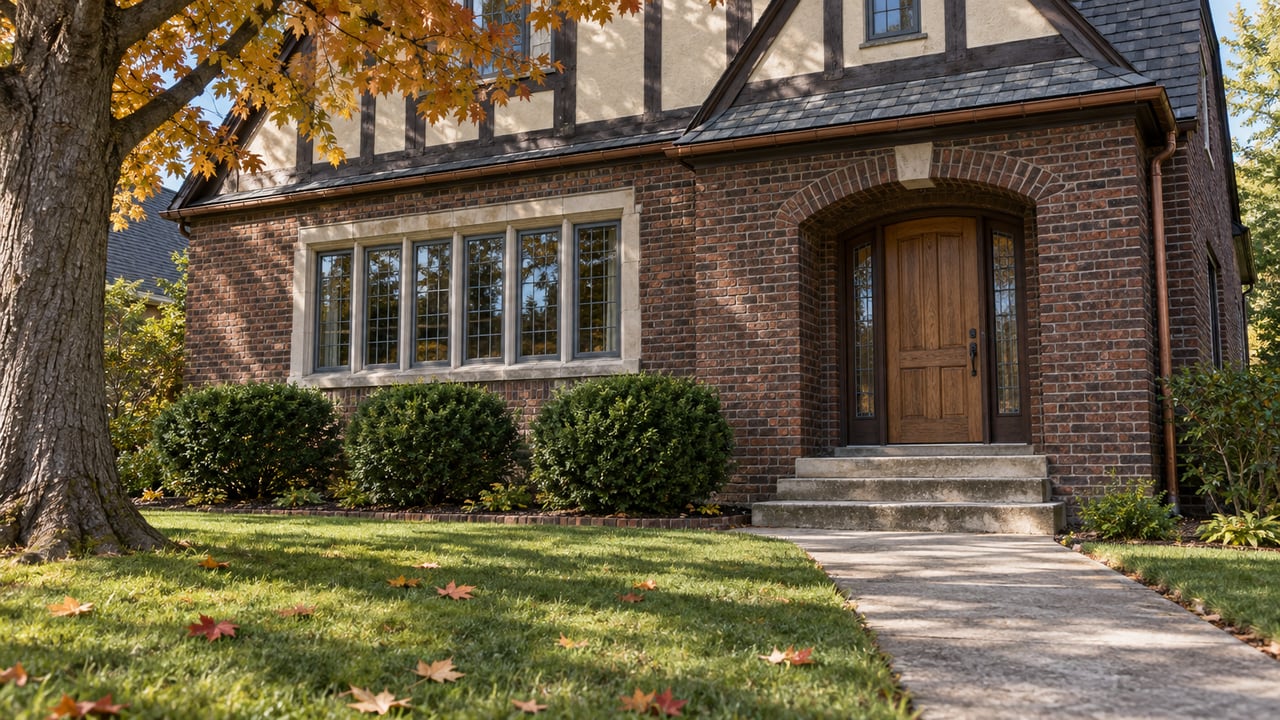
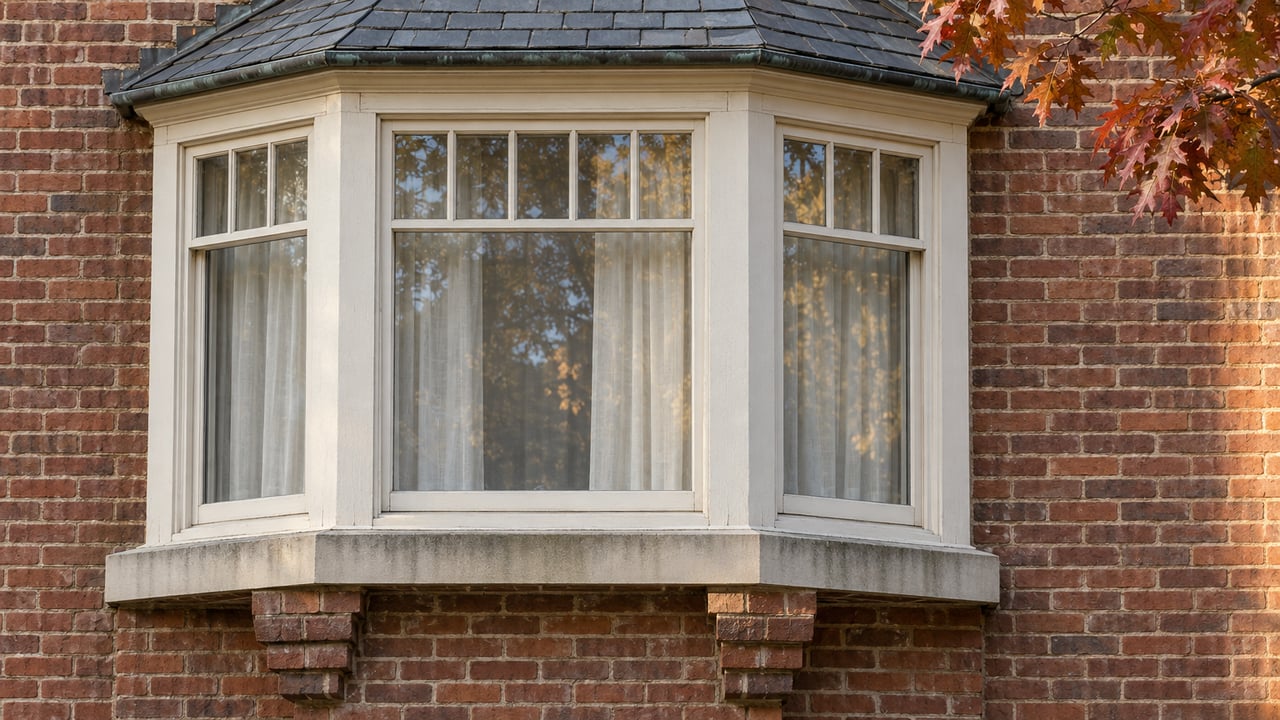
Scroll through what's currently active in Elmwood Village and the split shows up in the copy before it shows up in any spreadsheet. Some homes are marketed around what's already finished: a fully renovated kitchen with high-end cabinetry, refinished original woodwork, restored leaded glass, a solarium off the dining room. Others are pitched candidly as projects, places described as needing love and priced accordingly, or a double with great bones that will need updates and repairs.
Both categories are active in the same nine or ten blocks right now. In recent months, multi-family properties and doubles have made up a large share of what's for sale in Elmwood Village alongside single-family houses, condos and townhouses. That built form matters here. Older doubles and multi-family conversions are more likely to carry maintenance that's gone unaddressed for a while rather than a single obvious flaw, which helps explain why more of them cluster on the slower, under-list side of the split, while single-family homes that have already been through a full renovation tend to be the ones moving in days rather than weeks.
The Split, By the Numbers
| Segment | Reported Timing | Price vs. List | Typical Offer Activity |
|---|---|---|---|
| "Hot" turnkey homes | 7 to 10 days to pending | 5% to 13% over list | Multiple offers, some with waived contingencies |
| Average closed sale | About 30 days on market | About 1% under list | Typically one offer |
| Luxury listings (median $394K) | About 40 days on market | Not trading at a premium | About one offer |
What This Means If You're Touring This Fall
The neighborhood's overall median is a poor guide for what any single house will do, because it's an average of two behaviors that don't resemble each other. Before writing an offer, it's worth asking which lane a specific listing sits in. A home priced at or below the neighborhood median but marketed as needing work isn't automatically undervalued. It may be priced accurately for its condition and could still take a month to sell, even with more buyers circling it than a turnkey listing would draw. A home priced above the median but already renovated can move the opposite direction, drawing competing offers within the first weekend it's shown.
For buyers open to taking on a fixer, especially among the multi-family and double inventory, the slower lane currently comes with real negotiating room: the roughly 1% under-list average, plus fewer competing offers to contend with. That patience has a payoff attached to it right now.
What This Means If You're Listing This Fall
Pricing and preparation decide which lane a listing lands in far more than the neighborhood's overall trend line does. A dated kitchen or an unaddressed repair list keeps a home in the 30-day, under-list bucket no matter what the spring median implied it might fetch. Coordinating cosmetic work, staging and a pre-listing walk-through before the sign goes in the yard is often what moves a listing from the average lane into the hot one, and that groundwork typically takes weeks rather than months when it's planned ahead of the listing date rather than reacted to after a slow first few showings.
Common Questions
Does the longer average time on market mean prices are softening in Elmwood Village? Not based on the current data. The December 2025 figures show the median price essentially flat year over year while the day count rose, which points to a shift in which homes were closing that month rather than a drop in what buyers are willing to pay for comparable properties.
Should I expect to negotiate below asking price? It depends entirely on the home. Move-in ready listings are currently selling above list in a matter of days. Homes marketed as needing work are the ones averaging under list price and a longer clock, and that gap is unlikely to close until the work does.
How can I tell which lane a listing is in before I tour it? Read the condition language in the listing itself before the price. Recently renovated kitchens, refinished original woodwork and updated systems tend to signal the fast lane. Listings that flag needed repairs, deferred maintenance or renovation potential tend to signal the slower one, regardless of what the asking price says.
The fastest way to know which lane your target home, or your own listing, belongs in is to look at it the way buyers currently touring Elmwood Village are looking at everything: not by price alone, but by what's already been done to the house.
If you're trying to figure out which side of this split your Elmwood Village home falls on, or want a straight read on what a fall listing could realistically bring, reach out to Susan Lenahan for a free home valuation and a pricing strategy built around this specific market, not last year's median.