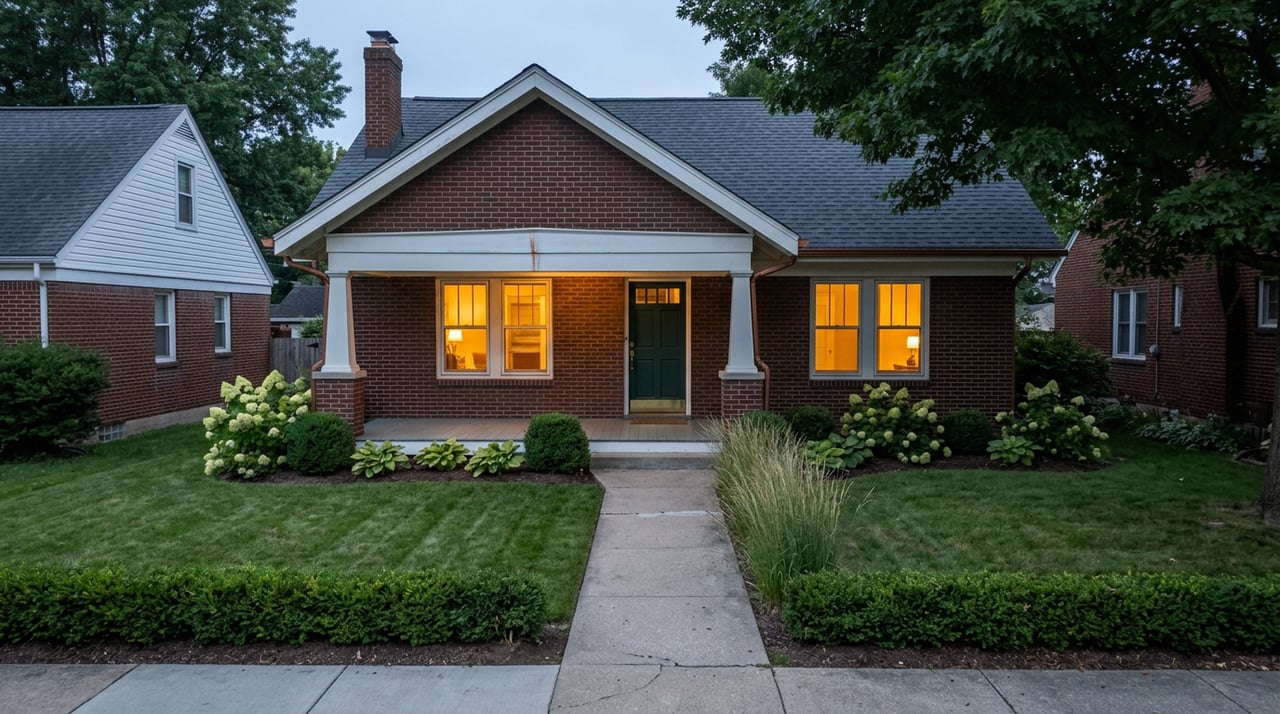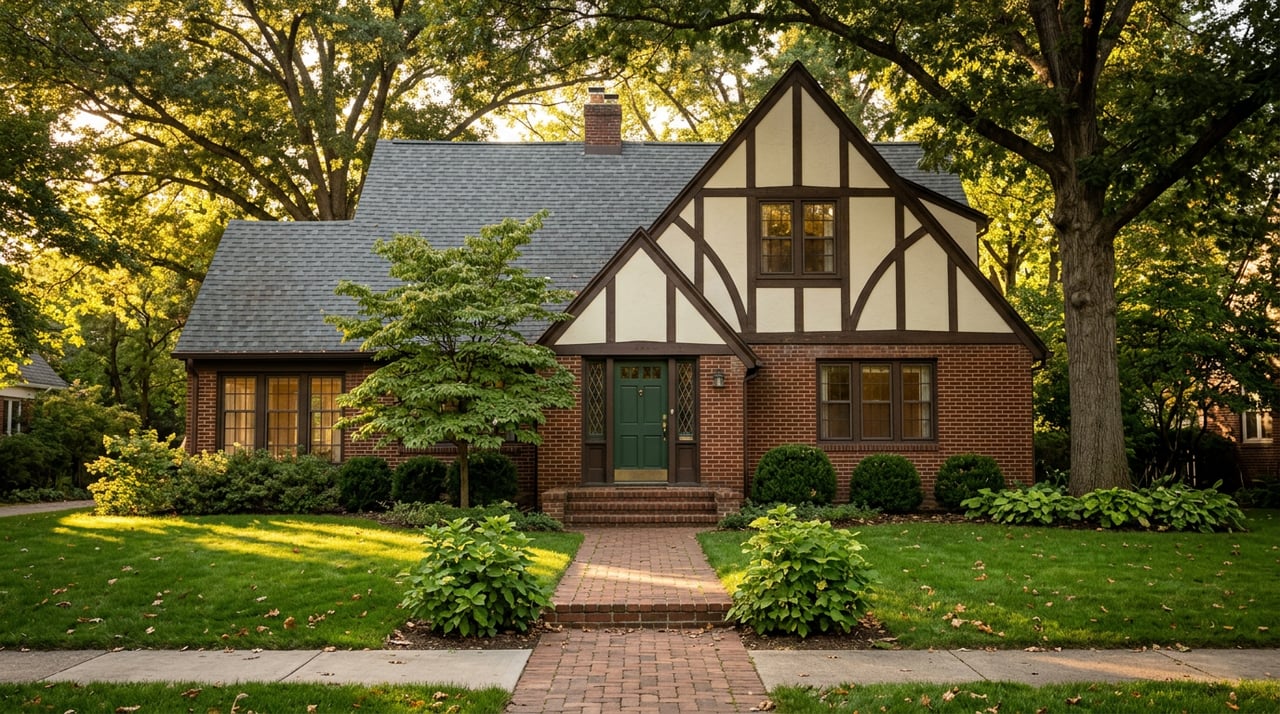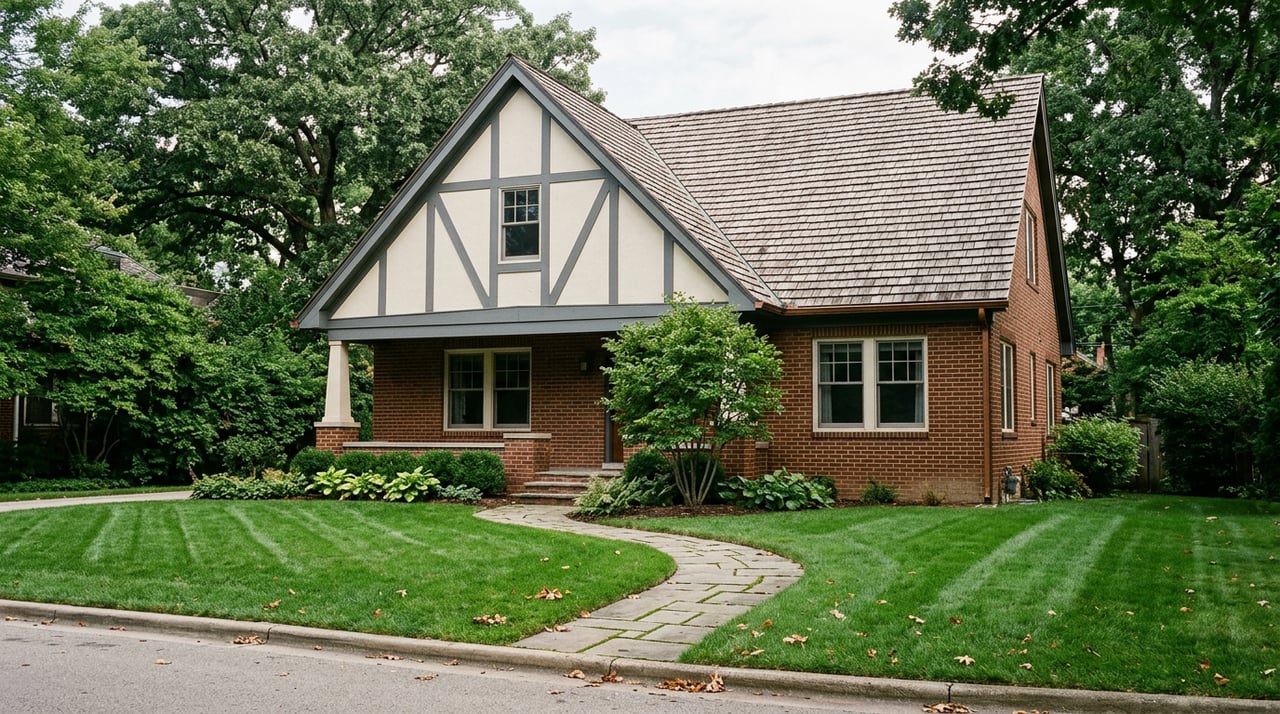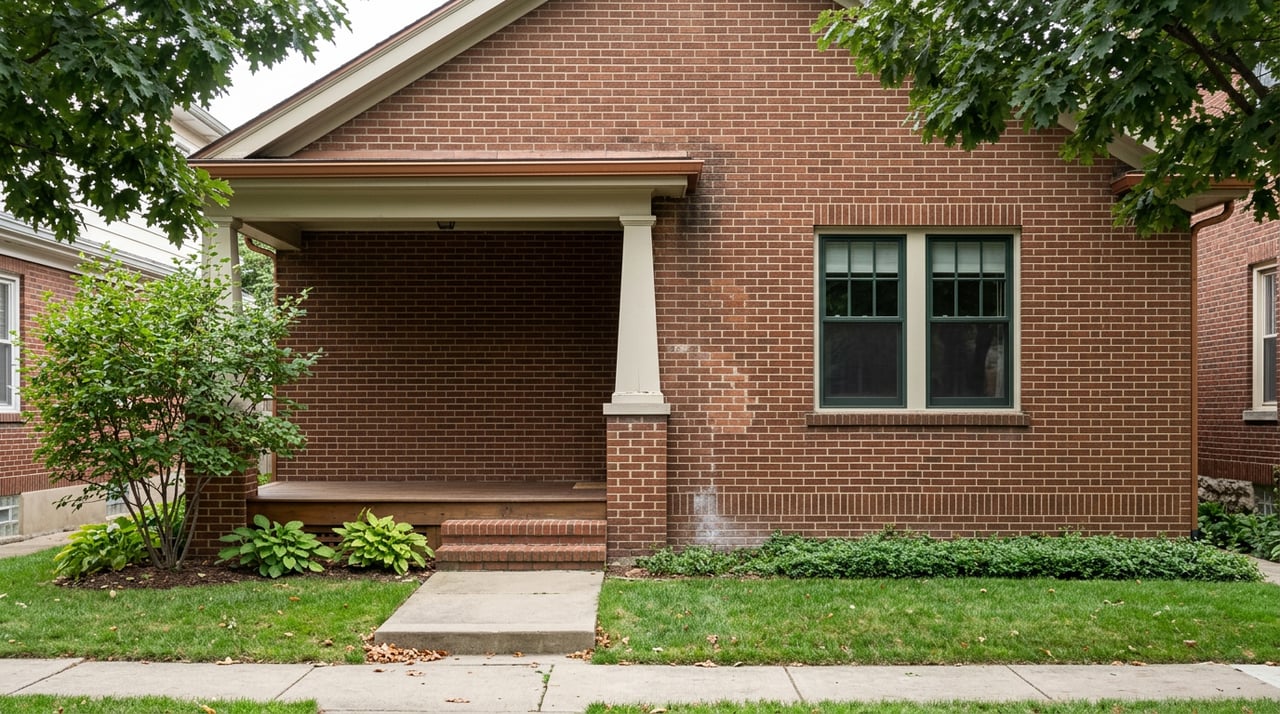
A house on Bidwell Parkway sat boarded up for years while neighbors worried it wouldn't survive. It had been listed at $450,000, then $375,000, with a chimney reportedly lost to a fire and the interior gutted down to studs. In November 2025 it finally sold for $325,000 to an entity called 192 Bidwell LLC. A stabilization permit followed within a couple of months, and by that spring a dumpster and a construction crew had shown up on site, according to Buffalo Rising's preservation coverage.
By June, the plan had a shape. Owners Maura and Charles Winkler are working with Abstract Architecture to turn the 4,822-square-foot, circa-1920 building from three units back up to five, a move that requires a zoning variance for the added density. If you're picturing a buyer who spent months waiting on the Preservation Board to approve a paint color, that's not actually what held this one up.
The Board Everyone Blames
Ask around Elmwood Bidwell about buying a historic fixer and someone will warn you about the Preservation Board, as if a committee of architecture buffs sits between you and a closed permit for months at a time. In practice, the board's own process cuts against that reputation for a lot of ordinary repair work.
The Buffalo Preservation Board reviews exterior changes to properties inside local historic districts and to individual landmarks, applying the Secretary of the Interior's Standards for historic treatment. But if the work is a repair or a replacement in kind, meaning you're matching what's already there rather than changing it, staff can often clear a complete application within two workdays. That covers a lot of what a typical rehab actually needs: replacing rotted clapboard with matching clapboard, restoring a porch column, repairing a slate roof section. None of that has to wait for a public meeting.
Where the Clock Actually Starts
The slower track only kicks in once a project stops being "repair in kind" and becomes something new. That's when a complete application has to reach the board at least nine days before the meeting where it will be heard, and the full board only meets every two weeks, with no meetings in August. A demolition application on a designated building needs even more lead time, at least 18 days, to allow for a public hearing.
| Type of work | Review path | Typical lead time |
|---|---|---|
| Repair or replacement in kind (matching materials, no design change) | Staff-level review | Decision within 2 workdays |
| Anything else affecting the exterior (new materials, altered design, additions) | Full Preservation Board review | Application due 9+ days before a biweekly meeting |
| Demolition of a designated building | Preservation Board public hearing | Materials due 18+ days ahead of the hearing |
A buyer closing this month on a house that needs new siding to match the original clapboard is looking at a two-day staff decision. A buyer closing this month who wants to add a dormer or change the footprint is looking at a wait until September, since the board doesn't meet in August at all.
The Board That's Actually Holding Up 192 Bidwell
None of the Preservation Board's timeline is what's slowing 192 Bidwell Parkway down this year. The project's real obstacle sits with a different body entirely.
The project requires a variance to allow for the increased density.
Converting three units to five isn't a materials question the Preservation Board weighs. It's a zoning question, and in Buffalo that goes to the Zoning Board of Appeals, which reviews requests for relief from the city's Unified Development Ordinance. That's a separate application, a separate hearing calendar, and a separate set of criteria focused on density, parking, and use, not historic character.
For a buyer evaluating a Bidwell property, that split matters. A house that needs cosmetic restoration might clear its historic review in days. A house you're hoping to convert into more units, or reconfigure in a way that changes its footprint, is going to need a conversation with zoning long before it needs one with preservation staff. Two different boards, two different questions, and two different reasons a closing timeline can stretch.
Two Different Kinds of Historic, Two Different Perks
There's a second distinction worth untangling before you write an offer near the parkway: local historic district status and National Register listing aren't the same thing, even though they often get talked about interchangeably.
Local designation is what triggers Preservation Board review of exterior work. National Register listing is a separate status, and it's the one that can unlock New York State's homeowner historic tax credit, worth up to 20% of eligible rehabilitation costs for owner-occupants. The city recently highlighted this gap when the McKinley Parkway Historic District, home to roughly 5,300 properties, was recommended for National Register listing, which newly opened that credit up to homeowners there.
The lesson isn't that Bidwell does or doesn't carry National Register status on any given block. It's that the two designations are worth confirming separately before you count on either one, whether you're budgeting for a rehab or explaining to a lender why a project needs board sign-off at all.
Before making an offer on a fixer near the parkway, it's worth asking:
- Is this specific address inside a locally designated historic district, on the National Register, both, or neither?
- Is the renovation you have in mind a repair in kind, or does it change materials, footprint, or unit count?
- If it's not in kind, when does the Preservation Board meet next, and does that timeline work with your closing date?
- Does the project involve any change in density or use that would need a separate zoning variance?
- Has a preservation consultant or architect who's worked with this specific board reviewed the scope before you write the offer?
What This Means If You're Looking Near Bidwell Parkway
The neighborhood's appeal, the Olmsted-designed median, the mature elm canopy, the intact early-20th-century streetscape, comes from the same rules that govern what you can change once you own a piece of it. That's a trade worth understanding upfront rather than discovering mid-renovation.
The good news for most buyers is that the process isn't as slow as its reputation suggests, as long as the scope stays close to what's already there. The friction shows up when a project reaches past repair into reinvention, whether that's an addition, a material swap, or a unit count change like the one at 192 Bidwell Parkway. That's the point where a second board, a longer calendar, and sometimes a tax credit conversation all enter at once.
If you're weighing a historic property near the parkway, it helps to walk the scope of work through both boards before you fall in love with the price. We've written before about what markets, festivals, and block-level details do to home value along Bidwell Parkway, and the approval process is the other half of that picture, the part that determines how fast your plans can actually move once you own the house.
FAQ
Does every exterior change on a house near Bidwell Parkway need Preservation Board approval? Only work visible from the street on properties inside the locally designated historic district or on individual landmarks. Interior renovations that don't touch the exterior generally fall outside the board's review.
How fast can I expect an answer if I'm just replacing a roof or matching existing trim? If staff determines the work is a repair or replacement in kind, a decision can come within two workdays. Anything that changes design or materials goes to the full board, which meets every two weeks except in August, so plan your submission at least nine days ahead of the meeting you're targeting.
Does local historic district status automatically qualify a house for the state historic tax credit? No. That credit is tied to National Register listing, which is a separate status from local historic district designation. It's worth confirming which one, or both, applies to a specific address before building it into a renovation budget.
Buying a fixer near the parkway means dealing with two boards, not one, and knowing which one you're talking to before you make an offer. If you're weighing a historic property in Elmwood Bidwell and want a read on what a specific address's designation and renovation scope actually involve, Susan Lenahan can walk through it with you and get you a free home valuation and neighborhood strategy.